check

check

check

check

check

check
In industries where flammable gases, vapors, or combustible dusts are present, safety is not just a priority—it's an absolute necessity. This is where specialized equipment, certified for use in such explosive atmospheres, becomes critical. Atex micro switches represent a fundamental component within this safety ecosystem, designed to operate reliably where standard switches would pose a significant ignition risk. These precision devices are engineered to meet the stringent requirements of the Atex directives (ATmospheres EXplosibles), a set of European Union regulations governing equipment and protective systems intended for use in potentially explosive environments.
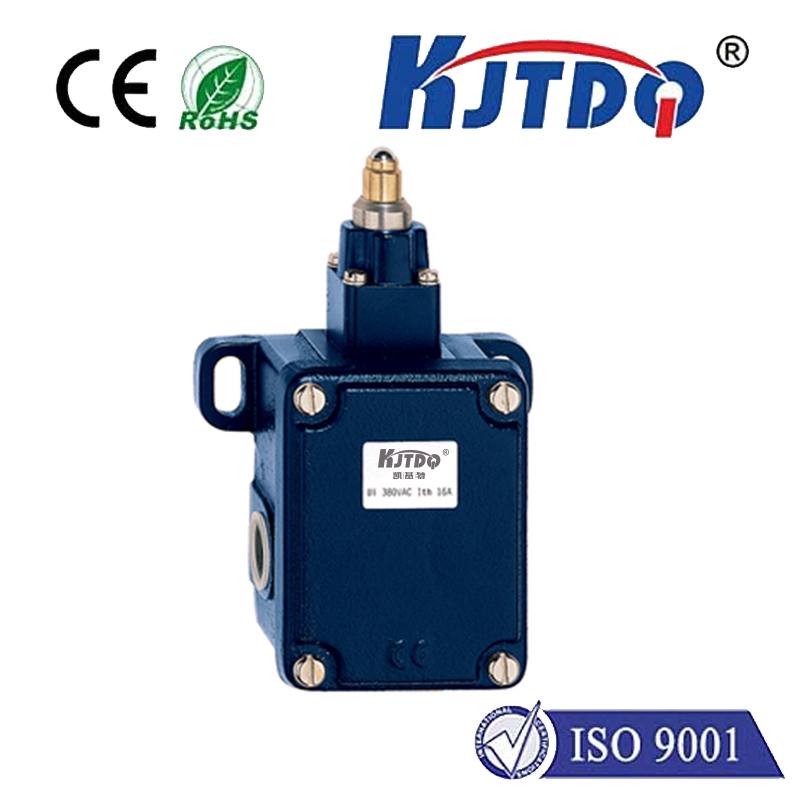
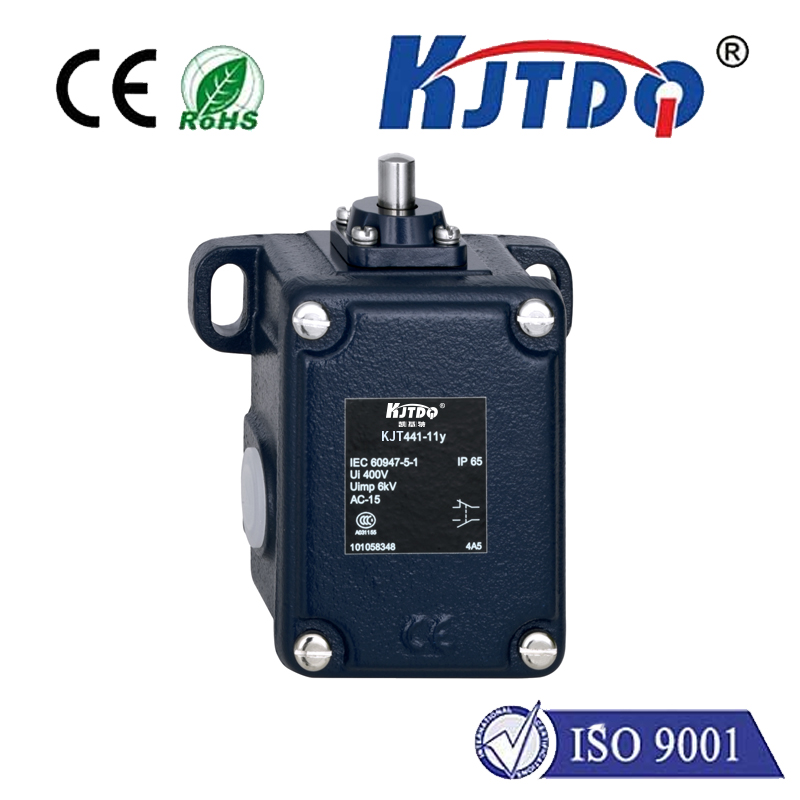
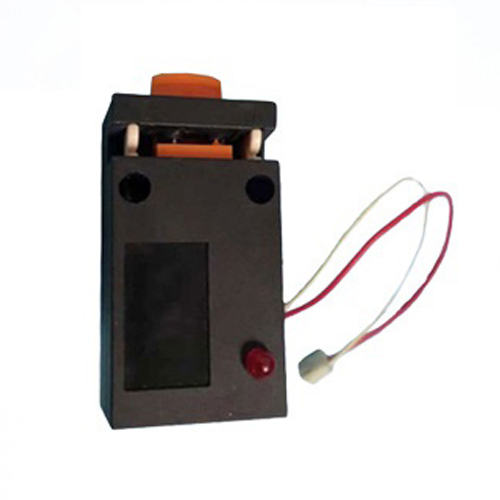
The core function of a micro switch is to provide a precise, snap-action mechanism for controlling electrical circuits. However, an Atex micro switch incorporates multiple layers of protection to prevent it from becoming a source of ignition. This involves meticulous design considerations. The housing is typically constructed from robust, corrosion-resistant materials like stainless steel or specially engineered polymers that can contain any internal spark. Sealing is paramount; advanced sealing techniques using gaskets and O-rings ensure that flammable substances cannot penetrate the switch enclosure. Furthermore, the internal components and contact design are optimized to minimize the energy of any potential arc during operation, keeping it below the level required to ignite the surrounding atmosphere.
The certification process for these switches is rigorous. They undergo extensive testing by notified bodies to verify their compliance with specific Atex categories and groups. Equipment is categorized based on the likelihood and duration of an explosive atmosphere (Zone 0, 1, 2 for gases; Zone 20, 21, 22 for dusts). Atex micro switches are manufactured to suit these specific zone requirements. For instance, a switch certified for Zone 1 (where an explosive atmosphere is likely to occur occasionally in normal operation) incorporates higher protection levels than one for Zone 2. This granular certification allows engineers to select the exact component needed for their application, ensuring both safety and cost-effectiveness.
The applications for Atex-certified micro switches are vast and span numerous high-risk sectors. In the oil and gas industry, they are integral to drilling rigs, refineries, and pipeline control systems, detecting valve positions, door status on control panels, or safety interlock positions. Chemical and pharmaceutical plants utilize them on mixing vessels, filling stations, and hazardous material storage areas. In grain silos, flour mills, or wood processing facilities, where combustible dust is a major hazard, these switches provide safe limit detection on conveyors, hoppers, and processing equipment. They are also found on marine platforms, paint spray booths, and anywhere else a tiny spark could lead to a catastrophic event.
Selecting the right Atex micro switch requires careful analysis. Beyond the crucial zone certification, factors such as electrical rating (current and voltage), mechanical life expectancy, actuator type (roller lever, plunger, leaf), and ingress protection (IP) rating against dust and water must be considered. The operating temperature range must also be compatible with the environment. Partnering with a reputable supplier who provides comprehensive documentation, including the EU Declaration of Conformity and detailed test certificates, is essential for compliance and audit trails.
Ultimately, the implementation of Atex micro switches is a testament to a proactive safety culture. They are not merely components but vital safeguards embedded within larger control and safety systems. By ensuring that even the smallest control element is inherently safe, these devices help prevent equipment failure, protect valuable assets, and, most importantly, save lives. Their reliable operation under demanding conditions provides engineers and operators with the confidence that their control systems will function correctly without compromising the integrity of the hazardous area. In the complex landscape of industrial safety, the role of the Atex micro switch, though small in size, is undeniably significant, forming a reliable and certified link in the chain of explosion protection.