check

check

check

check

check

check
In the world of electrical control and automation, managing high-current circuits demands components that are not only robust but also exceptionally reliable. The 20 amp limit switch stands as a critical guardian in these systems, a device whose importance cannot be overstated. This discussion delves into the core functionality, diverse applications, and key selection criteria for a 20 amp limit switch, highlighting why it is an indispensable component for engineers and system integrators.
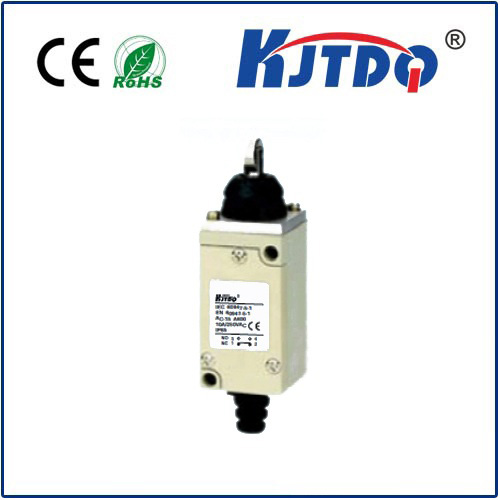
At its essence, a limit switch is an electromechanical device that detects the presence or absence of an object, or monitors the limits of travel, and converts this physical motion into an electrical control signal. When rated for 20 amps, this switch is engineered to handle substantial electrical loads directly, often eliminating the need for an intermediary relay in many applications. This capability to interrupt or control a 20-amp current makes it a workhorse in industrial environments. The fundamental mechanism typically involves an actuator—such as a lever, roller, or plunger—that, when depressed or moved by a machine part, changes the state of internal electrical contacts. This simple yet effective action provides a definitive, physical signal for control logic.
The applications for a 20 amp limit switch are vast and varied, spanning numerous industries. In industrial automation and machinery, they are routinely used as safety interlocks on machine guards, ensuring power is cut when a door is opened. They define the precise endpoints of travel for conveyor systems, robotic arms, and CNC machine tools, preventing over-travel and potential damage. Within the realm of material handling, such as in large elevators or hoists, these switches serve as critical over-travel limits. Furthermore, in HVAC systems controlling large commercial units or industrial fans, a 20 amp limit switch can directly manage compressor or fan motor circuits, providing overload protection or status feedback. Their high-current rating allows for direct control of motors, solenoids, and heaters, simplifying panel design and enhancing reliability by reducing component count.
Selecting the appropriate 20 amp limit switch requires careful consideration of several technical and environmental factors. First and foremost is the electrical rating: ensuring the switch's voltage (AC or DC) and 20-amp current rating match or exceed the load requirements is non-negotiable for safety and longevity. The type of actuator is equally crucial; a roller lever might be ideal for sensing a passing object on a conveyor, while a rugged plunger may be better suited for precise positioning in a tight space. Environmental protection, denoted by an IP (Ingress Protection) rating, is vital. Switches used in washdown areas, outdoors, or in dusty manufacturing plants require high IP ratings (e.g., IP67) to resist water, oil, and particulate ingress. Durability, often measured in mechanical and electrical life cycles (millions of operations), dictates the switch's lifespan under specific load conditions. Finally, the output contact configuration—whether normally open (NO), normally closed (NC), or a combination—must align with the control circuit's logic for safety and functionality.
Beyond basic specifications, modern advancements have enhanced the versatility of these devices. Sealed housings protect internal mechanisms from harsh contaminants. Precision repeatability ensures consistent performance cycle after cycle. Options for various terminal types, such as quick-connect or screw terminals, facilitate easier installation and maintenance. It is this combination of brute-force current handling and refined, reliable operation that makes the 20 amp limit switch a cornerstone of electrical control.
For system designers and maintenance professionals, integrating a high-quality 20 amp limit switch is an investment in operational safety and uptime. It provides a tangible, fail-safe point of control in an increasingly digital landscape. By offering a direct interface between mechanical motion and electrical power, it performs a role that is both fundamental and sophisticated. When specifying such a component, partnering with reputable manufacturers and understanding the full scope of application demands are the best practices for ensuring system integrity, protecting valuable equipment, and safeguarding personnel. In high-current applications, the margin for error is small, making the choice of a dependable 20 amp limit switch not just a technical decision, but a critical safety and operational imperative.