check

check

check

check

check

check
In the realm of material handling and industrial lifting equipment, safety and operational reliability are paramount. Among the critical components ensuring these standards is the hoist upper limit switch. This device, often overlooked, plays a vital role in preventing over-travel of the hoist hook or load block, thereby safeguarding equipment, loads, and most importantly, personnel. The hoist upper limit switch is an automatic safety cutoff mechanism designed to interrupt the hoisting motion when the load block reaches a predetermined upper point. Its primary function is to prevent the load from colliding with the drum or the overhead structure, which could cause catastrophic equipment failure, load damage, or even serious injury.
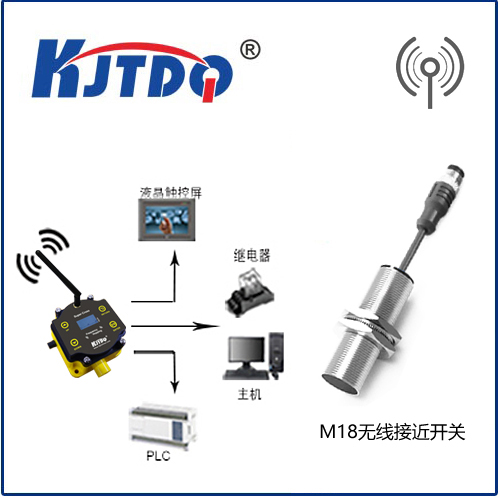
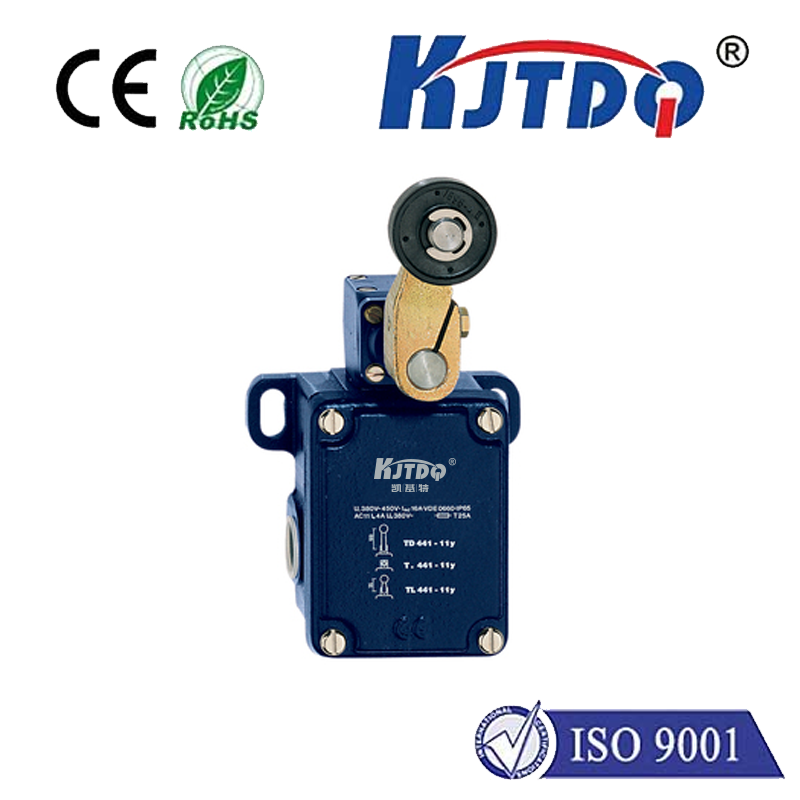
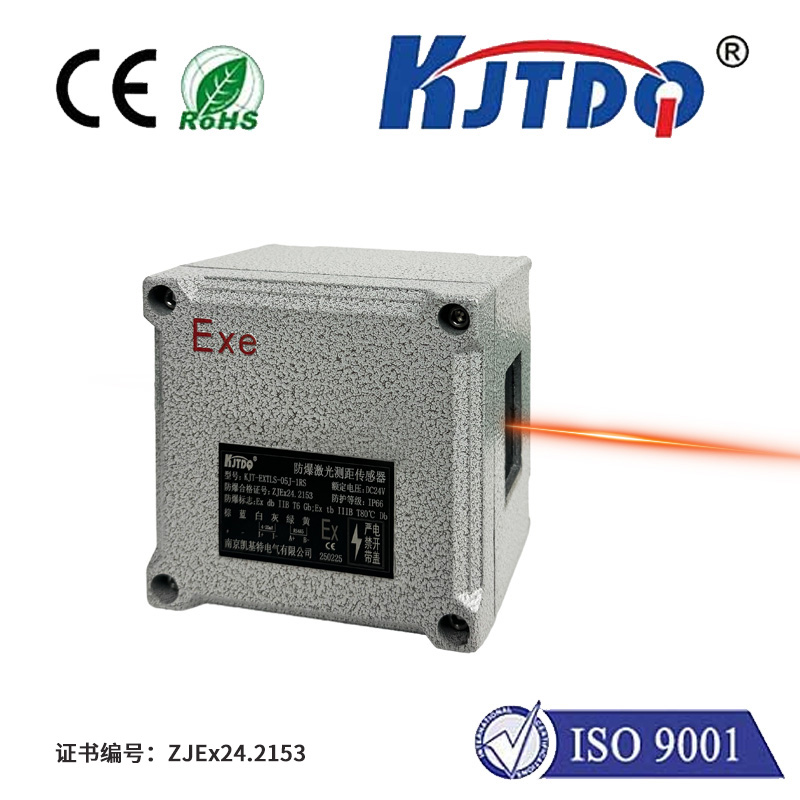
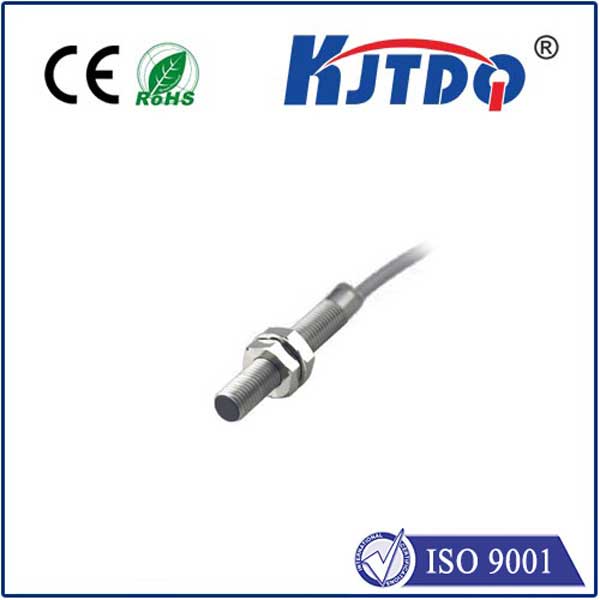
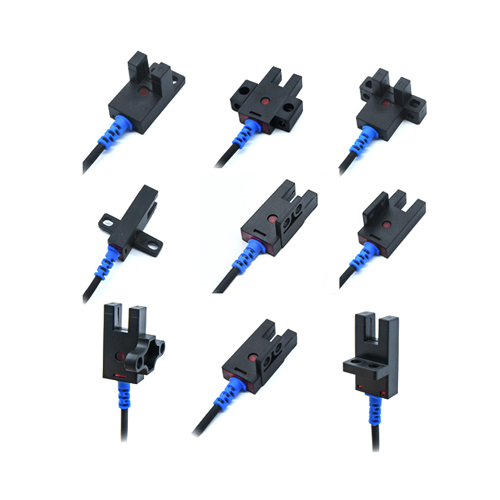
The operational principle of a hoist upper limit switch is elegantly straightforward. It is typically mounted on the hoist frame or in a position where it can be actuated by the movement of the load block or hook. Common types include rotary cam limit switches, proximity sensors, and weight-activated systems. As the hoist ascends, a mechanical arm, cam, or magnet attached to the moving part eventually contacts or triggers the switch. This action sends an electrical signal to the hoist's control system, immediately cutting power to the hoisting motor. This intervention stops the upward motion, ensuring the load halts at a safe distance below any physical obstructions. Some advanced systems incorporate a two-stage approach: a first "slow-down" limit switch that reduces hoisting speed, followed by a final "stop" limit switch for complete cessation. This multi-tiered approach allows for smoother, more controlled operations.
The importance of a properly functioning hoist upper limit switch cannot be overstated. Firstly, it is a fundamental safety requirement mandated by occupational safety regulations and standards such as OSHA and ASME. Regular inspection and testing of this switch are not just best practices but legal necessities. A malfunctioning or disabled limit switch is a leading cause of hoist-related accidents, including two-blocking incidents where the hook block makes contact with the headblock. Secondly, it protects the hoist's mechanical integrity. Preventing over-travel reduces wear and tear on wire ropes, drums, and motors, leading to lower maintenance costs and extended equipment lifespan. For businesses, this translates directly into reduced downtime and improved operational efficiency.
Integrating a reliable hoist upper limit switch is a cornerstone of modern industrial safety protocols. When selecting or maintaining a switch, factors such as the hoist's duty cycle, operating environment (e.g., exposure to dust, moisture, or extreme temperatures), and required precision must be considered. Modern electronic and programmable limit switches offer greater accuracy and diagnostic capabilities compared to traditional mechanical types. They can be integrated into a facility's broader monitoring system, providing real-time data and alerts for predictive maintenance.
In conclusion, the hoist upper limit switch is far more than a simple mechanical stop. It is an intelligent safety sentinel, crucial for preventing accidents, protecting valuable assets, and ensuring seamless workflow continuity. For any operation relying on lifting equipment, prioritizing the correct selection, installation, and rigorous maintenance of the hoist upper limit switch is a non-negotiable investment in safety and productivity. Ensuring this component is always in optimal working condition is a direct step towards a safer, more efficient, and compliant working environment.