check

check

check

check

check

check
In the intricate world of industrial automation and machinery, countless components work in silent harmony to ensure efficiency, precision, and, most critically, safety. Among these vital parts, the limit switch actuator often operates unseen, yet its role is indispensable. Far from being a mere accessory, it is the critical interface that translates physical motion into a definitive electrical signal, acting as the sentinel for positional control and system protection.
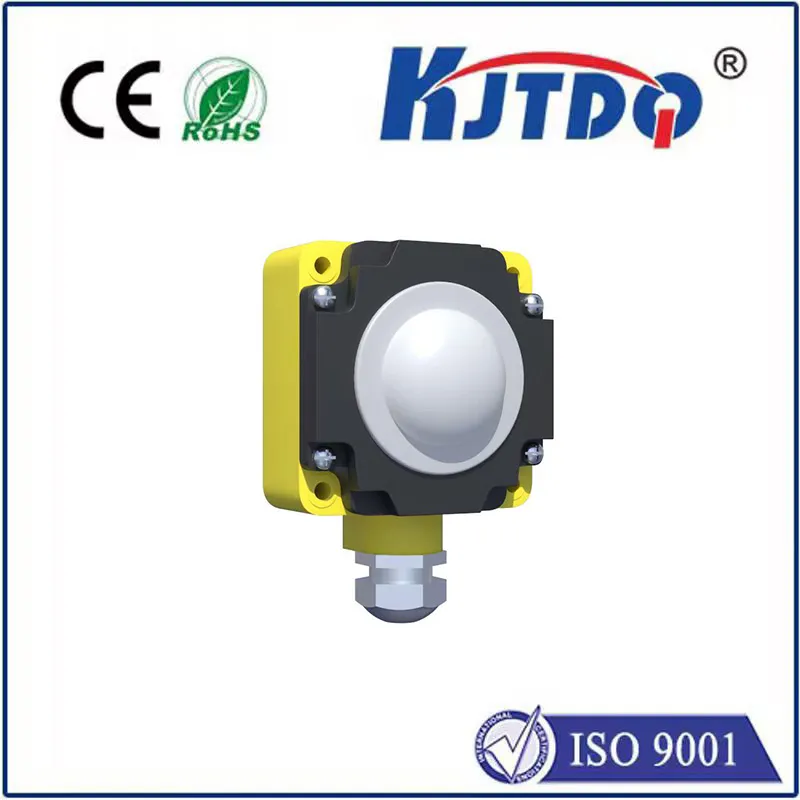
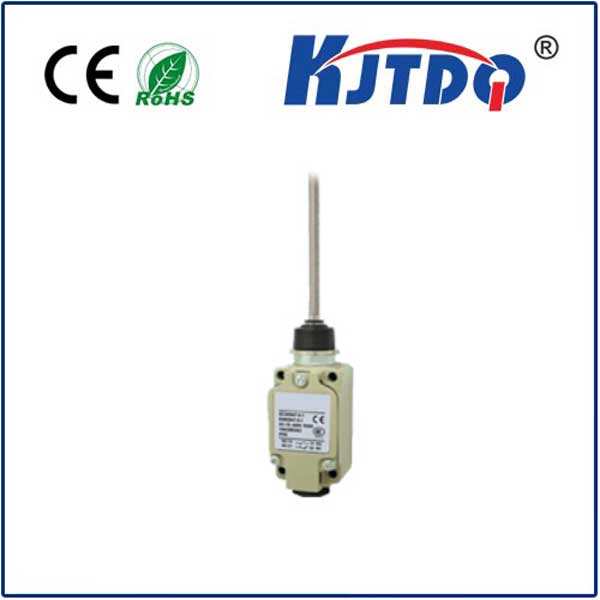
A limit switch itself is an electromechanical device that detects the presence or absence of an object. However, without its actuator—the specific component that is physically contacted by the moving part—the switch would be inert. The actuator is the "trigger." It is the lever, roller, plunger, or whisker that gets pushed, rotated, or tripped. This mechanical action then internally operates the switch's contacts, either opening or closing an electrical circuit. This simple, robust signal is the foundational language for machine logic: "The door is fully closed," "The robotic arm has reached its endpoint," "The valve is in the open position," or "Emergency stop engaged."
The choice of actuator is not arbitrary; it is a deliberate engineering decision that directly impacts reliability and longevity. For instance, a heavy-duty roller lever actuator is ideal for applications involving cranes or conveyor systems, where it can withstand repeated, high-force contact from a moving cam or machine part. In contrast, a precision plunger actuator might be selected for delicate assembly equipment where exact, repeatable point detection is paramount. In harsh environments filled with dust, moisture, or corrosive agents, sealed actuators with ruggedized designs prevent contamination and switch failure, ensuring uninterrupted operation.
The applications of limit switch actuators are virtually limitless, spanning across every major industry. In manufacturing, they define the travel limits of CNC machine tools, ensuring cutting precision and preventing catastrophic collisions. Within the automotive sector, they confirm the correct positioning of robotic welders and the safe closure of heavy press guards. On packaging lines, they detect product presence for filling and sealing operations. In material handling, they signal when a lift gate has reached the floor or a pallet is in position for retrieval. Perhaps most importantly, they are integral to safety interlock systems, preventing access to dangerous areas while machinery is in motion or ensuring that a guard door is securely locked before a process can begin.
Modern advancements have further enhanced the utility of these devices. While traditional mechanical actuators remain supremely popular for their simplicity and cost-effectiveness, their functionality has been augmented by proximity sensors. Nevertheless, for applications requiring direct physical confirmation—a tangible, positive detection of a mechanical position—the limit switch actuator remains unchallenged. Its output is a definitive, hard-wired signal, often considered the most failsafe method for critical limit detection.
Selecting the right limit switch actuator requires careful consideration of several factors: the required operating force, the speed and frequency of actuation, the environmental conditions (temperature, IP rating), the type of motion (linear, rotary), and the necessary electrical specifications. Partnering with a knowledgeable supplier who understands these nuances is key to optimizing machine performance and minimizing downtime.
In conclusion, the limit switch actuator is a masterpiece of functional design. It embodies the principle that the most critical components are often those that perform a single, simple task with unwavering reliability. By providing a definitive physical-to-electrical interface, it forms the backbone of positional awareness and safety in automated systems. From controlling the repetitive motion of a high-speed production machine to safeguarding personnel in a hazardous industrial zone, the limit switch actuator stands as a fundamental pillar of modern industrial control, proving that true value lies not in complexity, but in consistent, dependable performance.