check

check

check

check

check

check
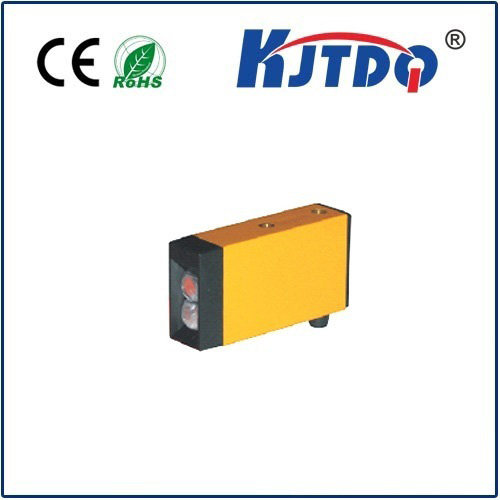
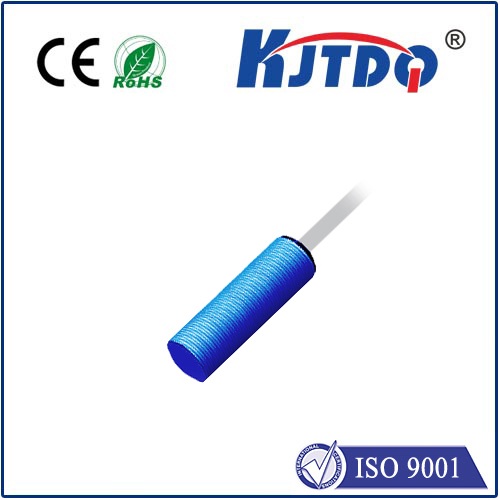
In the world of industrial automation, precision and reliability are non-negotiable. The KJTDQ Column Photoelectric Switch Sensor, specifically the E3F-5DN and E3F-5DP DC models, stands as a cornerstone for countless applications demanding accurate object detection. This comprehensive guide delves into the features, applications, and critical advantages of these robust sensors, explaining why they are a preferred choice for engineers and system integrators globally.
Photoelectric sensors operate on a simple yet powerful principle: they emit a beam of light (visible red or infrared) and detect changes in the received light signal. The "column" or cylindrical housing of the E3F-5 series offers a rugged, compact design suitable for tight installations. The key distinction between the E3F-5DN and E3F-5DP lies in their output configuration. The E3F-5DN features an NPN output (sinking), while the E3F-5DP is equipped with a PNP output (sourcing). This fundamental difference ensures compatibility with a wide range of programmable logic controllers (PLCs) and control systems, allowing for seamless integration into both existing and new setups. Operating on a DC power supply, typically ranging from 10 to 30 VDC, these sensors are known for their low power consumption and stable performance.
The construction of the KJTDQ E3F-5 series is engineered for durability. Housed in a sturdy metal or high-grade plastic cylinder, they are built to withstand harsh industrial environments, including exposure to dust, moisture (many models offer IP67 protection), and mechanical vibrations. Their through-beam sensing method, where the emitter and receiver are separate units, provides a long sensing distance—up to several meters for the E3F-5 series—and high immunity to ambient light interference. This makes them exceptionally reliable for detecting objects of various colors, materials, and surface finishes, a challenge for other sensor types.
Practical applications for these column photoelectric switches are vast and varied. They are indispensable in conveyor belt systems for counting bottles, boxes, or parts, ensuring smooth material flow and inventory management. In packaging machinery, they precisely detect the presence of a product to trigger sealing, labeling, or filling operations. Automated assembly lines rely on them for position verification and part presence checking, preventing jams and ensuring product quality. Furthermore, they are used in security systems, door control mechanisms, and even in the agricultural sector for level detection in silos. The reliability of the E3F-5DN/5DP DC models minimizes downtime, a critical factor in maintaining high production efficiency and reducing operational costs.
When selecting a photoelectric sensor, several technical parameters demand attention. The sensing distance, response time, and output type (NPN/PNP) must align with the application's speed and electrical interface requirements. The KJTDQ E3F-5 series offers a clear advantage with its straightforward wiring and LED status indicators for easy setup and troubleshooting. Regular maintenance is minimal but crucial; keeping the lens clean from dust and debris ensures optimal performance and extends the sensor's operational lifespan. Proper alignment of the emitter and receiver in through-beam setups is also vital for consistent detection.
In conclusion, the KJTDQ Column Photoelectric Switch Sensor E3F-5DN/5DP DC represents a blend of robust design, versatile functionality, and proven reliability. By understanding their operating principles, output configurations, and ideal use cases, engineers can leverage these components to build more efficient, fault-tolerant, and intelligent automated systems. Their role in enhancing productivity and ensuring process accuracy continues to make them a fundamental element in modern industrial automation landscapes.