check

check

check

check

check

check
In the realm of modern vertical transportation, the seamless operation of an elevator system hinges on a network of critical components working in perfect harmony. Among these, the photoelectric sensor stands out as a fundamental safety and efficiency device. Far from being a simple accessory, this technology acts as the vigilant "eyes" of the elevator, continuously monitoring door zones and car positions to prevent accidents and ensure smooth passenger flow.
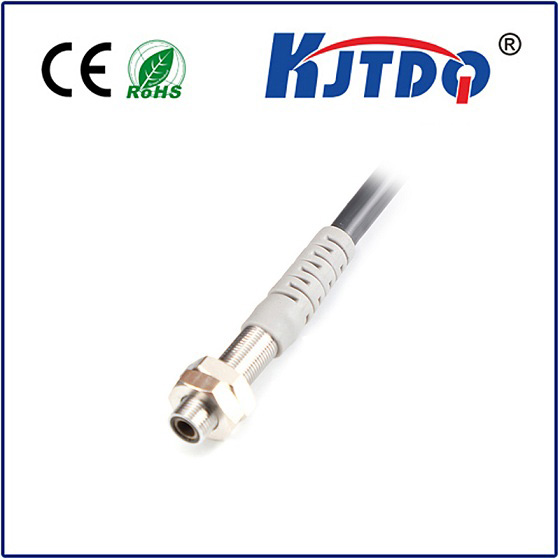
The core principle behind a photoelectric sensor for elevator applications is elegantly straightforward. It typically consists of a transmitter that emits an invisible beam of infrared light and a receiver designed to detect this specific beam. This setup creates an invisible curtain of light across an elevator doorway or at specific landing points. When this beam is interrupted by an object—be it a passenger, a piece of luggage, or even a pet—the receiver signals the elevator's control system to halt door closure or prevent the car from moving. This immediate reaction is crucial for preventing entrapment, collisions, and other hazardous scenarios, directly contributing to passenger safety.
Modern photoelectric sensors deployed in elevators have evolved significantly. Advanced models feature modulated infrared beams, which are less susceptible to interference from ambient light sources like sunlight or interior lighting. This ensures reliable operation in diverse environmental conditions. Furthermore, the integration of microprocessor-based controls allows for self-diagnosis and fault reporting, enabling predictive maintenance. Technicians can be alerted to potential issues like lens contamination or alignment drift before they lead to system failure, thereby maximizing uptime and reducing operational costs.
The strategic placement of these sensors is a key aspect of elevator design. Primary sensors are installed on the elevator car doors, creating a protective field across the entire door opening. Secondary or redundant sensors, often using a different technology like safety edges, provide an additional layer of protection, adhering to stringent global safety standards such as EN 81-20/50. Beyond door protection, photoelectric sensors are integral to the elevator's leveling system. By precisely detecting reference marks in the elevator shaft, they enable the car to stop accurately flush with each floor, eliminating tripping hazards and enhancing accessibility for all users, including those with mobility aids.
The benefits of implementing high-quality photoelectric sensors extend beyond core safety. By ensuring doors remain open only when necessary and close promptly once the path is clear, these sensors optimize the elevator's cycling time. This leads to reduced waiting periods for passengers and improved traffic handling in multi-elevator systems within office towers, hospitals, and residential complexes. The resulting energy savings from more efficient operation also contribute to the building's overall sustainability profile.
For building managers, facility engineers, and elevator maintenance contractors, selecting the right photoelectric sensor is paramount. Factors such as detection range, response speed, environmental sealing for dust and moisture (often rated IP65 or higher), and compatibility with the existing elevator control system must be carefully evaluated. Partnering with reputable manufacturers who offer robust, certified components designed for the rigorous demands of 24/7 elevator operation is a non-negotiable aspect of ensuring long-term reliability and compliance.
In conclusion, the photoelectric sensor is an indispensable component in the architecture of safe, reliable, and intelligent elevator systems. Its role in safeguarding passengers and facilitating efficient vertical movement is critical. As building designs evolve and the demand for smarter, more connected vertical transport grows, the underlying technology of photoelectric sensing will continue to be a cornerstone, quietly and reliably ensuring that every journey between floors is secure and seamless.