check

check

check

check

check

check
In today's demanding industrial landscape, reliability is non-negotiable. Equipment must perform flawlessly under extreme conditions, from automotive assembly lines to food processing plants. This is where the photoelectric sensor with an IP67 rating becomes an indispensable component. It represents a perfect synergy of precise optical sensing and robust environmental protection, ensuring continuous operation where other sensors might fail.
An IP67 rating is a critical international standard defined by the International Electrotechnical Commission (IEC). The "IP" stands for Ingress Protection, and the two digits that follow specify the level of sealing effectiveness. The first digit, '6', indicates complete protection against dust ingress. No dust can enter the enclosure, making it dust-tight. The second digit, '7', signifies protection against the effects of temporary immersion in water. A sensor with this rating can withstand immersion in up to 1 meter of water for 30 minutes. This dual protection is what sets IP67-rated photoelectric sensors apart, making them ideal for applications exposed to washdowns, humidity, oil mist, and airborne particulates.
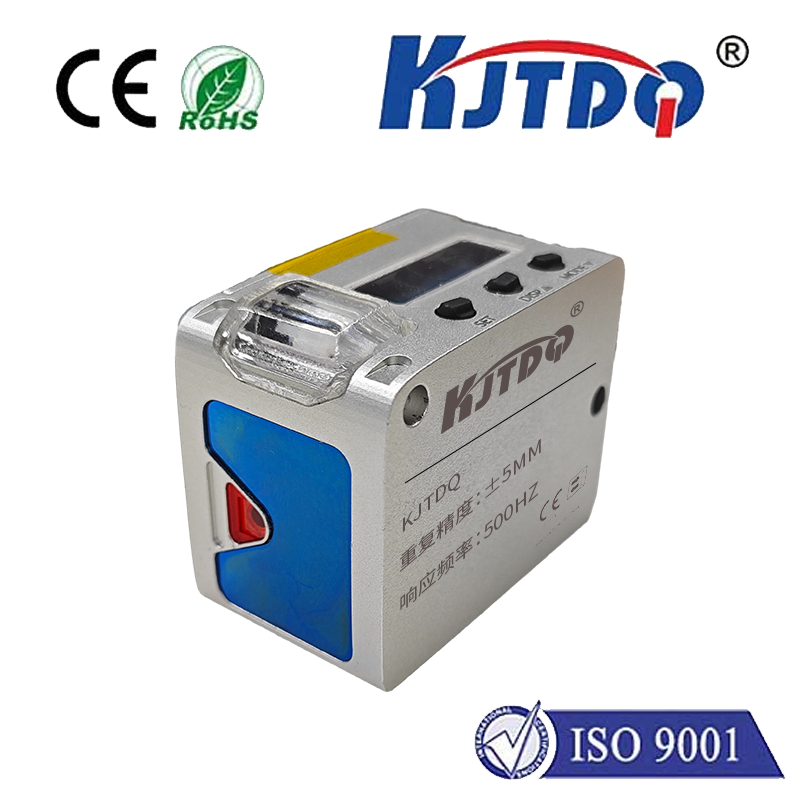
Photoelectric sensors operate by emitting a beam of light (visible red, infrared, or laser) and detecting changes in the received light signal. They are used for tasks like object detection, counting, positioning, and quality control. When this sensitive optical technology is housed within an IP67 enclosure, its application scope expands dramatically. Common models include through-beam, retro-reflective, and diffuse reflective sensors, all available with this high level of protection. Through-beam sensors, with separate emitter and receiver units, offer the longest sensing ranges and high reliability in dirty environments because only the signal strength is affected, not the beam path. Diffuse reflective sensors, which house both emitter and receiver in one unit, are perfect for detecting objects at shorter ranges, even if they are non-metallic or variably colored.
The practical benefits of deploying an IP67 photoelectric sensor are substantial. First and foremost is enhanced durability and a significantly extended service life. In industries like packaging, sensors are exposed to cardboard dust and constant vibration. In beverage bottling, they face sugary spills and frequent high-pressure washdowns with caustic cleaners. A standard sensor would quickly succumb to these conditions, leading to false triggers, drift, or complete failure. An IP67 sensor, with its sealed housing and often corrosion-resistant materials like stainless steel or high-grade plastics, maintains its calibration and performance, reducing unplanned downtime.
Secondly, they enable greater design and operational flexibility. Production managers are no longer constrained to placing sensors only in "clean" areas. They can be installed directly on machinery in the heart of the process, closer to the action, which improves accuracy and response times. This is crucial in automated material handling, where sensors guide robots to pick and place items, or in automotive welding lines, where they must operate reliably amidst sparks and metal debris.
Furthermore, the use of these robust sensors translates to lower total cost of ownership. While the initial investment might be slightly higher than a standard sensor, the reduction in maintenance, replacement costs, and production stoppages delivers a strong return on investment. It minimizes the risk of costly recalls or quality issues caused by sensor failure in critical checkpoints.
When selecting an IP67 photoelectric sensor, several technical factors should be considered beyond the ingress protection rating. Sensing range, light source type, response time, and output configuration (e.g., NPN/PNP, analog, IO-Link) must match the application's needs. The housing material should be compatible with the environmental chemicals present. Modern sensors also offer advanced features like background suppression, which allows them to detect an object while ignoring a reflective background, and teach-in functions for easy setup.
In conclusion, the photoelectric sensor with an IP67 rating is far more than just a component; it is a strategic asset for modern manufacturing and automation. It provides the resilience needed to maintain high productivity and quality standards in the face of daily environmental challenges. By ensuring that the "eyes" of the automation system remain clear and functional under dust, water, and chemical exposure, these sensors form the reliable backbone of efficient, 24/7 industrial operations, safeguarding both performance and profitability.