check

check

check

check

check

check
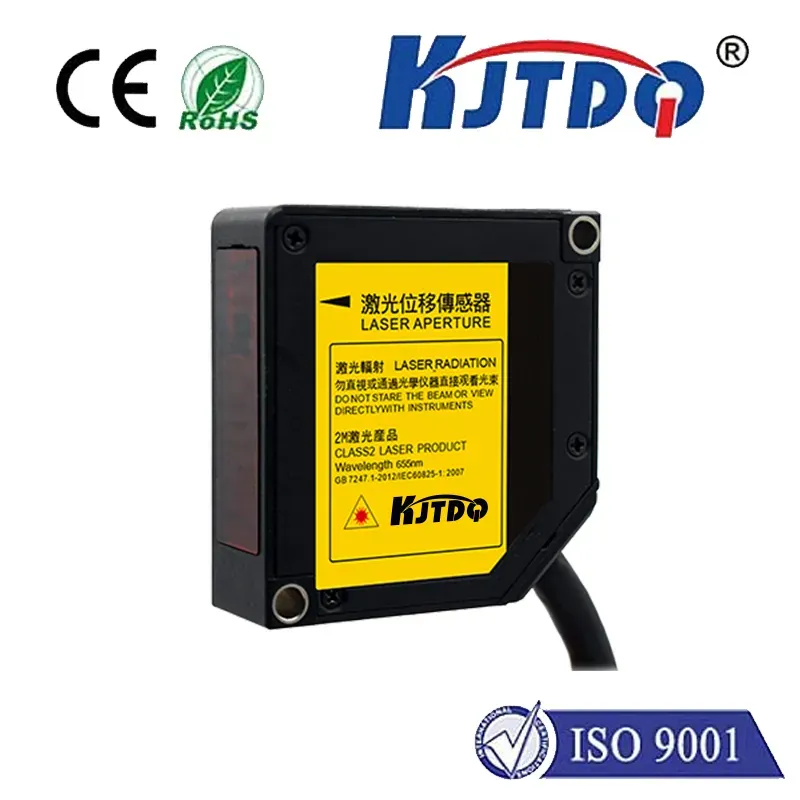
In the world of industrial automation and machine safety, the reliability of a single component can dictate the efficiency of an entire production line. Among the myriad of sensing solutions available, the photoelectric switch stands out for its versatility and non-contact operation. The Sensor Photoelectric Switch CX-442 represents a pinnacle in this category, engineered to deliver consistent performance in demanding environments. This guide delves into the core features, operational principles, and practical applications of this advanced device, providing a comprehensive understanding for engineers and system integrators.
At its heart, the CX-442 operates on a fundamental principle: it emits a beam of light, typically from an LED, and detects changes in the received light signal. The target object's presence or absence is determined by either interrupting this beam (through-beam mode) or reflecting it back to the sensor (retro-reflective or diffuse reflective modes). What sets the CX-442 apart is its refined optical system and robust circuitry, designed to minimize false triggers from ambient light, dust, or vibration. Its housing is often constructed from durable materials like nickel-plated brass or stainless steel, offering high resistance to corrosion, impacts, and washdowns, making it suitable for food processing, packaging, and material handling industries.
A key advantage of the CX-442 model is its adjustable sensing range and high switching frequency. This allows for precise detection of objects varying in size, color, and material, from transparent glass bottles to opaque metal parts. Many variants come with built-in sensitivity potentiometers or teach-in functions, enabling quick on-site calibration without complex tools. Furthermore, models with IO-Link capability provide digital communication for real-time diagnostics, parameter setting, and predictive maintenance data, seamlessly integrating into Industry 4.0 frameworks. The electrical output is typically in the form of a solid-state PNP or NPN transistor, ensuring fast response times and compatibility with standard programmable logic controllers (PLCs).
Installation and alignment are straightforward with the CX-442's intuitive design, often featuring visible or audible alignment aids. However, optimal performance requires careful consideration of the mounting environment. For instance, in applications with heavy particulate matter, choosing a model with a strong, modulated infrared light source can prevent interference. Similarly, for detecting glossy surfaces, a polarized filter version can be specified to avoid direct specular reflection errors. Regular maintenance involves simply keeping the lens clean to ensure maximum light transmission.
From conveyor belt monitoring and object counting to robotic arm positioning and safety door interlocking, the applications for the CX-442 are vast. Its reliability directly contributes to reduced machine downtime, improved product quality, and enhanced operational safety. When selecting a photoelectric switch, the CX-442 series offers a balance of precision, durability, and technological integration, proving to be a critical component for modern automated systems seeking efficiency and resilience.