check

check

check

check

check

check
In the world of industrial automation and smart systems, reliable detection is the cornerstone of efficiency and safety. Among the myriad of sensing technologies available, the photoelectric switch infrared sensor stands out for its versatility, precision, and robustness. This guide delves into the core principles, diverse applications, and critical advantages of these indispensable components, explaining why they are a preferred choice for engineers and system designers globally.
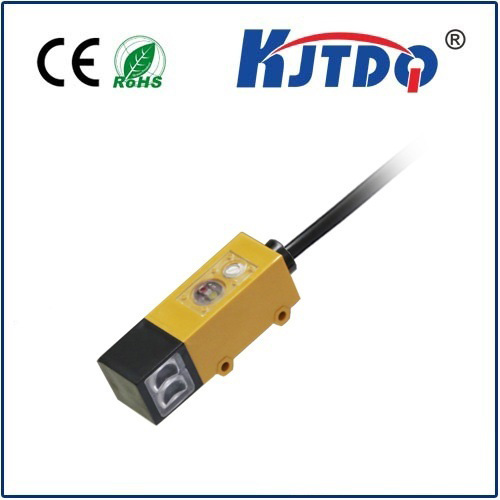
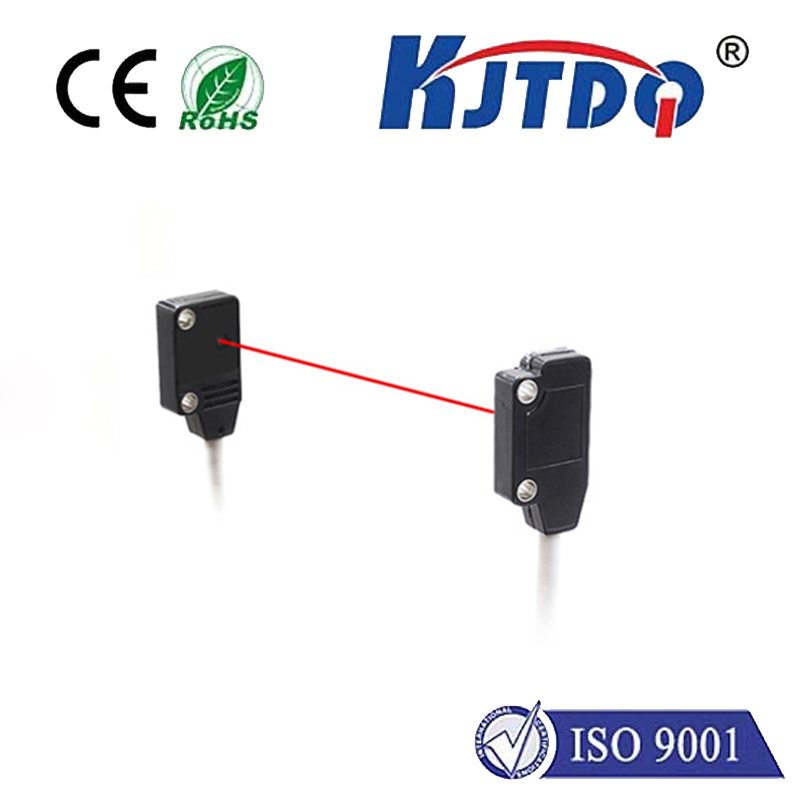
At its heart, a photoelectric switch infrared sensor operates on a simple yet powerful principle: it uses infrared light to detect the presence, absence, or distance of an object. The system typically consists of an emitter, which projects an invisible beam of infrared light, and a receiver. When an object interrupts or reflects this beam, the receiver detects the change in light intensity, triggering a switch signal. This non-contact method of detection is its primary strength, eliminating mechanical wear and tear and allowing for high-speed operation. Unlike other sensors, infrared variants are less susceptible to interference from ambient visible light, making them exceptionally stable in various lighting conditions.
The applications for photoelectric infrared sensors are vast and span numerous industries. In manufacturing and packaging lines, they are the silent sentinels, counting products, detecting jams, and ensuring precise positioning on conveyor belts. Their ability to sense a wide range of materials—from transparent glass bottles to opaque metal parts—makes them incredibly flexible. In the realm of security and access control, these sensors form invisible barriers in intrusion detection systems or act as automatic triggers for doors and gates. Furthermore, they are integral to modern consumer electronics, found in devices like touchless faucets, paper dispensers, and automatic hand dryers, promoting hygiene and convenience. The automotive industry relies on them for obstacle detection and liquid level sensing, while in agriculture, they can monitor equipment and automate processes.
Choosing a photoelectric infrared sensor offers a compelling array of benefits. First and foremost is their remarkable accuracy and long sensing range, capable of detecting objects from a few centimeters up to several meters away without physical contact. This non-invasive nature ensures a longer operational lifespan and minimal maintenance. They boast fast response times, crucial for high-speed automation where milliseconds matter. Their design is often compact and rugged, built to withstand harsh industrial environments involving dust, moisture, and vibration. Additionally, many modern sensors come with adjustable sensitivity and built-in diagnostics, simplifying integration and troubleshooting. Compared to ultrasonic or capacitive sensors, photoelectric infrared sensors provide a more consistent performance for solid object detection, especially where the target's color or material might vary.
When integrating a photoelectric switch infrared sensor into a system, several practical considerations are paramount. The selection process must account for the sensing mode: through-beam (for longest range and highest reliability), retro-reflective (using a reflector), or diffuse reflective (sensing the object's direct reflection). The operating environment is critical; factors like dust, fog, or intense ambient light may require sensors with specific protective housings or modulated light signals to prevent false triggers. Proper alignment during installation is essential for optimal performance, and regular lens cleaning ensures the infrared beam is not obstructed. Understanding the electrical output requirements (e.g., NPN/PNP, relay) is also necessary for seamless compatibility with control units like PLCs.
In conclusion, the photoelectric switch infrared sensor is a fundamental and highly adaptable technology that drives modern automation. Its principle of non-contact infrared detection delivers a unique combination of reliability, speed, and durability. From streamlining complex industrial assembly lines to enabling simple everyday conveniences, its role is pivotal. For anyone designing, maintaining, or upgrading an automated system, a deep understanding of this sensor's capabilities and correct implementation is key to unlocking greater efficiency, safety, and innovation. As technology evolves, these sensors continue to become more intelligent and integrated, solidifying their status as an essential component in the toolkit of progress.