check

check

check

check

check

check
In the world of industrial automation, machine control, and smart devices, reliable object detection is non-negotiable. Among the myriad of sensing technologies available, the 5V photoelectric sensor stands out as a versatile and fundamental component. Operating on a standard 5-volt DC power supply, which aligns perfectly with common logic-level circuits and microcontroller systems like Arduino, Raspberry Pi, and PLC modules, these sensors offer a perfect blend of accessibility and performance. This guide delves into the workings, types, and critical applications of the 5V photoelectric sensor, providing a comprehensive understanding for engineers, hobbyists, and procurement specialists.
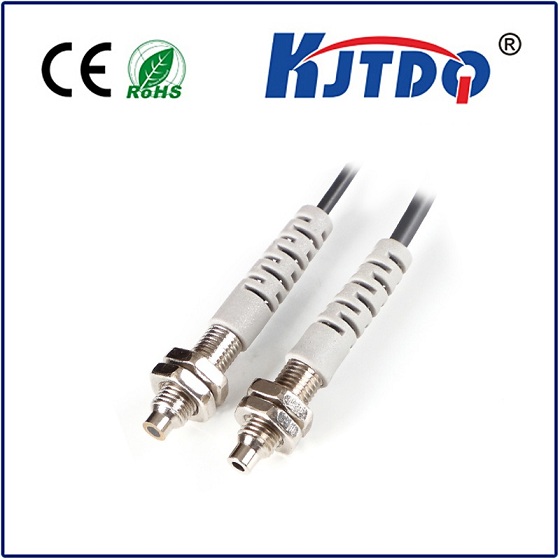
At its core, a photoelectric sensor 5v operates by emitting a beam of light, typically from an LED, and detecting changes in the received light intensity. The 5V specification primarily refers to its operating voltage, making it exceptionally easy to integrate into low-voltage digital systems without the need for complex power conditioning. The sensing principle can be implemented in three primary configurations, each suited for specific scenarios. The through-beam type, also known as the opposed mode, consists of separate emitter and receiver units placed opposite each other. An object is detected when it interrupts the light beam traveling from the emitter to the receiver. This type offers the longest sensing range and highest reliability for clear object detection but requires precise alignment and wiring for two separate units.
The second common type is the retro-reflective sensor. Here, both the light emitter and the receiver are housed in the same unit. The sensor emits light towards a dedicated reflector, which bounces the beam directly back to the receiver. Detection occurs when an object blocks this reflected beam. This design simplifies installation compared to through-beam sensors, as only one device needs to be wired and mounted, with the reflector placed opposite. The third, and often most compact, type is the diffuse reflective sensor. In this configuration, the sensor uses the target object itself as the reflector. The emitted light hits the object, scatters, and a portion reflects back to the receiver within the same housing. Detection is based on the intensity of this reflected light. While supremely easy to install as it requires only a single unit, its sensing distance is typically shorter and can be influenced by the object's color, texture, and reflectivity.
The advantages of opting for a 5V photoelectric sensor are numerous. Their low power consumption makes them ideal for battery-operated or energy-sensitive applications. The direct compatibility with microcontrollers eliminates the need for level shifters or additional driver circuits, streamlining design and prototyping. Furthermore, they provide non-contact detection, meaning there is no physical wear from touching the object, leading to exceptional longevity and maintenance-free operation. They can detect a wide variety of materials, including glass, plastic, metal, and liquids, provided the optical properties allow for sufficient light reflection or interruption.
Practical applications for 5V photoelectric sensors are vast. In automated assembly lines, they are used for precise part counting, jam detection, and verifying the presence of components on a conveyor belt. Within consumer electronics and 3D printers, they serve as end-stop limit switches to detect the home position of a print head or axis. They are integral in vending machines for product dispensing verification and in security systems for door position monitoring. For DIY enthusiasts and robotics projects, these sensors are the go-to solution for building line-following robots, creating touchless interfaces, or adding object avoidance capabilities.
When selecting a 5V photoelectric sensor, several key specifications must be considered beyond just the voltage. The sensing distance, often listed as the "rated operating distance," is crucial and varies significantly between through-beam, retro-reflective, and diffuse models. The output type is another critical decision point; common outputs include NPN (sinking) or PNP (sourcing) transistor outputs, and sometimes analog or digital (TTL) outputs. The response time determines how quickly the sensor can react to a detected object, which is vital for high-speed applications. Environmental factors such as ambient light immunity, resistance to dust, and operational temperature range must also be evaluated to ensure stable performance in the intended setting.
Installation and alignment are straightforward but demand attention. For through-beam and retro-reflective types, ensuring a clear, unobstructed optical path is essential. Even minor misalignment can lead to unreliable operation. Diffuse sensors are more forgiving but require consideration of the background. A highly reflective background behind the target object might cause false triggers, a situation often addressed by sensors with background suppression technology. Regular maintenance involves keeping the lens clean from dust, oil, or debris that could attenuate the light beam.
In conclusion, the 5V photoelectric sensor is a cornerstone of modern electronic sensing. Its standardized operating voltage, coupled with robust and flexible detection methods, makes it an indispensable tool across industries and innovation hubs. From controlling complex industrial machinery to enabling the next generation of smart gadgets, understanding and utilizing these sensors unlocks a world of possibilities for automated, precise, and reliable object detection. Choosing the right type and configuring it correctly ensures a seamless integration that enhances system intelligence and operational efficiency.