check

check

check

check

check

check
In the world of industrial automation, electronics, and robotics, precise and reliable object detection is non-negotiable. Among the various sensing technologies available, the 5V photoelectric sensor stands out as a versatile and widely adopted solution. Operating on a standard 5-volt DC power supply, these sensors offer a perfect balance of performance, compatibility, and ease of integration, making them a cornerstone in countless applications from assembly lines to smart devices.
So, what exactly is a 5V photoelectric sensor? At its core, it uses a light emitter, typically an LED, and a photoreceiver to detect the presence, absence, or distance of an object. The "5V" designation refers to its operating voltage, which aligns perfectly with the logic levels of most microcontrollers (like Arduino, Raspberry Pi), PLC digital inputs, and standard digital circuits. This common voltage eliminates the need for complex level-shifting circuitry, simplifying design and reducing overall system cost.
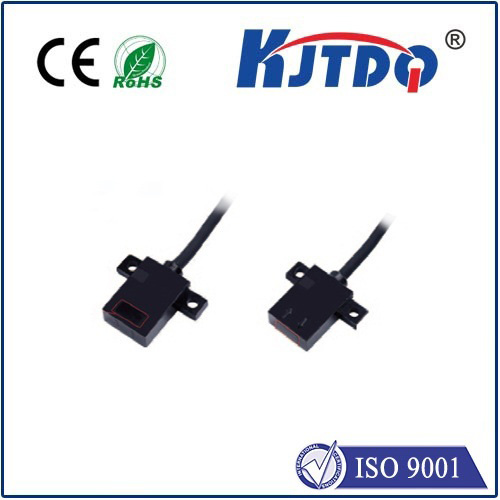
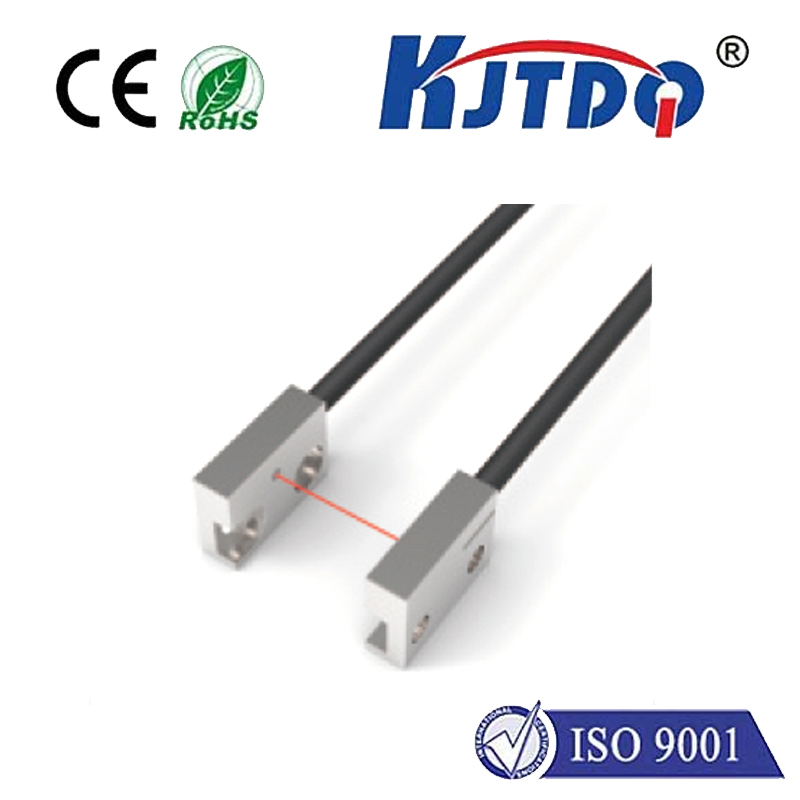
The principle of operation is elegantly simple. The sensor's emitter projects a beam of light—often infrared, red, or laser—towards a target. The receiver then monitors this light. Detection occurs through one of three primary modes. The through-beam mode uses separate emitter and receiver units; an object is detected when it interrupts the beam between them, offering the longest sensing range and high reliability. The retro-reflective mode employs a single unit and a reflector; the object is detected when it blocks the reflected beam. Finally, the diffuse reflective mode, the most common, has both emitter and receiver in one housing; it detects an object by measuring the light reflected directly off the target's surface.
The advantages of choosing a 5V photoelectric sensor are substantial. Their compatibility is a major benefit, plugging seamlessly into modern digital systems. They provide non-contact detection, meaning no physical wear from touching objects, leading to exceptional longevity. They can sense a vast array of materials—metal, plastic, wood, glass, and even liquids—provided the surface reflects enough light. Furthermore, they offer fast response times, capable of detecting objects at high speeds, which is critical in packaging, sorting, and counting operations. Many models also feature adjustable sensitivity, allowing fine-tuning to ignore background interference or detect transparent objects.
When selecting a 5V photoelectric sensor for your project, several key specifications demand attention. Sensing range is paramount; ensure it meets your required detection distance. The output type is crucial: a digital output (often NPN or PNP transistor) provides a simple high/low signal, while an analog output offers a voltage proportional to distance or light intensity. The response time must be faster than the speed of the objects you need to detect. Don’t overlook environmental factors; look for sensors with adequate Ingress Protection (IP) ratings if they will face dust, moisture, or washdowns. Finally, consider the housing material and form factor (cylindrical or rectangular) for easy mounting in your application.
Real-world applications are everywhere. On factory floors, they count bottles, detect jammed parts on conveyors, and ensure correct product positioning. In robotics, they serve as limit switches or for obstacle avoidance. Consumer printers use them to detect paper presence. Automated car washes employ them to sense vehicle position. Even in DIY electronics, a 5V sensor is a popular choice for creating smart bins, liquid level indicators, or interactive displays due to its straightforward interface with development boards.
For optimal performance, proper installation and maintenance are key. Ensure the sensor is securely mounted to minimize vibration. Align through-beam and retro-reflective models carefully. Keep the lens clean from dust, oil, and debris, as contamination is a leading cause of failure. For diffuse sensors, be mindful of the target's color and surface texture; a matte black surface absorbs light and may require a sensor with higher sensitivity or a shorter range. Always refer to the manufacturer's datasheet for wiring diagrams, load specifications, and environmental limits.
In conclusion, the 5V photoelectric sensor is more than just a component; it is a fundamental enabling technology for automation. Its standard voltage, reliable operation, and adaptability make it an indispensable tool for engineers, technicians, and hobbyists alike. By understanding its operating modes, key specifications, and application best practices, you can leverage this powerful sensing technology to build more intelligent, efficient, and responsive systems. Whether you're optimizing a high-speed production line or prototyping your next innovative gadget, the humble 5V photoelectric sensor provides the eyes your project needs to interact with the physical world reliably.