check

check

check

check

check

check
In industrial automation and control systems, photoelectric sensors play a pivotal role in object detection, positioning, and counting. Among the various types, sensors with PNP and NPN output configurations, along with fiber optic sensors, form the backbone of many applications. Grasping the differences and appropriate use cases for these technologies is crucial for engineers and system integrators.
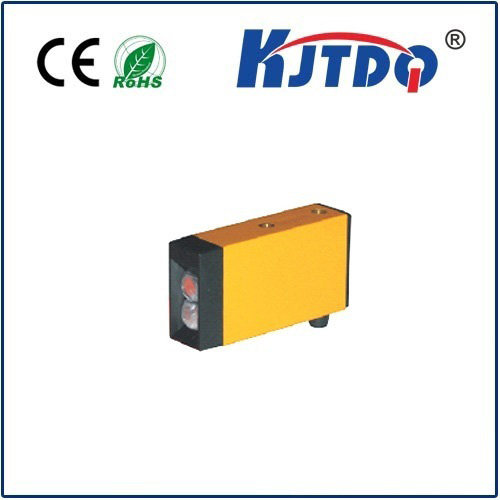
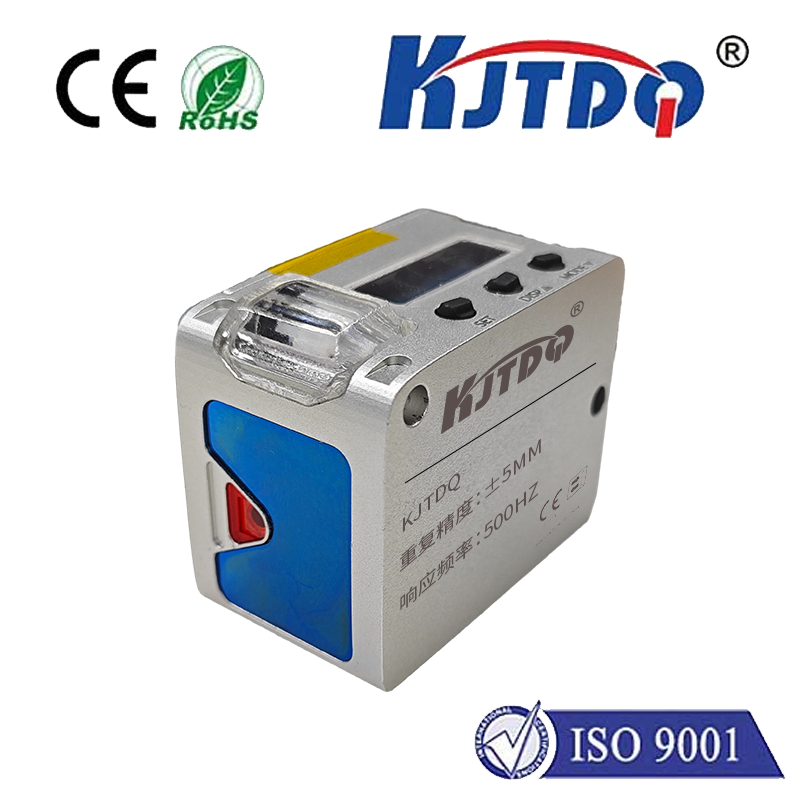
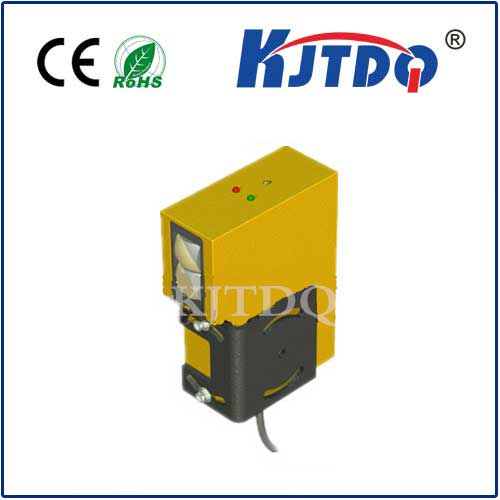
A photoelectric sensor operates by emitting a light beam, typically from an LED, and detecting changes in the received light. The core principle involves the interruption or reflection of this beam by a target object. The sensor's output then switches state to signal the object's presence or absence. This simple yet reliable mechanism makes it suitable for diverse environments, from clean rooms to harsh industrial floors.
The terms PNP and NPN refer to the type of transistor used in the sensor's output circuit. This distinction defines how the sensor interfaces with the programmable logic controller (PLC) or other control devices. A PNP sensor, also known as a "sourcing" sensor, switches the positive voltage to the load. When the sensor is active, it connects the load to the positive supply voltage. Conversely, an NPN sensor, or a "sinking" sensor, switches the negative or ground side of the circuit. When active, it connects the load to ground. The choice between PNP and NPN is often dictated by the regional electrical standards and the input configuration of the controlling device. For instance, PNP is commonly used with PLCs that have sinking inputs in Europe, while NPN is frequently paired with sourcing inputs, often found in Asian markets. Selecting the wrong type can lead to a non-functional system, making this a fundamental consideration.
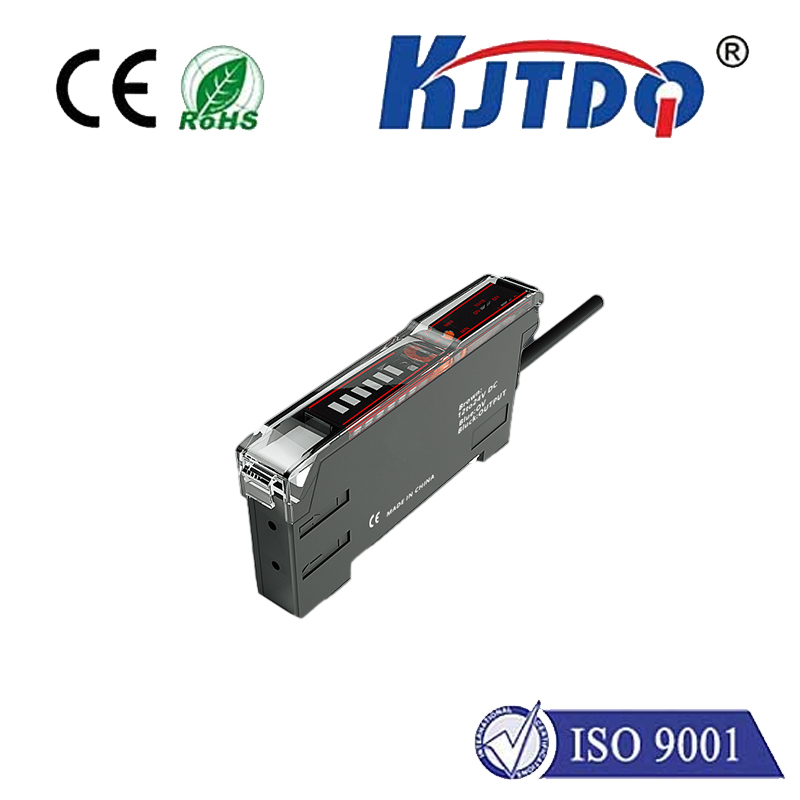
Fiber optic sensors represent a specialized subset of photoelectric sensors. Instead of housing the light emitter and receiver in a single unit, these sensors use flexible fiber optic cables to guide light to and from a remote sensing point. This architecture offers distinct advantages. The sensing head can be extremely small, allowing detection in confined spaces where a standard sensor cannot fit. The electronic amplifier unit can be positioned away from harsh conditions involving extreme temperatures, heavy vibration, or corrosive chemicals, significantly enhancing durability and lifespan. Furthermore, fiber optic sensors are immune to electromagnetic interference (EMI), making them ideal for use near motors, welders, or other high-noise electrical equipment.
The combination of standard photoelectric sensors and fiber optic technology expands the solution space. For example, a diffuse reflective photoelectric sensor with a PNP output might be perfect for detecting opaque boxes on a conveyor belt. However, if the environment is dusty or the target is very small, a fiber optic sensor with a through-beam configuration (separate emitter and receiver fibers) could provide superior reliability and precision. Similarly, an NPN output fiber optic sensor might be chosen to interface directly with a specific brand of robot controller that requires sinking inputs.
When integrating these sensors, several practical factors must be evaluated. Sensing range, response time, and environmental robustness (IP rating) are universal concerns. For PNP/NPN selection, one must verify the control system's input module specifications. For fiber optic sensors, the choice of cable material (typically glass or plastic) and sensing head style (through-beam, diffuse reflective, or retro-reflective) is critical and depends on the application's physical and optical requirements.
In conclusion, the effective implementation of automation systems relies on a clear understanding of sensor output types and technologies. Photoelectric sensors with PNP or NPN outputs provide the essential electrical interface, while fiber optic sensors solve challenging physical and environmental detection problems. By carefully matching the sensor type—be it a standard unit or a fiber optic variant with the correct PNP/NPN output—to the specific application demands, engineers can build systems that are not only functional but also robust, reliable, and efficient. This knowledge empowers professionals to select the optimal sensing solution, ensuring seamless operation in the complex world of industrial automation.