check

check

check

check

check

check
In the rapidly evolving landscape of industrial automation and smart product design, precision, reliability, and efficiency are non-negotiable. At the heart of countless automated systems lies a critical component: the reflection photoelectric switch sensor. This sophisticated device has become indispensable for detecting the presence, absence, or position of objects without physical contact, revolutionizing how products are manufactured, sorted, packaged, and quality-controlled.
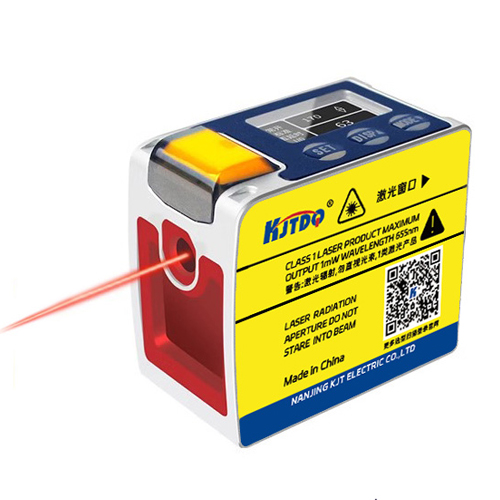
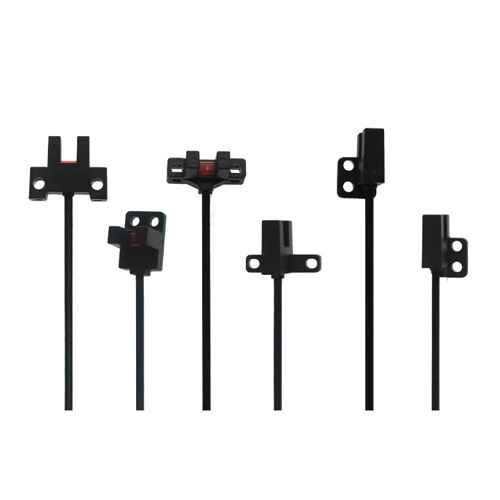
A reflection photoelectric switch sensor, often called a diffuse reflective sensor, operates on a straightforward yet brilliant principle. It integrates both a light emitter (typically an LED) and a receiver into a single housing. The emitter projects a beam of light—often infrared, visible red, or laser—towards a target. When an object enters the sensing range, it reflects a portion of this light back to the receiver. The sensor's internal circuitry then detects this change in the received light intensity and triggers a switching output, signaling the presence of the object. This self-contained design eliminates the need for a separate reflector, simplifying installation and reducing costs.
The applications for these sensors in product-related environments are vast and varied. On high-speed production lines, they are the silent sentinels ensuring bottles are correctly filled, caps are properly sealed, or labels are accurately applied. In packaging machinery, they count items, verify package closure, and detect misaligned products before they proceed to the next stage. Within automated storage and retrieval systems, they provide precise positioning for robotic arms and conveyor belts, ensuring goods are handled gently and placed accurately. Even in everyday consumer products, from automated soap dispensers to paper feed mechanisms in printers, miniature reflection photoelectric switches perform vital detection tasks.
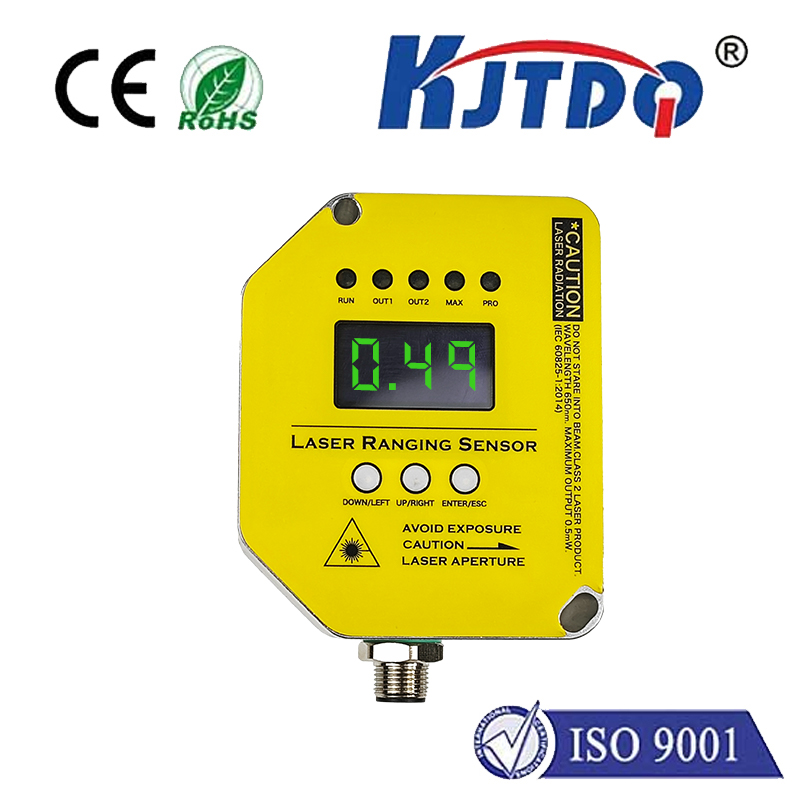
Selecting the right reflection photoelectric sensor for a specific product application requires careful consideration of several key parameters. Sensing range is paramount; it determines how far the sensor can reliably detect an object. For detecting small electronic components, a short-range, high-precision laser sensor might be ideal, while for larger boxes on a conveyor, a standard infrared sensor with a longer range suffices. The material, color, and surface finish of the target object significantly impact performance. Shiny or transparent materials can pose challenges by reflecting light away or allowing it to pass through, whereas dark, matte surfaces absorb light, requiring sensors with higher excess gain. Environmental factors like dust, moisture, ambient light, and temperature fluctuations must also be accounted for, necessitating sensors with appropriate IP ratings and robust housing.
Modern advancements have propelled reflection photoelectric switch sensors to new heights of capability. The integration of background suppression technology, for instance, allows a sensor to ignore objects beyond a set distance, focusing only on the target in the foreground—a crucial feature for precise positioning. Digital configurability via push-buttons or IO-Link communication enables on-the-fly adjustment of sensitivity and timing functions, minimizing downtime during product changeovers. Furthermore, the development of miniaturized models has opened doors for integration into compact consumer electronics and intricate medical devices.
The benefits of deploying these sensors for product automation are compelling. They offer non-contact detection, eliminating mechanical wear and tear and allowing for the sensing of fragile or delicate items. Their high switching speeds enable them to keep pace with the fastest production lines, boosting overall throughput. By providing consistent, accurate detection, they dramatically reduce errors, minimize waste, and enhance overall product quality. This translates directly into lower operational costs, increased productivity, and a stronger competitive edge.
Implementing reflection photoelectric sensors effectively demands thoughtful planning. Correct mounting is essential to avoid optical interference from the background or adjacent machinery. Regular maintenance, such as cleaning the lens from accumulated dust or grime, ensures long-term, reliable operation. Understanding the sensor's output type (e.g., NPN or PNP, NO or NC) is critical for proper integration with Programmable Logic Controllers (PLCs) and other control systems.
In conclusion, the reflection photoelectric switch sensor is far more than a simple component; it is a fundamental enabler of modern, intelligent product handling and manufacturing. Its ability to provide reliable, contactless detection makes it a cornerstone of efficiency, quality, and automation. For engineers, system integrators, and product designers, mastering the selection and application of these sensors is key to building smarter, faster, and more responsive automated systems that define the future of industry.