check

check

check

check

check

check
In the world of industrial automation and machine control, precision and reliability are non-negotiable. Among the myriad of components that ensure seamless operation, the PNP NC proximity sensor stands out as a fundamental pillar for detection tasks. This guide delves into the core principles, applications, and critical advantages of this specific sensor type, providing a clear understanding of why it is a preferred choice for engineers and system integrators globally.
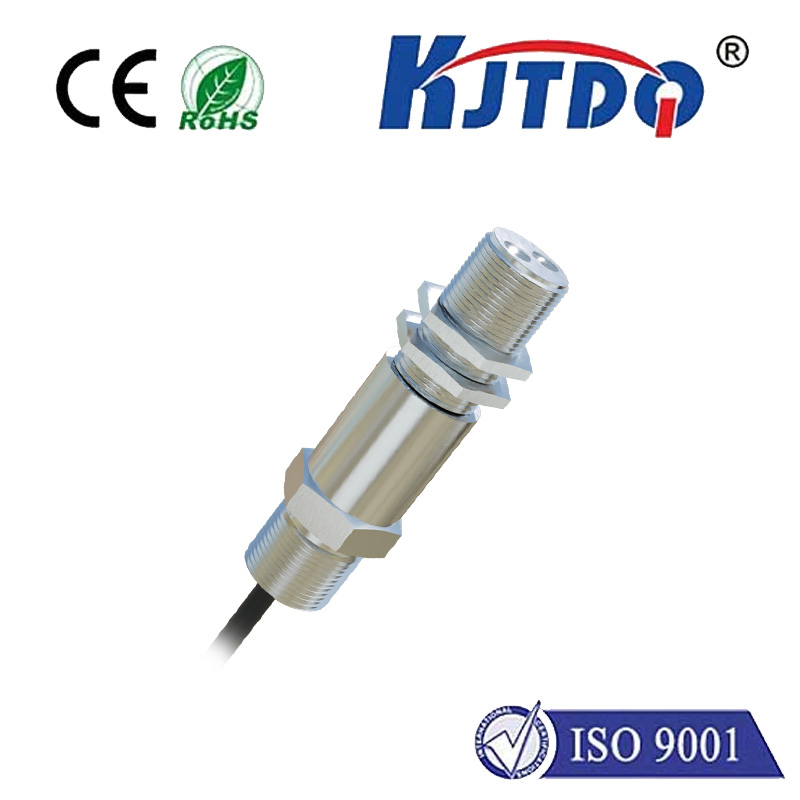
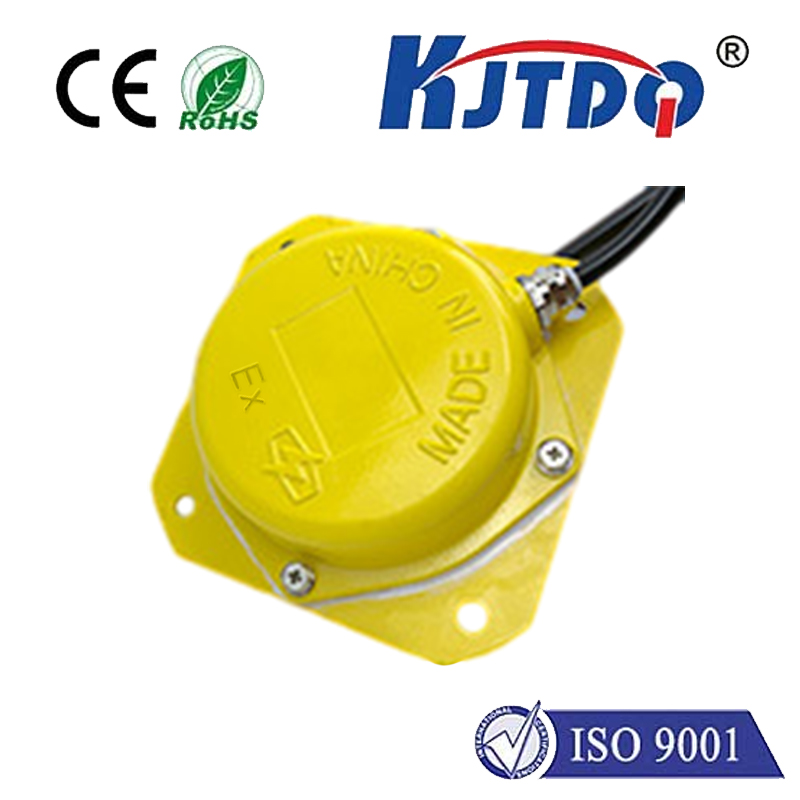
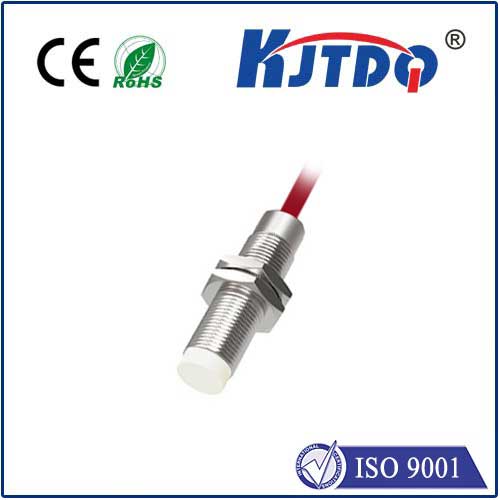
A PNP NC proximity sensor is an electronic device designed to detect the presence or absence of a metallic target without physical contact. The terminology breaks down into three key parts. "PNP" refers to the transistor output type, specifically a positive-switching transistor. In a PNP configuration, the output wire switches to a positive voltage (typically +24V DC) when a target is detected, sourcing current to the load. "NC" stands for Normally Closed. This describes the electrical state of the sensor's output circuit when no target is within its sensing range. In the NC state, the circuit is closed, allowing current to flow. When a target enters the sensing field, the circuit opens, interrupting the current flow. "Proximity Sensor" defines its non-contact detection capability, usually based on an electromagnetic field for metallic objects.
The operational principle is straightforward yet ingenious. The sensor generates a high-frequency oscillating electromagnetic field from its sensing face. When a conductive metal target enters this field, eddy currents are induced on the target's surface. These eddy currents absorb energy from the oscillator, causing its amplitude to decrease. This change is detected by the sensor's internal circuitry, which then triggers a change in the output state. For a PNP NC sensor, this means the output switches from its normally closed (conducting) state to an open (non-conducting) state, sending a clear signal to the connected controller like a PLC.
The combination of PNP output and NC configuration offers distinct operational benefits, particularly for safety-critical applications. The primary advantage of an NC circuit is its inherent fail-safe characteristic. In many safety and monitoring functions, it is crucial that a wire breakage or power loss to the sensor is interpreted as an alarm or "stop" condition. Since an NC circuit is normally conducting, a break in the wire will open the circuit, mimicking the signal of a target being present (e.g., a guard door being open). This failsafe design helps prevent machinery from operating under unsafe conditions. Furthermore, PNP (sourcing) outputs are often the standard in many European and global PLC systems, making these sensors widely compatible.
These sensors are indispensable across diverse industries. A classic application is in machine guarding and safety interlocking. An NC sensor monitoring a safety gate will keep the circuit closed (machine enabled) only when the gate is securely shut. If the gate opens, the circuit opens, triggering an immediate machine halt. They are also extensively used for position verification, such as confirming a cylinder is fully retracted before initiating a new cycle, or in material handling to detect the presence of a part on a conveyor. Their robustness, with typical ingress protection ratings like IP67, allows them to perform reliably in harsh environments with dust, moisture, and vibration.
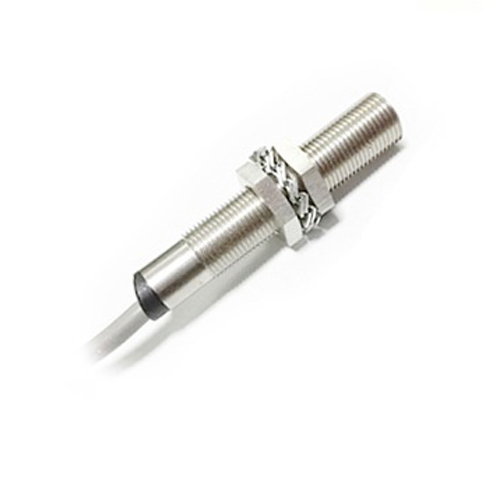
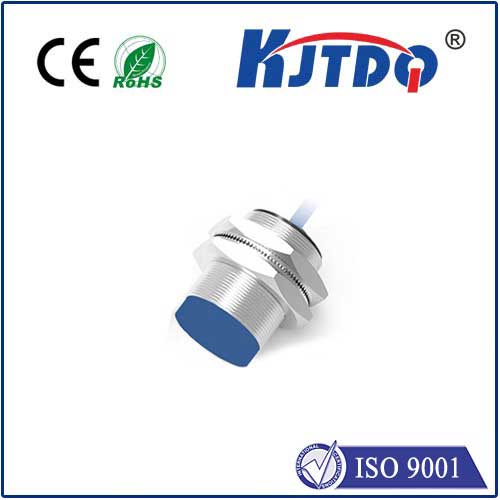
Selecting the right PNP NC proximity sensor requires careful consideration of several parameters. The sensing distance, or nominal range, must be appropriate for the application with a suitable safety margin. The target material (steel, aluminum, brass) affects the effective sensing distance, often requiring a correction factor. Physical size and housing style (cylindrical, rectangular, slot-type) must fit the installation constraints. Electrical specifications, including operating voltage range and output current capacity, must match the control system's requirements. Lastly, environmental factors like temperature extremes and potential chemical exposure dictate the required housing material and sealing.
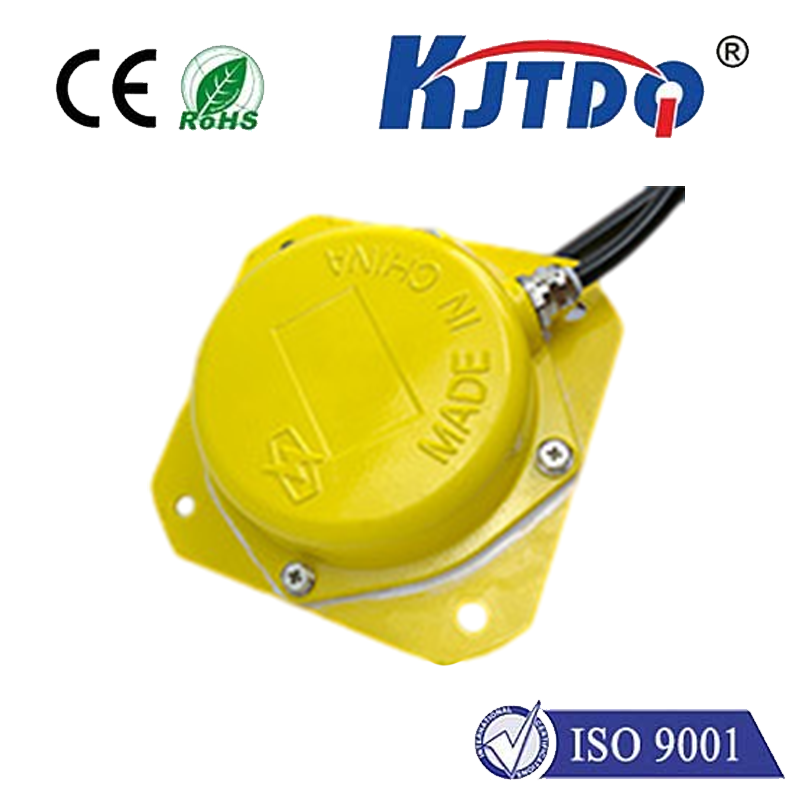
Proper installation and wiring are paramount for optimal performance. Manufacturers provide precise mounting recommendations to avoid interference from surrounding metal, known as the flush-mountable or non-flush-mountable characteristic. Wiring must follow the datasheet precisely: typically, the brown wire connects to the positive DC supply, the blue wire to the negative/common, and the black (or sometimes white) wire is the PNP NC output signal line. Regular maintenance involves keeping the sensing face clean from debris and periodically verifying the switching function and sensing distance to ensure long-term, trouble-free operation.
In conclusion, the PNP NC proximity sensor is more than just a component; it is a critical decision point for designing safe, efficient, and reliable automated systems. Its fail-safe Normally Closed operation, combined with the widespread compatibility of the PNP sourcing output, makes it a versatile and trusted solution. By understanding its working principle, key benefits, and selection criteria, engineers can effectively leverage this technology to enhance machine performance, ensure operator safety, and minimize unplanned downtime, thereby driving productivity and operational excellence.