check

check

check

check

check

check
In the world of industrial automation and machinery, precision and reliability are non-negotiable. The quest for components that deliver consistent performance under demanding conditions leads engineers and system integrators to a critical choice: the proximity sensor. Among the myriad options available, the CJF18-05NA stands out as a robust solution for countless applications. This guide delves into the features, benefits, and practical uses of this inductive proximity sensor, explaining why it has become a trusted component on factory floors worldwide.
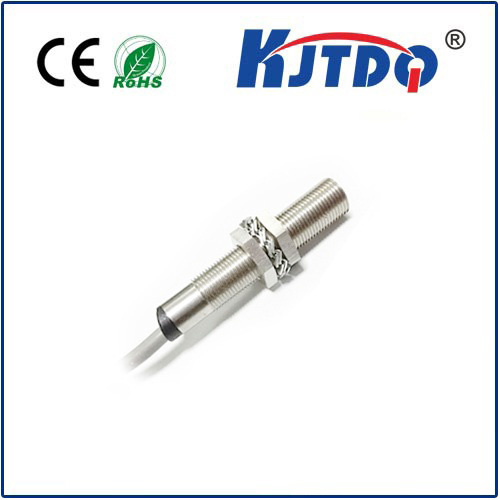
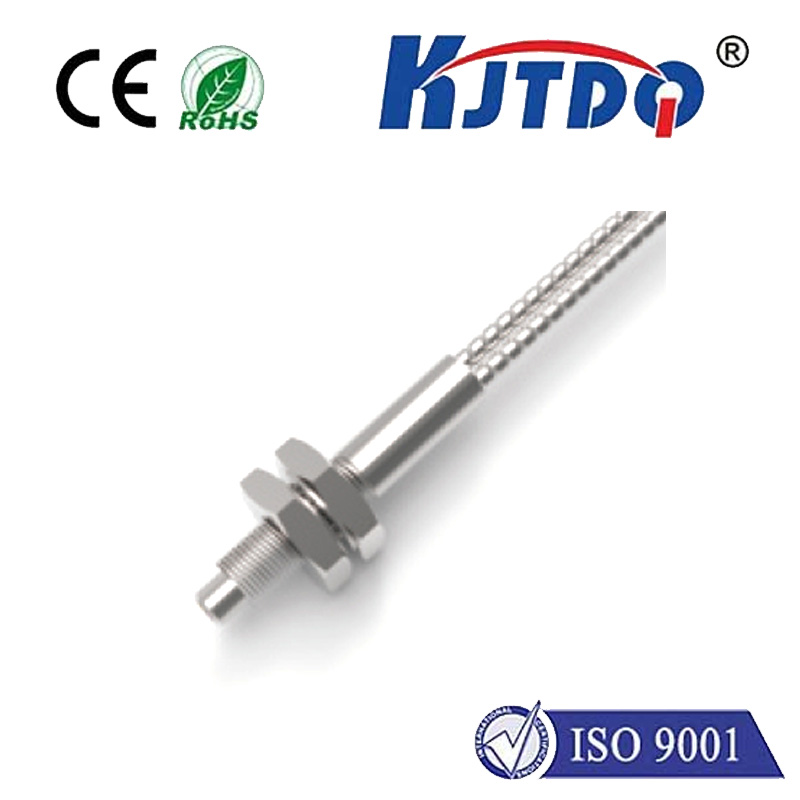
At its core, the CJF18-05NA is an inductive proximity sensor. This means it detects the presence of metallic objects without any physical contact. It operates by generating an electromagnetic field. When a metal target enters this field, it causes a change in the field's oscillations. The sensor's internal circuitry detects this change and triggers a solid-state switching signal. The "NA" in its model designation typically indicates a normally open (NO) output configuration, which is a standard and widely compatible setup for control systems.
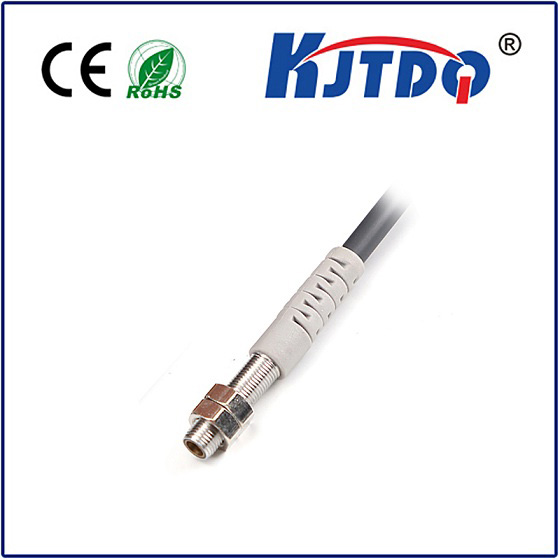
The design of the CJF18-05NA is tailored for industrial durability. Housed in a cylindrical M18 threaded barrel, it offers easy installation and a compact form factor. Its 5mm sensing distance provides an optimal range for precise detection while minimizing the risk of accidental triggering or physical damage from contact. Built to withstand the harsh realities of industrial environments, these sensors often feature robust protection against factors like dust, moisture (with common IP67 ratings), and electrical interference. This resilience translates directly into reduced downtime and lower maintenance costs, a key consideration for any operation focused on efficiency.
The applications for a sensor like the CJF18-05NA are virtually endless. It is commonly employed for position sensing, such as verifying if a robotic arm has reached its endpoint or if a cylinder is fully extended or retracted. On assembly lines, it can count metallic parts as they pass on a conveyor belt or detect the presence of a component for quality control. In packaging machinery, it ensures caps are present on bottles before filling. Its reliability makes it suitable for use in CNC machines, material handling systems, and automotive manufacturing plants. The non-contact nature of its operation eliminates wear and tear, ensuring a long operational life even in high-cycle applications.
Selecting the right sensor is crucial for system performance. When considering the CJF18-05NA or similar models, key specifications must be evaluated. The sensing distance, 5mm in this case, must match the mechanical requirements of the application. The target material is also critical; inductive sensors are designed for metals, with different detection capabilities for steel, aluminum, and copper. The operating voltage range, output type (like NPN or PNP, which determines the switching logic), and environmental protection rating (IP code) must all be compatible with the existing control system and the installation environment. Consulting the manufacturer's datasheet is an essential step in this verification process.
Installation and wiring are straightforward but require attention to detail. The M18 thread allows for easy mounting in a standard drilled and tapped hole or with a compatible mounting bracket. Proper alignment with the target is necessary to achieve the stated sensing distance. Electrical connection typically involves three wires: power supply positive, power supply negative (common), and the output signal wire. It is imperative to follow the wiring diagram provided with the sensor and ensure the power supply voltage matches the sensor's specifications to prevent damage. Shielding and proper routing of cables can help avoid electrical noise issues in sensitive environments.
Ultimately, the value of a component like the CJF18-05NA proximity sensor is measured by its impact on the overall system. It provides a fundamental layer of data—object presence or absence—that drives automated decision-making. By offering a reliable, maintenance-free method of detection, it contributes to smoother operations, improved product quality, and enhanced safety. For engineers designing new systems or maintaining existing ones, choosing a proven, durable sensor is an investment in operational stability. The CJF18-05NA, with its specific blend of range, size, and robustness, continues to be a dependable choice for achieving precise and reliable non-contact detection across a vast spectrum of industrial challenges.