check

check

check

check

check

check
In the dynamic landscape of industrial automation, the demand for precise, reliable, and durable sensing solutions is paramount. Among the key components driving efficiency and safety in manufacturing, packaging, and material handling systems are proximity sensors. The Baumer Proximity Sensor UR18.PA0 stands out as a exemplary model in this critical category, engineered to deliver exceptional performance in challenging environments. This article delves into the features, applications, and benefits of this robust sensor, illustrating why it is a preferred choice for engineers and system integrators worldwide.
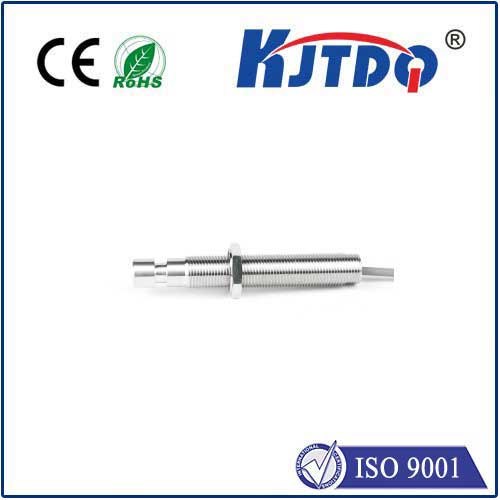
The Baumer UR18.PA0 is a cylindrical inductive proximity sensor designed for non-contact detection of metallic objects. Its compact M18 housing (18 mm diameter) makes it suitable for installations where space is at a premium. Built to withstand the rigors of industrial settings, the sensor features a robust stainless steel face and a housing rated IP67, ensuring protection against dust ingress and temporary immersion in water. This durability translates to reduced downtime and maintenance costs, a crucial factor for continuous production operations.
At the heart of the UR18.PA0's performance is its advanced sensing technology. It offers a precise switching distance of 8 mm (for mild steel), providing consistent and accurate detection. The sensor incorporates a short-circuit, overload, and reverse polarity protection circuit, safeguarding both the sensor and the connected control system from electrical faults. This inherent reliability minimizes the risk of unexpected machine stoppages. Furthermore, it operates across a wide voltage range, typically 10-30 V DC, ensuring compatibility with various industrial power supplies and PLC (Programmable Logic Controller) systems.
One of the defining characteristics of the Baumer UR18.PA0 is its high switching frequency. This capability allows it to detect objects at very high speeds, making it ideal for applications involving fast-moving parts on conveyor belts or in high-speed assembly lines. The precise and rapid response ensures that counting, positioning, and control tasks are executed with utmost accuracy, contributing to overall line efficiency and product quality control.
The application scope for the Baumer UR18.PA0 is vast. It is extensively used for position sensing of machine parts, such as checking the presence of a cylinder in its end position or monitoring the open/closed status of a gate or door. In automated packaging machinery, it reliably detects the presence of metal lids, cans, or foil seals. Within automotive manufacturing, these sensors play a vital role in robotic welding cells, part transfer systems, and final assembly verification. Their resistance to oils, coolants, and vibrations makes them indispensable in CNC machining centers and metalworking applications.
Installation and integration of the UR18.PA0 are straightforward, thanks to its standard M18 threaded barrel design and various connector options. The LED status indicator provides clear visual feedback on the sensor's operational state, facilitating quick setup and troubleshooting. Baumer's commitment to quality is evident in the sensor's long-term stability and temperature stability, ensuring consistent performance even under fluctuating environmental conditions common in factories.
Choosing the right sensor can significantly impact the productivity and safety of an automated system. The Baumer Proximity Sensor UR18.PA0 offers a compelling combination of precision, ruggedness, and reliability. Its ability to perform flawlessly in dirty, wet, or electrically noisy environments makes it a workhorse component for modern industry. By ensuring accurate object detection without physical contact, it helps prevent equipment damage, enhances process control, and supports the seamless flow of automated operations. For engineers seeking a proven and dependable sensing solution, the UR18.PA0 represents a smart investment in operational excellence and long-term system integrity.