check

check

check

check

check

check
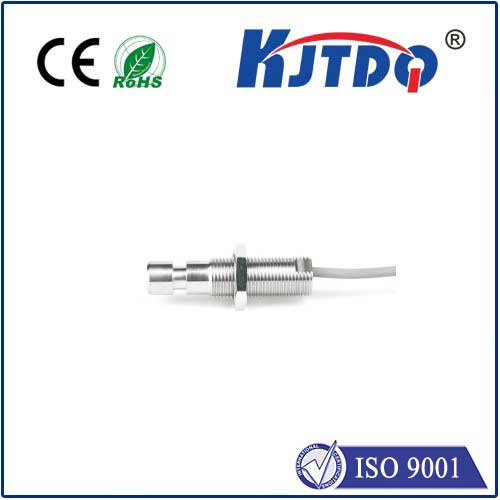
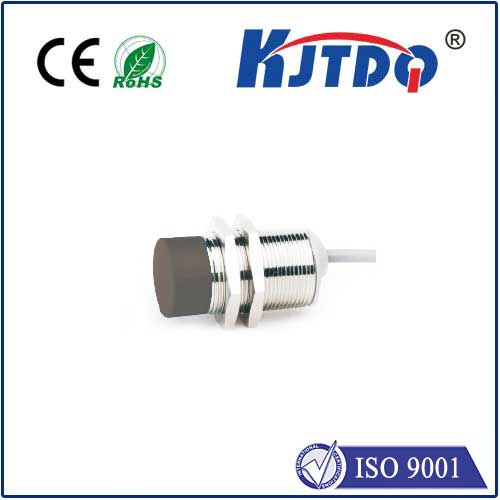
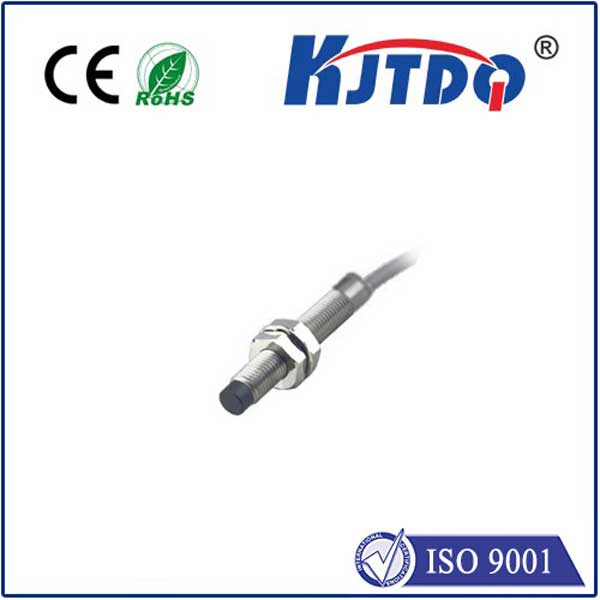
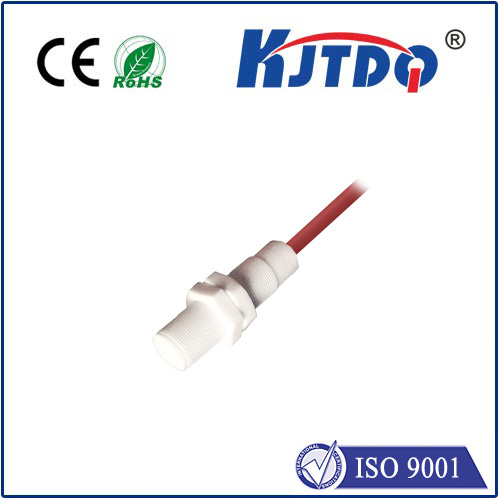
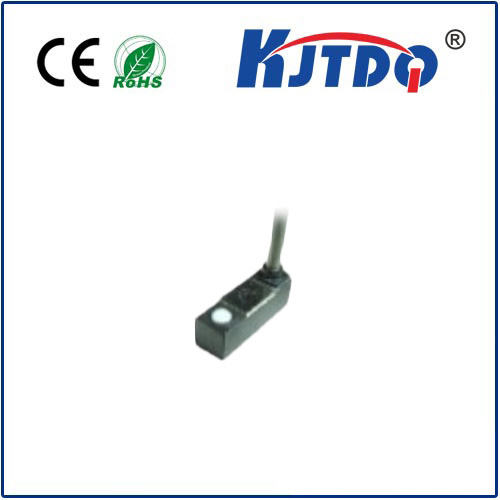
In the intricate dance of modern industrial automation and smart electronics, there exists a silent, unseen sentinel. This guardian operates without physical contact, making critical decisions in milliseconds, ensuring safety, enhancing efficiency, and enabling sophisticated functionalities. We are talking about the inductive proximity sensor, a cornerstone technology built upon the principle of electromagnetic induction. Unlike its photoelectric or capacitive counterparts, the inductive proximity sensor specializes in one primary task: detecting metallic objects. Its operation is elegantly simple yet profoundly effective. At its heart lies a coil wound around a ferrite core, which forms part of an oscillator circuit. When an alternating current flows through this coil, it generates a high-frequency electromagnetic field at the active sensing face. In the absence of a metallic target, this oscillator runs at a constant amplitude. The moment a ferrous or non-ferrous metal object enters this oscillating field, eddy currents are induced on the surface of the target. These eddy currents draw energy from the sensor's oscillator, causing a drop in its amplitude. This change is detected by the sensor's evaluation circuit, which subsequently triggers a solid-state switch to change the output state, signaling the presence of the object. This fundamental working principle grants inductive proximity sensors a set of remarkable characteristics. They are renowned for their exceptional reliability and long operational life. With no moving parts and no physical contact required, wear and tear are virtually eliminated. They are inherently robust, capable of withstanding harsh industrial environments filled with dust, oil, coolant, and vibrations that would incapacitate other sensing mechanisms. Their insensitivity to non-metallic materials like plastic, wood, or liquids makes them ideal for applications where only metal detection is desired, preventing false triggers. The applications of inductive proximity sensors are vast and integral to countless systems. On fast-moving assembly lines, they perform precise object counting and positioning of metal components. In robotic arms, they provide end-of-travel detection, ensuring movements are precise and limits are not exceeded. They serve as vital safety interlock switches on machine guards, halting operation if a door is opened. Within hydraulic systems, they monitor piston position in cylinders. In the automotive industry, they are ubiquitous, used for gear tooth detection in transmissions, crankshaft position sensing, and brake wear monitoring. Even in everyday consumer devices, such as smartphones and laptops, miniature inductive sensors detect when a flip cover is closed, triggering sleep mode. When selecting an inductive proximity sensor for a specific application, several key parameters must be considered. The sensing range, typically a few millimeters to several tens of millimeters, must be appropriate for the installation distance. The housing material, often nickel-plated brass, stainless steel, or PBT plastic, must suit the environmental conditions. The output type—NPN or PNP, normally-open or normally-closed—must be compatible with the control system's PLC or input card. Factors like switching frequency, temperature rating, and protection class (e.g., IP67 for dust and water immersion) are also critical for ensuring seamless integration and long-term performance. As Industry 4.0 and the Internet of Things (IoT) continue to evolve, the role of the inductive proximity sensor is also advancing. Modern variants come equipped with IO-Link communication, transforming them from simple binary switches into intelligent devices that can transmit detailed diagnostic data, such as operating temperature, signal strength, and device health, to higher-level control systems. This enables predictive maintenance, reducing downtime and optimizing production processes. While technologies like vision systems and lidar capture headlines, the humble inductive proximity sensor remains an indispensable, workhorse component. Its combination of simplicity, ruggedness, speed, and cost-effectiveness is unmatched for metallic object detection. It is the reliable, unseen force that keeps the wheels of industry turning smoothly, a true testament to the power of a well-applied physical principle in an increasingly digital world. From massive forging presses to delicate medical devices, the inductive proximity sensor continues to be a fundamental building block of automated and intelligent systems.