check

check

check

check

check

check
In the dynamic landscape of industrial automation, precision, reliability, and durability are non-negotiable. Among the myriad of components that keep modern production lines humming, the proximity sensor stands as a silent sentinel, ensuring seamless operations. When the conversation turns to robust and dependable sensing solutions, the Fotek proximity sensor consistently emerges as a frontrunner. This guide delves into the core of what makes Fotek a trusted name and how its proximity sensors are engineered to meet the rigorous demands of various industrial applications.
Fotek, as a brand, has built its reputation on a foundation of technological innovation and stringent quality control. Their proximity sensors are designed to detect the presence or absence of an object without any physical contact. This non-contact operation is crucial, as it eliminates mechanical wear and tear, significantly extending the sensor's lifespan and reducing maintenance downtime. The principle is elegantly simple: the sensor generates an electromagnetic field or a beam of electromagnetic radiation (like infrared light), and a change in the field or return signal triggered by a target object is detected. Fotek engineers this fundamental technology with exceptional precision.
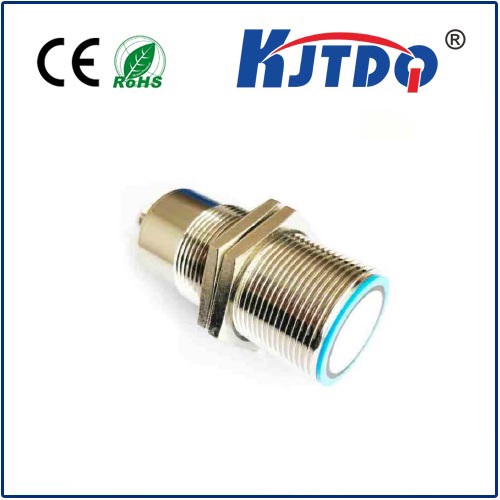
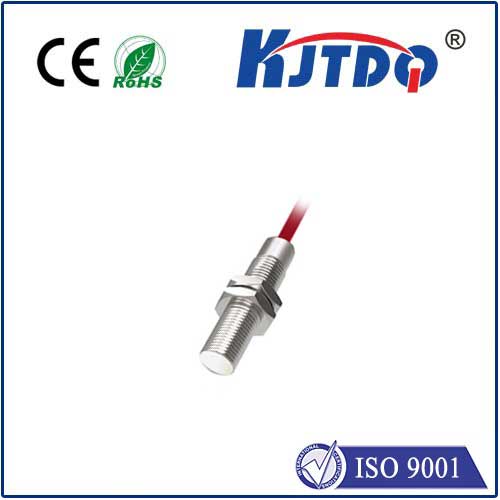
The product range is diverse, catering to different needs. Inductive proximity sensors are a staple for detecting metallic objects. Fotek's inductive sensors are renowned for their high switching frequency and exceptional resistance to environmental factors like dust, oil, and coolant splashes. Whether it's counting metal parts on a conveyor belt or confirming the position of a robotic arm, these sensors deliver consistent performance. For applications involving non-metallic materials—such as wood, plastic, glass, or liquids—Fotek offers capacitive proximity sensors. These are incredibly versatile and can even detect materials through certain non-metallic barriers, making them ideal for level detection in tanks or packaging lines.
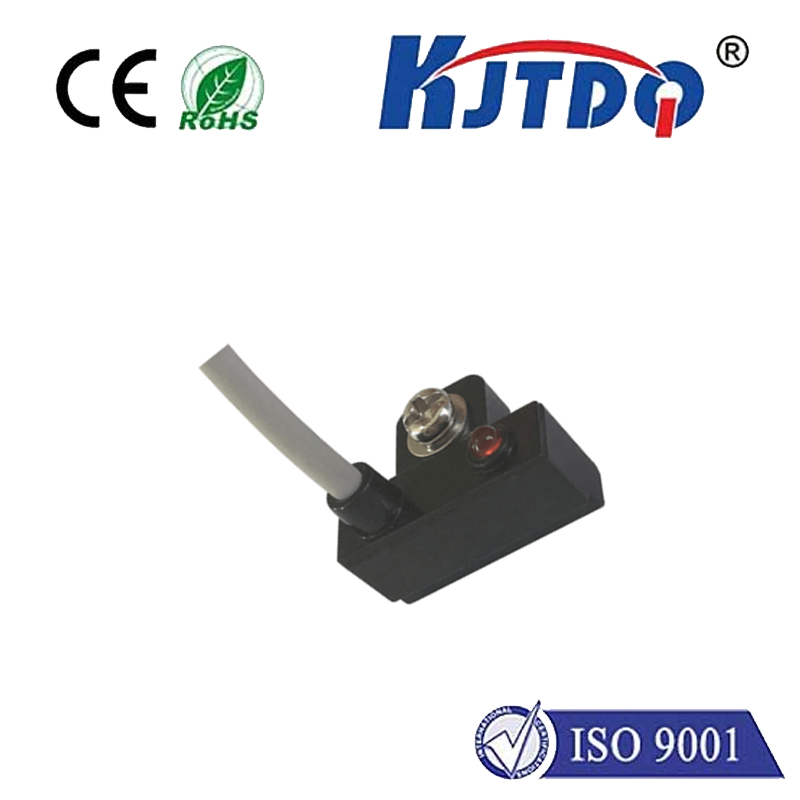
What truly sets Fotek proximity sensors apart in a competitive market is their rugged construction. Housed in robust materials like nickel-plated brass or stainless steel, they are built to withstand the harshest industrial environments. This includes exposure to extreme temperatures, strong vibrations, and potential physical impacts. This durability translates directly into cost savings, as equipment failures and unplanned stoppages are minimized. Furthermore, Fotek places a strong emphasis on ease of integration. Many models feature LED status indicators for quick diagnostics and come in various form factors (cylindrical, rectangular, etc.) and connection types (pre-wired or quick-disconnect) to fit seamlessly into existing control panels and machinery.
Consider a typical automotive assembly line. Here, Fotek inductive sensors might be deployed to verify the correct placement of engine blocks, detect the passage of chassis on a line, or ensure a welding robot is in its home position before initiating a cycle. Each detection event is a critical data point for the Programmable Logic Controller (PLC), which orchestrates the entire sequence. The reliability of each sensor is paramount; a single failure could halt the entire line, resulting in substantial financial loss. Fotek's sensors provide the assurance needed in such high-stakes scenarios.
In the food and beverage industry, where hygiene and washdowns are routine, specific Fotek sensor models with high IP (Ingress Protection) ratings are employed. These sensors can endure frequent high-pressure, high-temperature cleaning without compromising functionality, ensuring compliance with strict sanitary standards while maintaining operational efficiency. Similarly, in material handling and logistics, sensors guide automated guided vehicles (AGVs), manage warehouse sorting systems, and secure packaging processes, all relying on the unwavering detection capability that Fotek delivers.
Selecting the right Fotek proximity sensor involves a few key considerations. First, identify the target material (metal or non-metal). Next, determine the required sensing distance—this should be chosen with a margin to account for installation tolerances and potential target variations. The operating voltage (commonly 10-30V DC or 90-250V AC) must match your control system. Environmental conditions, such as temperature extremes or exposure to chemicals, will dictate the required housing material and protection rating (IP67 or IP69K for harsh environments). Finally, the output type (typically NPN or PNP for DC models) must be compatible with your PLC input module.
Ultimately, the value of a Fotek proximity sensor is measured not just by its purchase price but by its total cost of ownership. Its legendary durability reduces replacement frequency. Its accuracy prevents production errors. Its reliability maximizes uptime. For system integrators, maintenance engineers, and plant managers, choosing Fotek is a strategic decision for enhancing productivity and safeguarding operational continuity. It represents an investment in a component that works tirelessly in the background, forming the reliable sensory nervous system of a modern, efficient, and competitive industrial operation.