check

check

check

check

check

check
In the world of industrial automation, precision and reliability are non-negotiable. Among the myriad of components that keep systems running smoothly, the PNP NC proximity sensor stands out as a cornerstone of dependable object detection. This guide delves into the specifics of this sensor type, explaining its operation, key advantages, and ideal applications to help you make an informed decision for your projects.
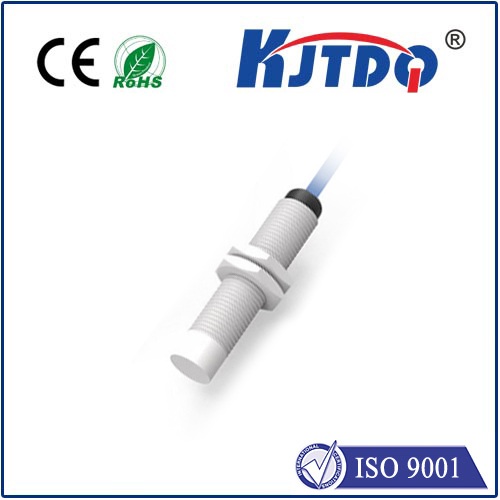
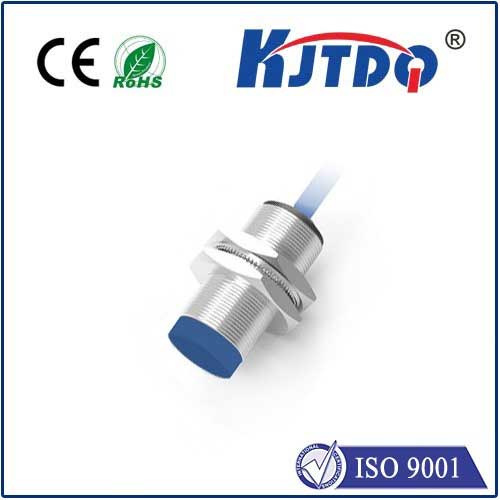
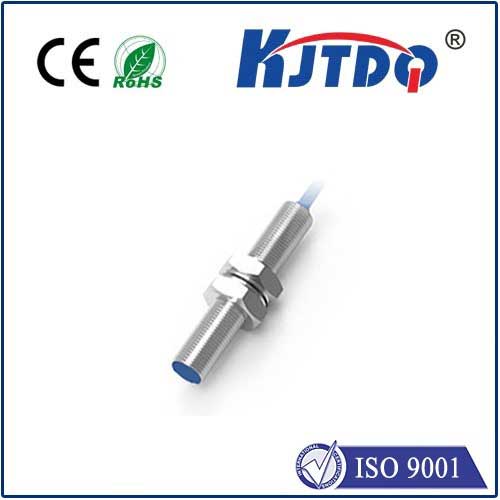
First, let's break down the terminology. "PNP" refers to the sensor's output configuration. A PNP sensor, also known as a "sourcing" sensor, switches the positive voltage to the load when an object is detected. The active output wire carries the positive supply voltage to the connected device, such as a PLC input. "NC" stands for Normally Closed. In its default state without a target present, an NC sensor allows current to flow through its circuit. When a metal object enters its sensing range, the circuit opens, and the current flow stops. This "break-to-make" or "open on detection" logic is a critical safety feature in many designs. A "proximity sensor" indicates it detects objects without physical contact, typically using an electromagnetic field for metallic targets.
The combination of PNP output and NC switching logic creates a sensor with distinct operational characteristics. When no target is present, the output is "ON" (conducting). When a target enters the sensing field, the output switches "OFF". This behavior is the inverse of the more common Normally Open (NO) type. This NC function is often specified for fail-safe applications. For instance, if the sensor's wiring is cut or it suffers a power failure, the signal is lost, which can be programmed to trigger a safety shutdown or alarm, indicating a fault condition. This makes PNP NC sensors highly valuable in scenarios where a missing signal must indicate a problem.
Why choose a PNP NC proximity sensor? The benefits are clear. The primary advantage is enhanced safety and fail-safe operation, as mentioned. In a machine guarding application, an NC sensor monitoring a safety gate would trigger a stop if the gate is opened (sensor sees metal) or if the sensor itself fails. This inherent safety is paramount. Furthermore, PNP sensors are commonly used in Europe and with many PLCs that are designed to accept sourcing inputs. They offer excellent noise immunity and stable performance in demanding industrial environments characterized by vibration, dust, and moisture, especially when housed in robust metal or IP67-rated enclosures.
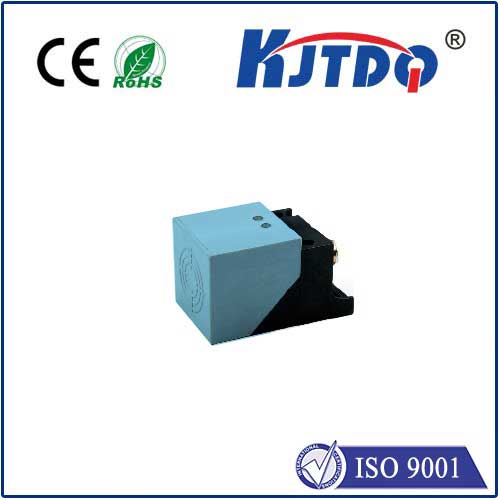
Typical applications for PNP NC inductive proximity sensors are found wherever reliable detection and safety are intertwined. They are frequently used as end-of-travel limit switches in automated machinery, where a loss of signal indicates the actuator has reached its safe limit. In conveyor systems, they can monitor for jams; if an object is detected for too long (sensor stays off), a fault is signaled. They are also integral to safety interlock systems on doors, guards, and enclosures. The metal sensing capability makes them perfect for detecting the presence or absence of tools, parts, or machine components in assembly and machining lines.
When selecting and installing a PNP NC sensor, several factors require attention. Ensure the sensing distance, or "sn," is appropriate for your application, considering factors like target material and size. Always refer to the datasheet for exact specifications. Correct wiring is crucial. The brown wire (typically) connects to the positive supply voltage (+V), the blue wire to the common negative (0V), and the black wire is the PNP output. For an NC sensor, the black wire will show supply voltage when the target is absent. A load (like a PLC input) is connected between the black wire and 0V. Always implement proper electrical shielding and keep cables away from high-voltage lines to prevent electrical interference.
In summary, the PNP NC proximity sensor is a specialized, robust component designed for reliability and safety-critical detection tasks. Its Normally Closed operation provides a logical fail-safe condition, while the PNP sourcing output is compatible with a wide range of control systems. Understanding its principle—active output with target absent, inactive upon detection—is key to successful implementation. For engineers and technicians designing systems where operational integrity is paramount, specifying a high-quality PNP NC proximity sensor is a step toward building more resilient and safer automation solutions. Its role in ensuring continuous, fault-aware operation makes it an unsung hero on the factory floor.