check

check

check

check

check

check
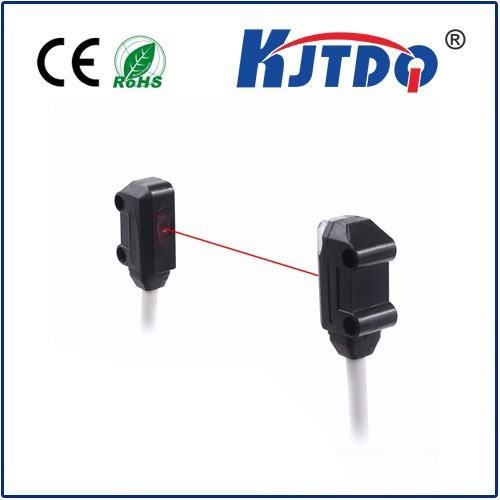
In the seamless operation of our daily digital companions—from smartphones that dim their screens during calls to cars that warn of nearby obstacles—lies a silent, yet crucial, technology: the proximity sensor. This unassuming component is a cornerstone of modern user experience, enabling devices to perceive their immediate physical environment without direct contact. At its core, a proximity sensor detects the presence or absence of nearby objects, typically by emitting an electromagnetic field or a beam of electromagnetic radiation (like infrared light) and then monitoring for changes in the field or the return signal.
The most common implementation is the infrared (IR) proximity sensor. In a smartphone, a small IR LED emits a beam of light. When an object, such as your ear during a phone call, comes close, the light reflects back to a dedicated IR receiver. The sensor's microcontroller measures this reflection, determining the object's proximity. This simple action triggers the screen to turn off, preventing accidental cheek-presses and saving battery life. This is a prime example of how sensor proximity technology enhances both functionality and efficiency.
Beyond smartphones, the applications are vast and growing. In the automotive industry, proximity sensors are integral to parking assistance systems and blind-spot detection. They create a safety bubble around the vehicle, alerting drivers to unseen hazards. In industrial automation, they ensure worker safety by halting heavy machinery when a person gets too close. Retail environments use them to trigger welcome messages or informational displays as customers approach. Even in smart homes, they can control lighting, turning it on when someone enters a room and off when the space is vacant, contributing to energy conservation.
The evolution of sensor proximity technology is marked by increased accuracy, miniaturization, and integration. Early sensors were larger and could be fooled by certain materials or colors. Modern variants, often combining proximity sensing with ambient light detection, are more sophisticated. They can differentiate between intentional proximity (a phone to the ear) and accidental nearness (inside a pocket), thanks to advanced algorithms and calibration. Furthermore, the rise of Time-of-Flight (ToF) sensors, which measure the time it takes for light to bounce back, provides even more precise distance measurements, enabling features like gesture control and enhanced augmented reality experiences.
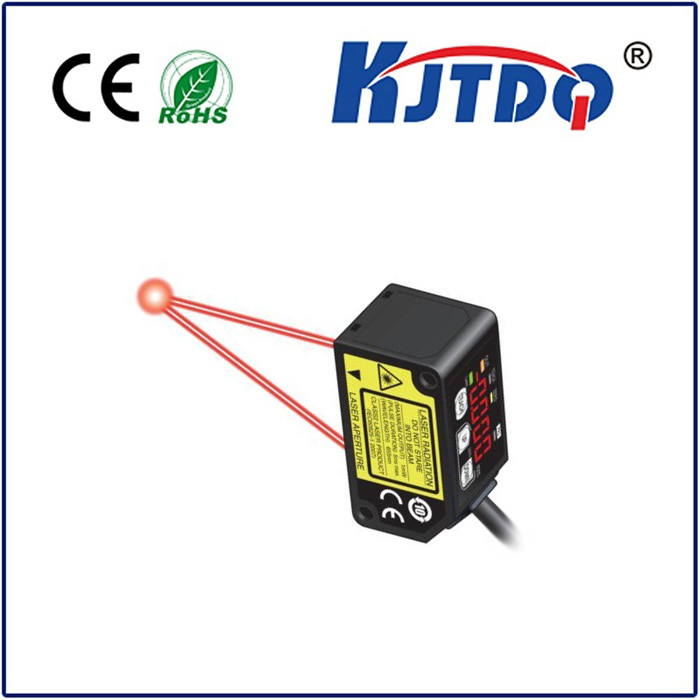
For designers and engineers, selecting the right proximity sensor involves several considerations. The sensing range, response time, environmental robustness (against dust, moisture, or varying light conditions), and power consumption are critical parameters. An industrial sensor on a factory floor requires a longer range and higher durability than one in a consumer smartphone. The choice between IR, ultrasonic, capacitive, or laser-based sensors depends entirely on the specific use case, target material, and required precision.
Looking ahead, the future of sensor proximity is intertwined with the Internet of Things (IoT) and ambient intelligence. As devices become more interconnected, the contextual awareness provided by proximity sensors will be key. Imagine a workspace where your computer wakes up as you approach your desk, or a warehouse where inventory management is fully automated by sensors tracking item movement. The technology will become less visible but more perceptive, creating intuitive and responsive environments.
However, this advancement also brings challenges, particularly concerning power management for always-on sensors in battery-powered devices and ensuring data privacy in public sensing applications. Continuous innovation focuses on developing lower-power sensor designs and robust privacy-by-design frameworks.
In conclusion, sensor proximity technology is far more than a minor feature for disabling smartphone screens. It is a fundamental enabling technology that bridges the physical and digital worlds, making our interactions with devices safer, more efficient, and intuitively responsive. From preventing accidental touches to enabling complex industrial automation and future ambient computing, the humble proximity sensor remains an indispensable component in our increasingly smart world, quietly shaping our daily experiences.