check

check

check

check

check

check
In the realm of industrial automation and electronic design, the selection of the right sensor output configuration is critical for system reliability and integration. Among the various types, the PNP output proximity sensor stands out as a prevalent and robust solution. This article delves into the fundamentals, advantages, and typical applications of PNP proximity sensors, providing essential insights for engineers and procurement specialists.
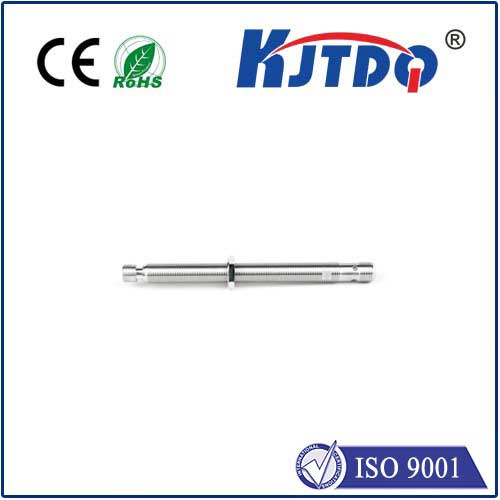
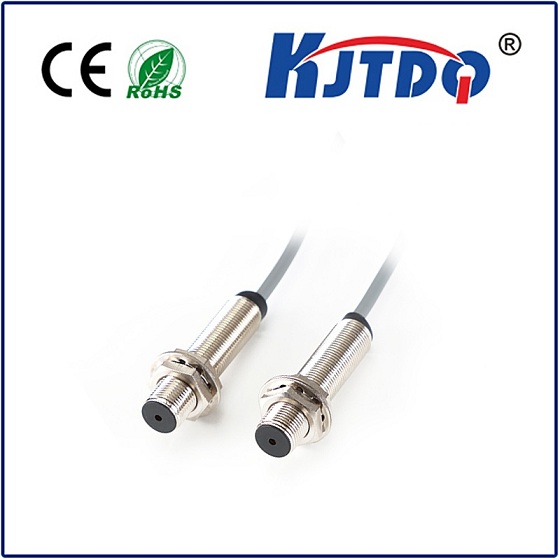
A proximity sensor is a non-contact device that detects the presence or absence of an object within its sensing range. The term "PNP" refers to the type of transistor output used in the sensor's switching circuit. In a PNP configuration, the output transistor switches the positive voltage supply line. When an object is detected within the sensor's range, the PNP transistor turns on, allowing current to flow from the sensor's output terminal to the load, which is then connected to the common ground (0V). Essentially, the sensor provides a positive signal upon detection. This is in contrast to an NPN sensor, which switches the ground or negative line.
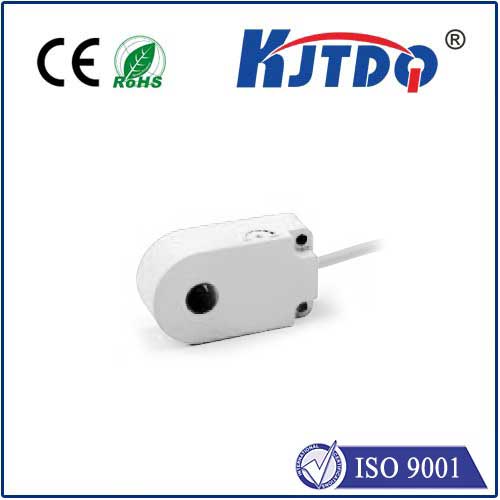
The operational principle of a PNP proximity sensor is straightforward yet effective. Internally, the sensor consists of an oscillator, a demodulator, a trigger circuit, and the output switching circuit. The oscillator generates a high-frequency electromagnetic field at the sensor's active face. When a metallic or other detectable object enters this field, it causes eddy currents, damping the oscillation. This change is detected by the demodulator, which then signals the trigger circuit to activate the PNP output transistor. This action closes the circuit between the positive supply and the output wire, signaling the connected controller, such as a PLC (Programmable Logic Controller), that an object has been detected.
Choosing a PNP output configuration offers several distinct benefits, particularly in certain wiring conventions and safety applications. One primary advantage is its compatibility with "sourcing" input modules on PLCs, which are designed to receive a positive voltage signal. Wiring is often considered more intuitive in many regions, especially in Europe and for many international machine designs, as the load is connected between the sensor output and ground. This can sometimes simplify troubleshooting, as a measured voltage at the output wire (relative to ground) directly indicates an active state. Furthermore, in some safety-related circuits, having an active-high signal (a positive voltage when triggered) can align better with fail-safe design principles, where a broken wire results in a loss of the signal, clearly indicating a fault condition.
PNP proximity sensors are ubiquitous across numerous industries. In automotive manufacturing, they are used for part presence verification on assembly lines, ensuring components like pistons or gears are correctly positioned before a robotic arm engages. Within packaging machinery, these sensors count bottles or boxes, triggering the next stage of the packaging process. They are integral to material handling systems, detecting the position of pallets on conveyors or the open/closed status of doors and guards for operator safety. In CNC machining centers, PNP sensors provide precise tool positioning feedback and monitor workpiece clamping.
When integrating a PNP proximity sensor into a system, several practical considerations are paramount. First, ensure the power supply voltage (commonly 10-30V DC) matches both the sensor and the PLC input module specifications. Correct wiring is essential: the brown wire (typically) connects to the positive voltage supply, the blue wire to the common ground (0V), and the black wire is the PNP output signal that goes to the PLC input. The load (the PLC input) is connected between this black wire and ground. Always pay attention to the sensor's sensing distance, switching frequency, and environmental ratings (like IP67 for dust and water resistance) to ensure it meets the application's demands. Proper mounting, avoiding metal-to-metal contact for inductive sensors, and regular maintenance checks for debris buildup are crucial for long-term, reliable operation.
Understanding the difference between PNP and NPN is a fundamental step in sensor selection. While PNP sensors source current, NPN sensors sink it. The choice often depends on the prevailing regional standards, the design of the control system's input cards, and sometimes the desired logic state for safety. It is a common misconception that one is universally superior; rather, each has its place, and the decision should be based on the specific requirements of the control circuit design.
In conclusion, the PNP proximity sensor is a cornerstone of modern industrial sensing. Its design, which provides a positive switching signal, offers reliability, straightforward integration with common control systems, and aligns with many international wiring practices. For engineers specifying components for a new production line or technicians maintaining existing equipment, a solid grasp of PNP sensor technology—its operation, benefits, and correct installation—is indispensable for creating efficient, safe, and responsive automated systems. As technology evolves, the core reliability of this output configuration ensures its continued relevance in the interconnected landscape of Industry 4.0.