check

check

check

check

check

check
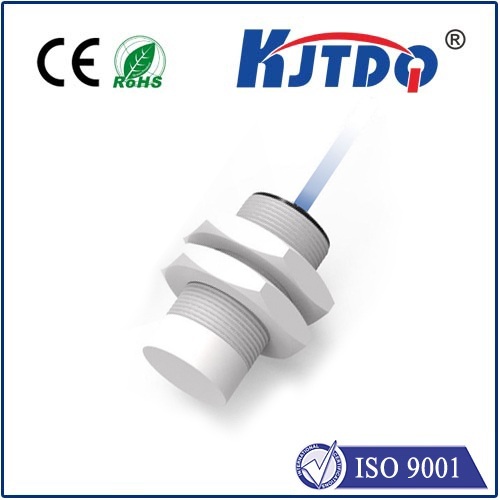
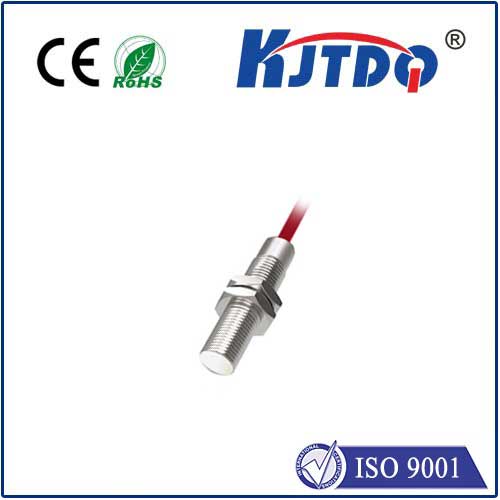
In the rapidly evolving landscape of industrial automation, precision, reliability, and durability are non-negotiable. The Proximity Switch Sensor XS618B4PAL2 stands as a pivotal component engineered to meet these stringent demands. This inductive proximity sensor is designed for non-contact detection of metallic objects, offering a robust solution for a myriad of applications in manufacturing, packaging, material handling, and automotive assembly lines.
The XS618B4PAL2 model exemplifies advanced sensing technology. Its core functionality relies on generating an electromagnetic field. When a metallic target enters this field, it induces eddy currents within the sensor, triggering a switching signal. This principle allows for exceptionally accurate detection without physical contact, thereby eliminating mechanical wear and tear, reducing maintenance costs, and significantly enhancing operational longevity. The sensor is particularly noted for its consistent performance even in challenging industrial environments characterized by dust, moisture, and vibrational stresses.
A key feature of the XS618B4PAL2 is its specific design parameters. It typically operates with a defined sensing range, optimized for precise positioning tasks. The "B4" designation often relates to its flush-mounting capability, allowing it to be installed embedded in metal without a reduction in its sensing distance, a critical factor for space-constrained installations. The housing is constructed from high-grade materials like nickel-plated brass or stainless steel, providing superior resistance to corrosion, chemicals, and physical impacts. This rugged construction ensures uninterrupted performance in harsh conditions, from foundries to food processing plants.
Electrical integration is streamlined for efficiency. The sensor operates on standard DC voltage ranges and features a PNP normally open (NO) switching output, denoted by the "PAL2" suffix in many coding systems. This configuration is widely compatible with programmable logic controllers (PLCs) and other industrial control systems, facilitating seamless integration into existing automation networks. The inclusion of a LED status indicator provides immediate visual feedback for diagnostics and setup, simplifying installation and troubleshooting processes.
The practical benefits of deploying the Proximity Switch Sensor XS618B4PAL2 are substantial. In automated production lines, it ensures precise counting, positioning, and end-position monitoring of machine parts. For instance, in robotic arms, it verifies the correct placement of components before a welding or assembly operation proceeds, preventing costly errors and production halts. In conveyor systems, it detects the presence or absence of products, enabling automated sorting and packaging. Its high switching frequency allows it to keep pace with high-speed machinery, maintaining throughput without sacrificing accuracy.
Beyond basic detection, this sensor contributes to enhanced safety protocols. By reliably monitoring machine guards, doors, or movable parts, it can provide essential input to safety circuits, helping to prevent accidental startups or access to hazardous areas during operation. This functionality is integral to compliance with international industrial safety standards.
Selecting the right sensor is crucial for optimal system performance. The XS618B4PAL2 is tailored for applications requiring a reliable, flush-mountable inductive sensor for metal detection. Engineers and system integrators value its repeat accuracy and long-term stability, which minimize downtime and contribute to overall equipment effectiveness (OEE). When sourcing this component, it is imperative to consult the manufacturer's detailed datasheet for exact specifications, including voltage ratings, current load, temperature operating range, and connection type, to ensure perfect compatibility with the intended application.
In conclusion, the Proximity Switch Sensor XS618B4PAL2 is more than just a component; it is a cornerstone of modern industrial automation. Its robust design, precise non-contact sensing, and easy integration empower manufacturers to build smarter, more efficient, and more reliable automated systems. By ensuring accurate detection in tough environments, it drives productivity, reduces waste, and supports the continuous advancement of Industry 4.0 initiatives, solidifying its role as an indispensable tool in the engineer's arsenal.