check

check

check

check

check

check
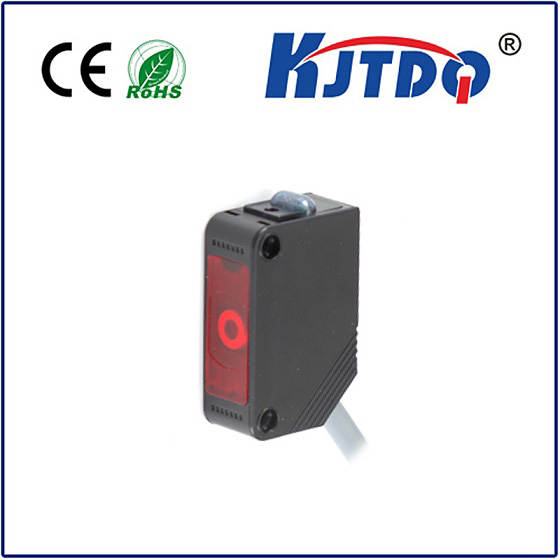
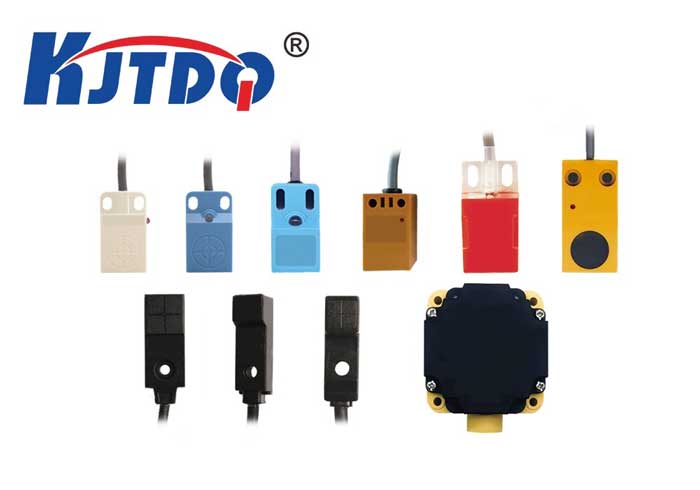
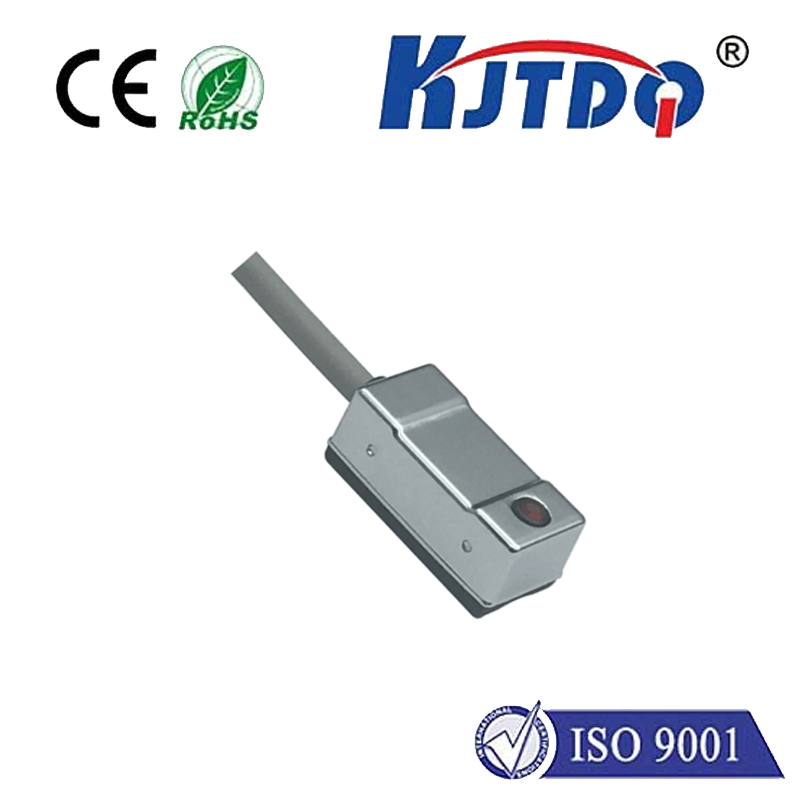
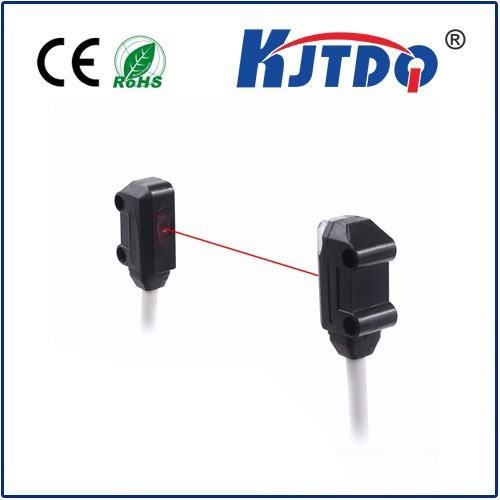
In today's fast-paced technological landscape, the mini proximity sensor has emerged as a critical component across various industries, from consumer electronics to industrial automation. These compact devices, often no larger than a coin, are designed to detect the presence or absence of objects within a specific range without physical contact. By utilizing technologies such as infrared, ultrasonic, or capacitive sensing, mini proximity sensors offer precise and reliable performance in environments where space is limited and accuracy is paramount.
One of the primary applications of mini proximity sensors is in smartphones and wearable devices. They enable features like automatic screen dimming during calls or gesture-based controls, enhancing user experience while conserving battery life. In automotive systems, these sensors contribute to safety by detecting obstacles during parking or monitoring seat occupancy for airbag deployment. The industrial sector benefits significantly as well, with mini proximity sensors integrated into assembly lines for object detection, quality control, and robotic guidance, ensuring efficiency and reducing downtime.
The advantages of mini proximity sensors extend beyond their small size. They are known for their low power consumption, making them ideal for battery-operated devices. Additionally, their non-contact nature minimizes wear and tear, leading to longer lifespans and reduced maintenance costs. With advancements in materials and manufacturing, modern mini proximity sensors are becoming more affordable and adaptable, allowing for customization to meet specific application needs. For instance, in healthcare, they are used in medical equipment for precise positioning or in smart home devices for automation, such as lighting control based on occupancy.
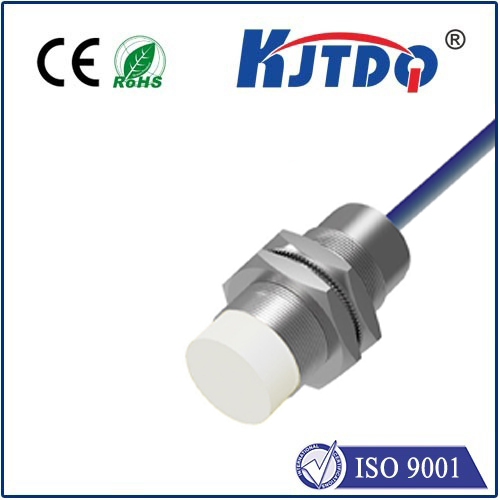
Despite their benefits, selecting the right mini proximity sensor requires consideration of factors like detection range, environmental conditions, and output type. For example, capacitive sensors are suitable for detecting non-metallic objects, while inductive sensors excel with metals. It is essential to consult with experts or refer to technical datasheets to ensure compatibility with your project. As technology evolves, the integration of mini proximity sensors with IoT and AI systems is opening new possibilities, from predictive maintenance in factories to enhanced accessibility in smart cities.
In conclusion, the mini proximity sensor represents a cornerstone of innovation, driving progress in numerous fields by providing seamless, contactless detection. Its versatility and efficiency make it an indispensable tool for engineers and developers aiming to create smarter, more responsive products. Whether in everyday gadgets or complex industrial setups, these sensors continue to shape the future of automation and connectivity, proving that even the smallest components can have a profound impact.