check

check

check

check

check

check
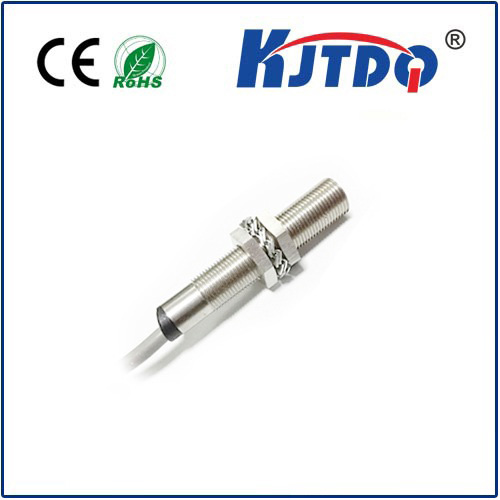
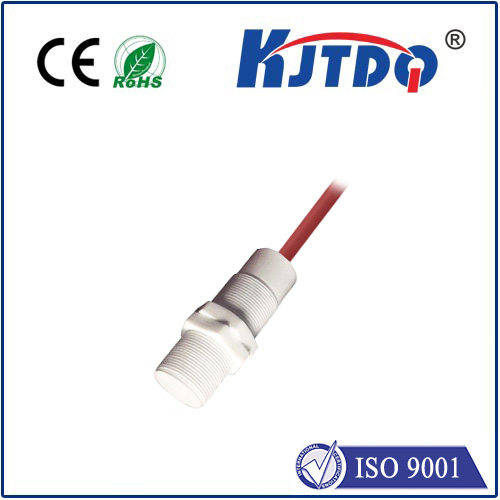
In modern industrial automation, the demand for reliable, precise, and durable sensing solutions is paramount. Among the various technologies available, the inductive sensor proximity switch stands out as a cornerstone for countless applications. This device, often simply called an inductive proximity sensor, operates without physical contact, detecting the presence or absence of metallic objects through an electromagnetic field. Its robustness in harsh environments—resistant to dust, oil, and moisture—makes it an indispensable component in manufacturing, packaging, material handling, and automotive assembly lines.
The core principle behind an inductive proximity switch is electromagnetic induction. The sensor generates a high-frequency oscillating electromagnetic field from its active face. When a metallic target enters this field, eddy currents are induced on the target's surface. This causes a change in the oscillation amplitude within the sensor's internal circuit. The sensor's electronics detect this change and trigger a solid-state output switch, signaling the object's presence. This non-contact operation eliminates mechanical wear and tear, ensuring a long operational life and minimal maintenance. Common output types include NPN, PNP, normally open (NO), and normally closed (NC) configurations, offering flexibility for integration with various programmable logic controllers (PLCs) and control systems.
Selecting the right inductive sensor involves several key specifications. The sensing range, typically from a few millimeters to several tens of millimeters, must be chosen based on the application's required detection distance. The target material is also crucial; while ferrous metals like steel provide the longest sensing ranges, non-ferrous metals such as aluminum, copper, or brass have reduced ranges due to different electromagnetic properties. Factors like switching frequency (how quickly the sensor can detect objects), housing material (often nickel-plated brass or stainless steel for durability), and environmental protection ratings (like IP67 or IP69K for water and dust resistance) are critical for optimal performance.
The advantages of using inductive proximity switches are numerous. Their solid-state design ensures high reliability and fast response times, often in the microsecond range, which is essential for high-speed counting or positioning tasks. They are immune to ambient light, color, or surface finish of the target, focusing solely on metallic presence. This makes them exceptionally reliable compared to optical sensors in dirty or foggy conditions. Furthermore, their self-contained design means no moving parts to jam or break, leading to reduced downtime and lower total cost of ownership.
Practical applications are vast. On a conveyor line, an inductive sensor can count metal parts, detect the position of a robotic arm, or confirm the closure of a metal door or hatch. In machine tools, they are used for tool wear detection, end-of-travel limits, and spindle positioning. The automotive industry relies on them for weld nut detection, robot guidance, and component verification. Their versatility extends to food and beverage processing (in stainless steel versions) and even in aggressive chemical environments with specialized housing materials.
Integration and installation are straightforward but require attention to detail. Proper mounting, ensuring the correct distance from the target and avoiding mutual interference between multiple sensors mounted closely, is vital. Shielding types (shielded or unshielded) affect the sensor's behavior; shielded sensors can be flush-mounted in metal, while unshielded ones offer a longer range but require non-metallic surroundings. Regular checks for accumulated metallic debris on the sensor face are recommended to prevent false triggering.
Looking ahead, advancements in inductive sensor technology continue. Modern sensors feature improved noise immunity, wider operating temperature ranges, and enhanced diagnostics like IO-Link communication, which allows for parameter setting, condition monitoring, and predictive maintenance data exchange. This smart functionality aligns with Industry 4.0 initiatives, transforming a simple switch into a data point for optimizing entire production processes.
In conclusion, the inductive sensor proximity switch remains a fundamental, reliable workhorse in industrial automation. Its non-contact sensing of metals provides a critical link between the physical movement of machinery and the digital control system, ensuring efficiency, safety, and precision. For engineers and system integrators, understanding its operating principles, selection criteria, and application best practices is key to designing robust and future-proof automated systems. The continued evolution of this technology promises even greater integration and intelligence for the factories of tomorrow.