check

check

check

check

check

check
In the world of industrial automation and machinery, precision and reliability are non-negotiable. Among the myriad of components that ensure seamless operation, the small inductive proximity sensor stands out as a fundamental yet powerful element. This compact device is engineered to detect the presence or absence of metallic objects without any physical contact, making it indispensable in countless applications where durability, speed, and accuracy are paramount.
At its core, a small inductive proximity sensor operates on a simple electromagnetic principle. It contains a coil wound around a ferrite core, an oscillator, a signal evaluator, and an output switching circuit. When an alternating current flows through the coil, it generates an oscillating electromagnetic field around the sensor's active face. When a metallic object, such as steel, aluminum, or brass, enters this field, eddy currents are induced on the surface of the target. This causes a change in the oscillation amplitude, which is detected by the sensor's circuitry. This change triggers the sensor's output state to switch, sending a signal to the connected control system like a PLC. The entire process happens in microseconds, enabling high-speed detection and response.
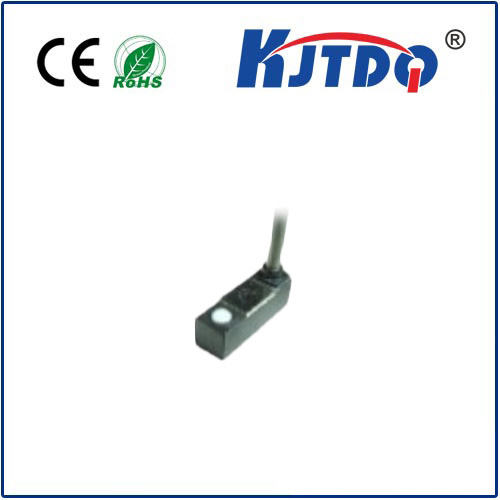
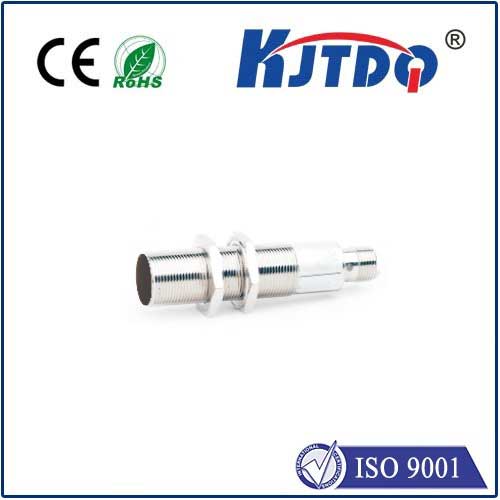
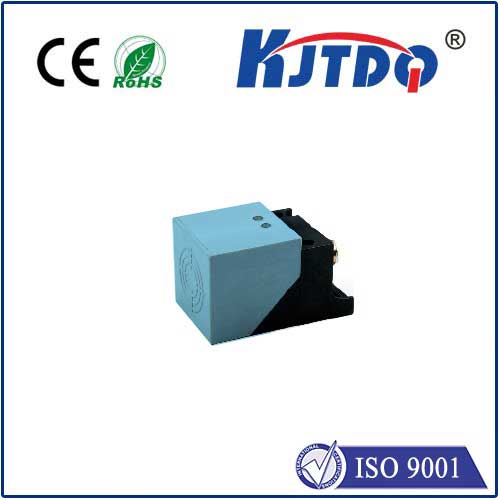
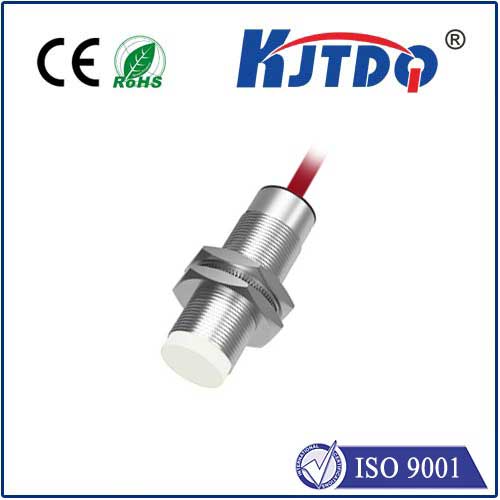
The defining characteristic of these sensors is their miniature size. Typical housings can be as small as M5, M8, or M12 cylindrical forms, or in compact rectangular blocks. This small footprint allows for installation in extremely tight spaces where larger sensors simply cannot fit. Despite their size, they are remarkably robust. Encased in materials like nickel-plated brass, stainless steel, or high-grade PBT plastic, they are built to withstand harsh industrial environments. They are resistant to dust, dirt, oils, coolants, and even brief exposure to washdowns, ensuring consistent performance on factory floors, packaging lines, and robotic cells.
One of the most significant advantages of the inductive principle is its exceptional reliability. Since detection is based on a physical electromagnetic phenomenon and involves no moving parts, the sensor is immune to wear and tear from mechanical contact. This translates to a dramatically longer operational lifespan compared to mechanical limit switches. There is no physical arm to bend or contact to degrade, leading to reduced maintenance costs and less machine downtime. Furthermore, the non-contact nature means there is no risk of damaging the target object or the sensor itself during operation.
The applications for small inductive proximity sensors are vast and varied. They are the silent workhorses in assembly lines, verifying the presence of metal components like screws, nuts, or brackets before a robotic arm proceeds with its task. In CNC machining centers, they are used as homing or limit switches to establish precise tool or axis positions. Within automated packaging machinery, they count metal lids or detect the position of cans on a conveyor. They also play a critical role in safety systems, such as verifying the closed position of metal guards or doors on machinery before operation can commence.
When selecting a small inductive proximity sensor for a specific task, several key specifications must be considered. The sensing distance, or nominal range, is crucial and is typically a few millimeters for these compact units. It's important to note that this range can vary slightly depending on the target material's type and size; ferrous metals like iron and steel are detected at the full nominal range, while non-ferrous metals like aluminum or copper may require a reduced sensing distance. The sensor's output type—whether NPN (sinking) or PNP (sourcing)—must be compatible with the control system's input module. Other factors include the switching frequency (how fast it can detect objects), the housing style for proper mounting, and environmental ratings like IP67 for protection against dust and temporary immersion.
Installation and wiring are generally straightforward, but attention to detail ensures optimal performance. Maintaining the proper clearance around the sensor's active face is essential to prevent false triggers from nearby metal structures, a consideration known as the "flush-mountable" or "non-flush-mountable" design. Proper shielding and routing of cables can help mitigate electrical noise interference in environments with variable frequency drives or welding equipment.
In conclusion, the small inductive proximity sensor is a testament to the power of elegant engineering. Its ability to provide unwavering, high-speed detection of metallic objects in a tiny, rugged package makes it a cornerstone of modern industrial automation. By offering a perfect blend of reliability, longevity, and precision, it solves fundamental control and monitoring challenges, contributing directly to enhanced productivity, improved quality control, and more efficient manufacturing processes. For engineers and maintenance professionals, understanding and leveraging this versatile component is key to building smarter, more resilient automated systems.