check

check

check

check

check

check
In the rapidly evolving landscape of industrial automation and smart device integration, the demand for reliable, precise, and efficient sensing solutions has never been higher. Among the myriad of components that enable this technological advancement, proximity sensors stand as critical elements. The Proximity Sensor M4 emerges as a standout solution, engineered to meet the rigorous demands of modern applications. This guide delves into the core technology, operational principles, and diverse applications of the M4 series, highlighting why it represents a significant leap forward in non-contact detection.
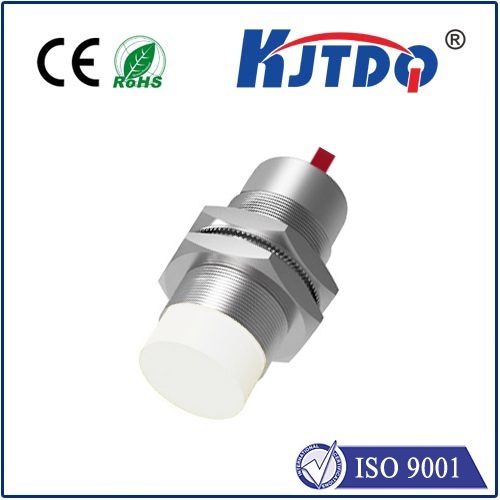
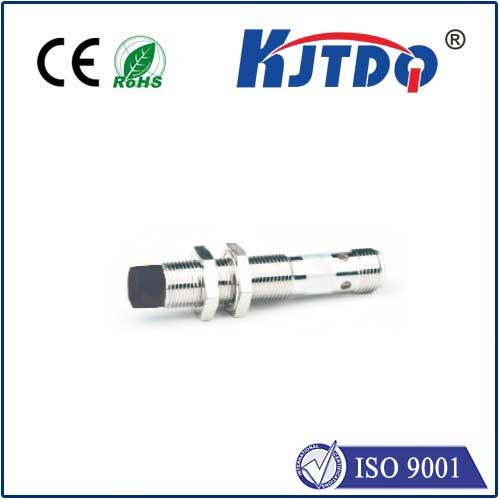
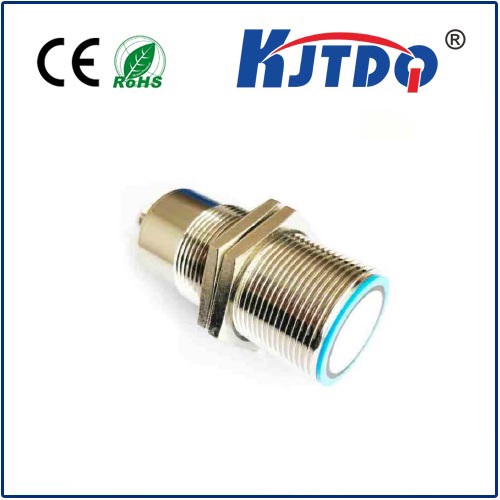
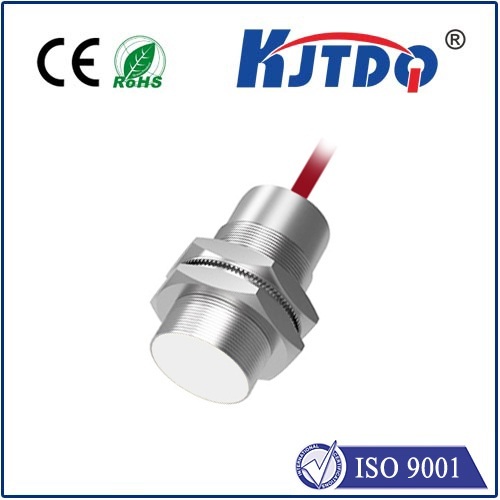
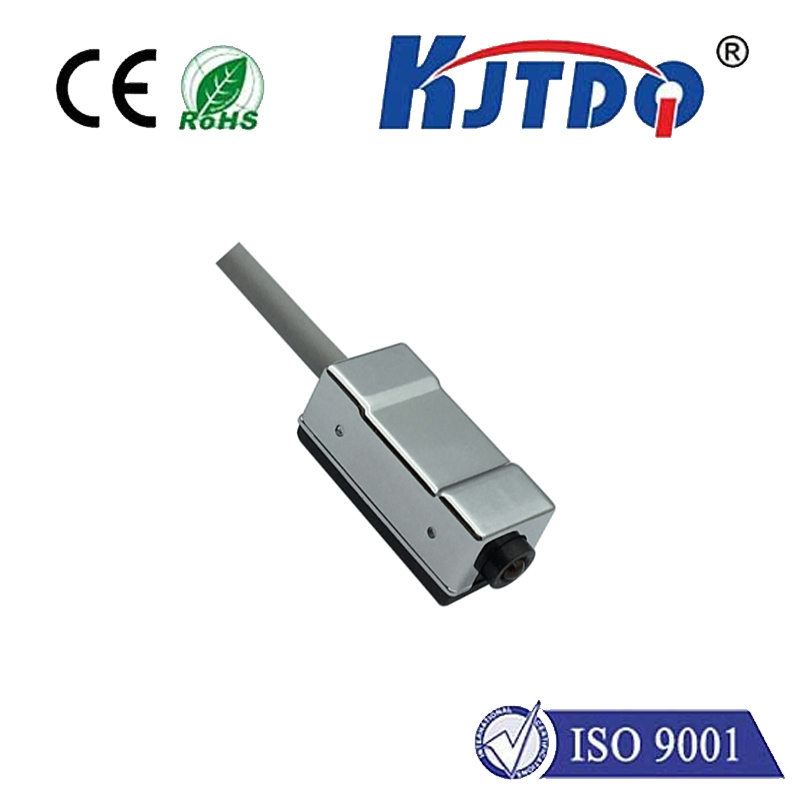
At its heart, the Proximity Sensor M4 is an inductive sensor, a type of non-contact electronic device designed to detect the presence or absence of metallic objects without any physical contact. The "M4" designation often refers to a specific thread size (M4 x 0.7), indicating a compact, cylindrical form factor ideal for installations where space is at a premium. This compact design, however, does not compromise its performance. The sensor operates on the principle of electromagnetic induction. It contains an oscillator circuit that generates a high-frequency electromagnetic field at its active face. When a metallic object enters this field, eddy currents are induced on the surface of the target. These currents absorb energy from the oscillator, causing a change in its amplitude. The sensor's internal circuitry detects this change and triggers a solid-state switch, sending a clear digital signal to the connected control system, such as a PLC (Programmable Logic Controller).
The technical specifications of the Proximity Sensor M4 are tailored for precision and durability. Key parameters include its sensing range, which is typically short (often a few millimeters) but highly accurate and repeatable, ensuring consistent detection even in high-speed operations. It commonly features a shielded (flush-mountable) design, allowing it to be embedded in metal without affecting its sensing field, a crucial feature for robust industrial setups. The sensor is built to withstand harsh environments, boasting high ingress protection (IP) ratings like IP67, which guarantees resistance to dust and temporary immersion in water. Furthermore, it operates reliably across a wide temperature range and is resistant to common industrial contaminants like oils and coolants. Electrical outputs are typically NPN (sinking) or PNP (sourcing) configurations, with options for normally open (NO) or normally closed (NC) contacts, providing flexibility for various circuit designs.
The application spectrum for the Proximity Sensor M4 is remarkably broad, underscoring its versatility. In automated manufacturing lines, it is indispensable for tasks such as part positioning, end-of-travel detection for robotic arms, and counting metallic components on conveyor belts. Within the automotive industry, these sensors ensure precise assembly by verifying the presence of engine parts or confirming the closure of doors and panels. In packaging machinery, they detect the position of foil lids or metal caps. Beyond heavy industry, the M4 sensor finds use in consumer electronics for features like lid-open detection in laptops or position sensing in compact devices. Its reliability makes it a cornerstone for safety interlocks on machinery doors, preventing operation when guards are open.
Selecting and implementing the Proximity Sensor M4 requires attention to several factors. First, the target material is paramount; standard inductive sensors like the M4 are optimized for ferrous metals (like iron and steel) and offer a shorter range for non-ferrous metals (like aluminum or copper). The required sensing distance should be chosen with a safety margin, typically 70-80% of the rated nominal range, to account for mechanical tolerances and temperature drift. The mounting environment is critical; a shielded M4 sensor is necessary when installed flush with or surrounded by metal to prevent false triggers. Electrical compatibility with the control system's voltage (commonly 10-30V DC) and input type must be verified. Proper installation involves securing the sensor with its specified torque to avoid damage and ensuring the target approaches the active face correctly, not from the side.
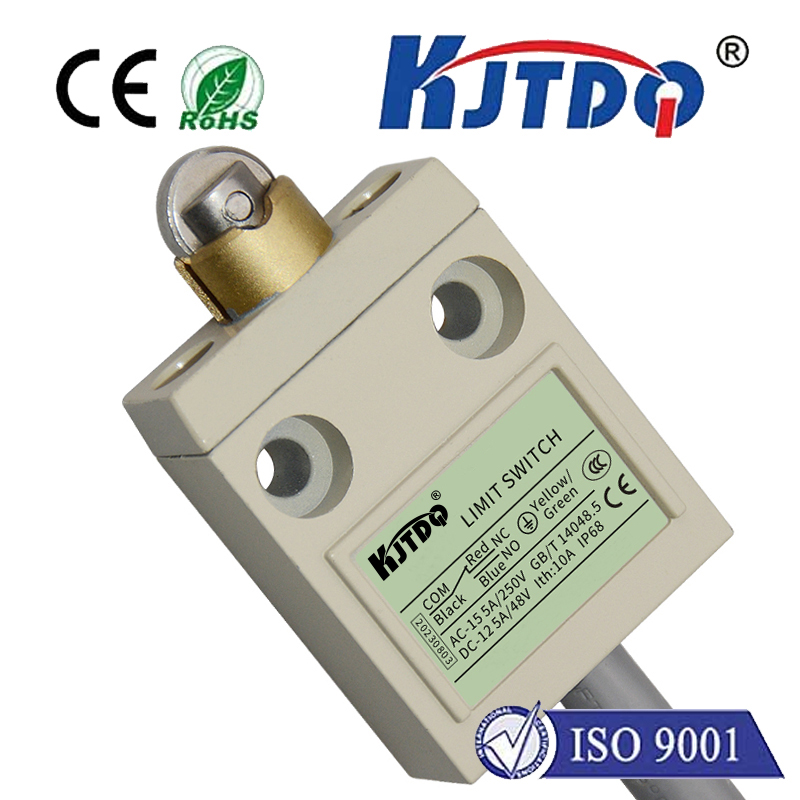
The Proximity Sensor M4 embodies a perfect synergy of miniaturization, robustness, and intelligent design. It provides a fundamental building block for automation, enhancing efficiency, safety, and product quality across countless sectors. By offering a maintenance-free, long-lasting solution for precise metallic object detection, it eliminates the wear and tear associated with mechanical limit switches. For engineers and system integrators, understanding its capabilities and correct application is key to unlocking higher levels of operational reliability and sophistication in any project involving automated control and monitoring. As industries continue to push towards greater connectivity and precision, components like the Proximity Sensor M4 will remain essential in translating physical presence into actionable digital data.