check

check

check

check

check

check
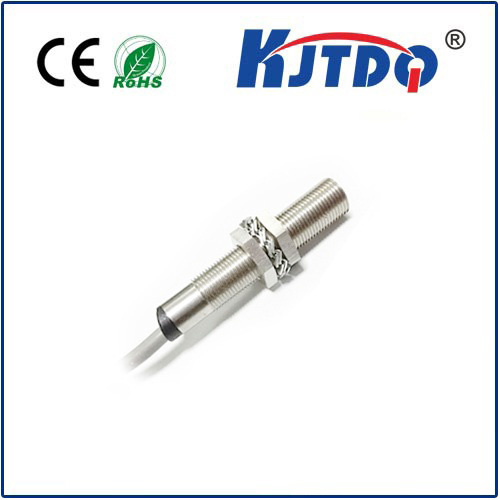
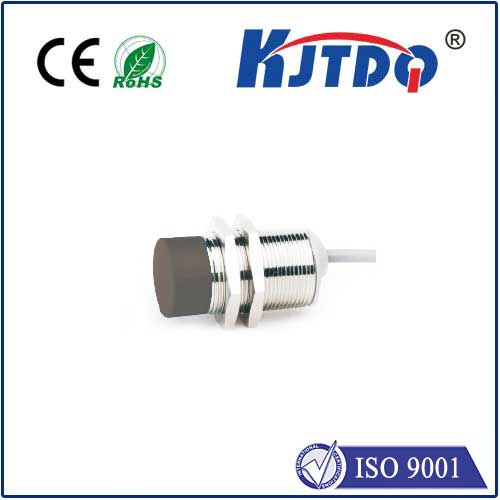
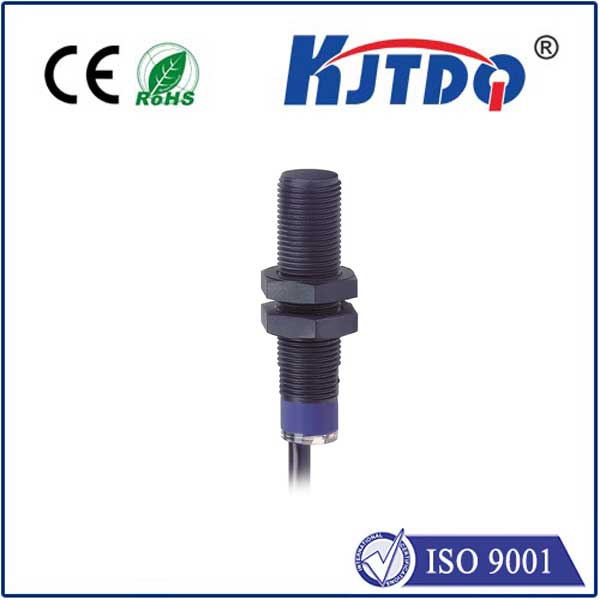
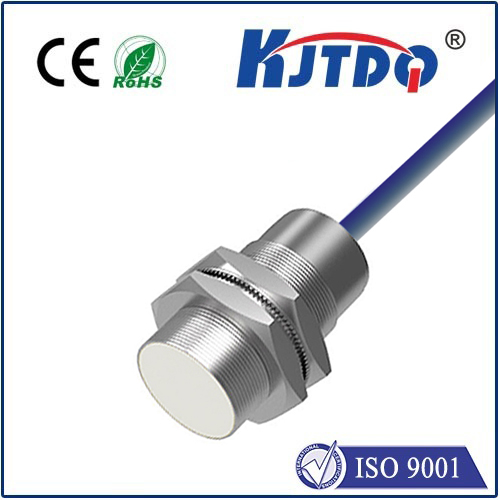
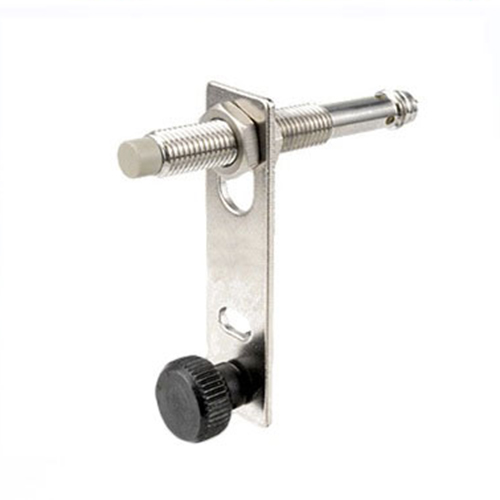
In the world of industrial automation, where space is at a premium and reliability is non-negotiable, the mini inductive proximity switch stands as a critical component. These compact sensors, often no larger than a pencil eraser, deliver robust performance in detecting metallic objects without physical contact. Their operating principle is elegantly simple yet highly effective: an oscillator generates a high-frequency electromagnetic field from the sensor's active face. When a ferrous or non-ferrous metal target enters this field, eddy currents are induced within the target, causing a change in the oscillation amplitude. This change is detected by the sensor's circuitry, which then triggers a solid-state output signal to switch a load, such as a PLC input, relay, or indicator lamp.
The advantages of mini inductive proximity sensors are manifold. Their primary benefit is their exceptionally small size, designated by industry-standard housing styles like M5, M8, and M12. This allows for installation in cramped locations where traditional sensors simply cannot fit, enabling more compact and sophisticated machine designs. Despite their diminutive stature, they offer remarkable sensing ranges, typically from 0.8mm to 4mm depending on the model and target material. They are completely sealed, making them immune to dust, oil, coolant, and other common contaminants, ensuring stable operation in harsh environments from machine tools to packaging lines. With no moving parts and a non-contact sensing method, they are virtually wear-free, offering a long operational life measured in millions of cycles. Furthermore, their high switching frequency allows them to detect rapidly moving objects, making them ideal for high-speed counting and positioning applications.
Selecting the right mini inductive proximity switch involves careful consideration of several key parameters. The sensing distance, or 'Sn', is specified for a standard mild steel target. It's crucial to note that for metals like aluminum, brass, or copper, the effective sensing range is reduced, often requiring a correction factor. The housing material, typically nickel-plated brass or stainless steel, must be chosen based on the chemical exposure and mechanical stress in the application. Output configuration is another vital choice; sensors come in NPN (sinking) or PNP (sourcing) transistor outputs, as well as Normally Open (NO) or Normally Closed (NC) logic, which must be compatible with the control system's input card. Other features to consider include embedded LED status indicators, short-circuit and reverse polarity protection, and immunity to electromagnetic interference (EMI).
The applications for these tiny workhorses are vast and varied. They are indispensable in robotics for end-effector tool detection and precise arm positioning. In conveyor systems, they count products, detect jams, and verify the presence of components. Within CNC machining centers, they serve as limit switches for axis homing and tool changer positioning. The automotive industry relies on them for assembly verification and part presence checks. Their robustness also makes them perfect for hydraulic systems and metal stamping presses.
When integrating a mini inductive proximity sensor, proper installation is paramount for optimal performance. The sensor must be mounted securely to prevent vibration-induced errors. It is also essential to maintain the specified lateral and axial clearance from surrounding metal, known as the non-flush or flush mounting requirement, to avoid false triggering. For sensing non-ferrous metals, preliminary testing with the actual target material is strongly recommended to confirm reliable detection. Regular maintenance, though minimal, should include periodic cleaning of the sensing face to remove any accumulated debris or metallic swarf that could attenuate the sensing field.
In conclusion, the mini inductive proximity sensor is far more than just a small switch. It is a precision instrument that combines advanced electronics in a rugged, miniature package. By providing reliable, maintenance-free object detection in the most confined spaces, it empowers engineers to build smarter, faster, and more compact automated systems. As industries continue to push the boundaries of miniaturization and efficiency, the role of these compact sensors will only grow in significance, forming the reliable sensory foundation upon which modern automation is built.