check

check

check

check

check

check
In today's interconnected world, the demand for smarter, healthier, and more responsive living and working spaces is at an all-time high. At the heart of this evolution lies a sophisticated piece of technology: the proximity and air quality sensor. This dual-function device is quietly revolutionizing how we interact with our environments, moving beyond simple automation to create truly intelligent ecosystems. The KJTDQ series represents a significant leap forward in this field, merging precision detection with seamless integration.
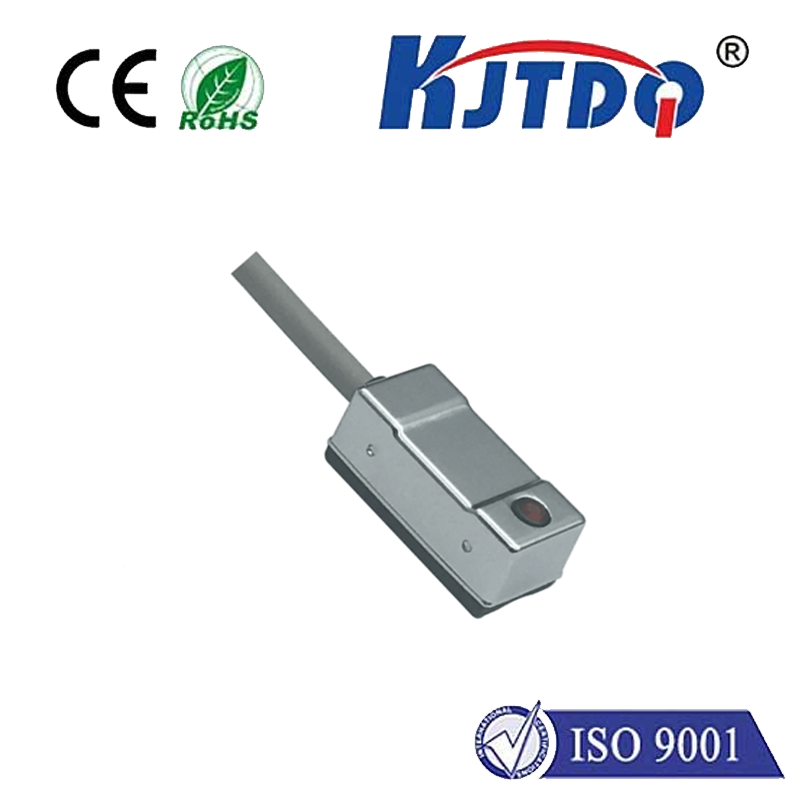
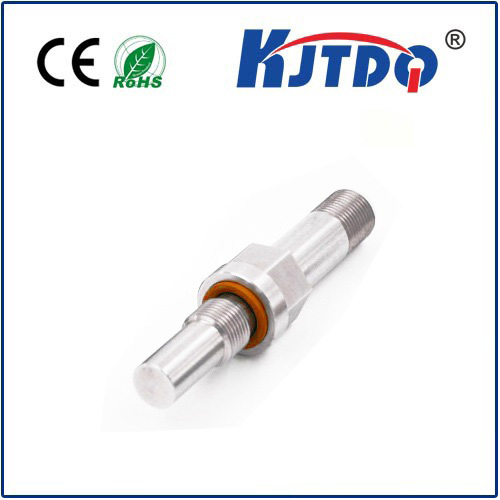
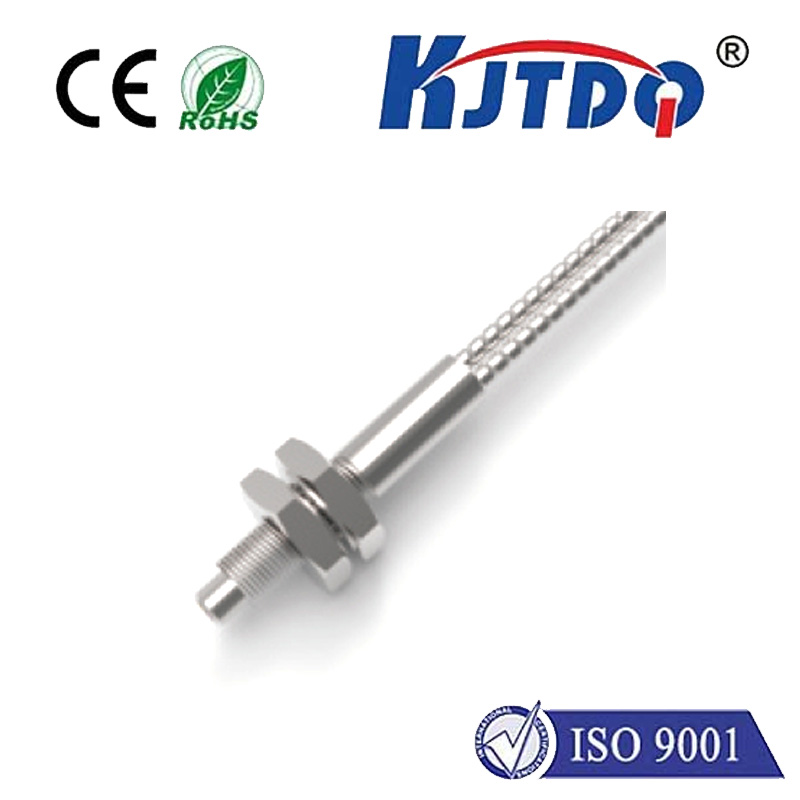
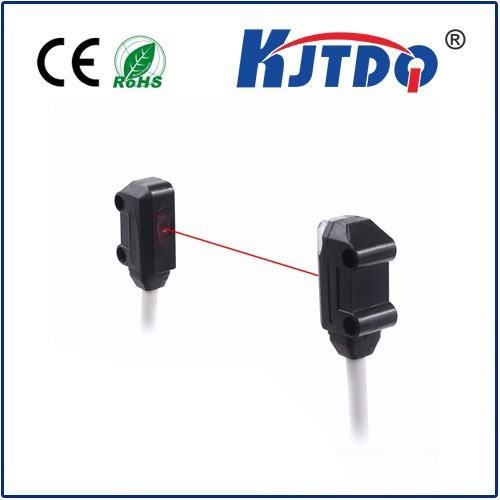
The core function of a proximity sensor is to detect the presence or absence of nearby objects without any physical contact. In practical applications, this allows for energy-efficient automation. Imagine walking into a conference room, and the lights and display system power on automatically. As the last person leaves, the system shuts down, conserving energy. The KJTDQ sensor excels in this with its high sensitivity and adjustable range, reducing false triggers and ensuring reliable operation. This isn't just about convenience; it's a cornerstone for building sustainable, energy-conscious buildings.
However, the true genius of the modern integrated sensor is its marriage with air quality monitoring. While proximity handles interaction, the air quality component safeguards well-being. The KJTDQ sensor meticulously tracks key pollutants such as volatile organic compounds (VOCs), particulate matter (PM2.5/PM10), carbon dioxide (CO2) levels, and even humidity and temperature. Poor indoor air quality is a silent culprit behind decreased productivity, discomfort, and long-term health issues. By providing real-time, accurate data, this sensor transforms a passive space into an actively healthy one.
The synergy between these two functions is where the KJTDQ system creates unparalleled value. Consider a smart home scenario: the sensor detects your approach and unlocks the door. Once inside, it immediately assesses the air. If CO2 levels are high from a day with closed windows, it signals the HVAC system to increase ventilation. If cooking has elevated PM2.5, the kitchen exhaust fan is triggered automatically. In an office, occupancy data from the proximity sensor can optimize airflow from vents specifically in occupied zones, while the air quality data ensures overall pollutant levels remain low. This dynamic, data-driven response is the essence of a smart environment.
For businesses, integrating the KJTDQ proximity and air quality sensor is a strategic investment. In retail spaces, it can track customer dwell time in specific aisles while ensuring a fresh, comfortable atmosphere that encourages longer visits. In industrial settings, it can monitor safe distances near machinery while ensuring worker safety by detecting harmful airborne substances. The data logs provided by these sensors are invaluable for analytics, helping facility managers optimize space usage, reduce operational costs, and demonstrate a commitment to occupant health and safety.
Deployment is designed for simplicity. The KJTDQ sensor features a compact, discreet form factor, wireless connectivity options like Wi-Fi or LoRaWAN, and easy integration with major smart home platforms and Building Management Systems (BMS). Its robust calibration ensures long-term accuracy, and low-power designs make it suitable for battery-operated installations. This user-friendly approach removes technical barriers, allowing the benefits of advanced sensing to be widely accessible.
Ultimately, technology should serve to make our environments more intuitive, efficient, and healthier. The KJTDQ proximity and air quality sensor embodies this principle. It moves us away from reactive controls—manually flipping a switch or wondering if the air feels stuffy—and towards a proactive, intelligent management system. By silently and continuously monitoring both presence and atmospheric conditions, it creates spaces that not only respond to our immediate needs but also anticipate and maintain optimal conditions for our well-being and productivity. This is not merely an incremental upgrade; it's a fundamental shift in how we coexist with the technology in our spaces, paving the way for a smarter, more responsive future.