check

check

check

check

check

check
In modern industrial environments, the demand for reliable and precise detection solutions continues to grow. Among the various technologies available, the inductive proximity sensor switch stands out as a cornerstone for automation systems. These devices operate without physical contact, using electromagnetic fields to detect metallic objects. The principle is straightforward: when a metal target enters the sensor's field, it induces eddy currents that alter the oscillation amplitude, triggering a switch signal. This mechanism ensures high durability, as there are no moving parts to wear out, making inductive sensors ideal for harsh conditions involving dust, moisture, or vibration.
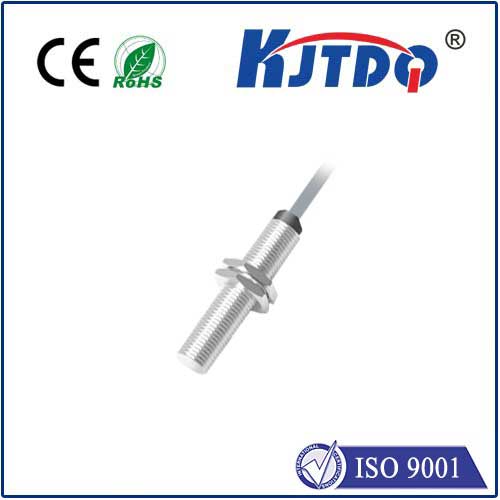
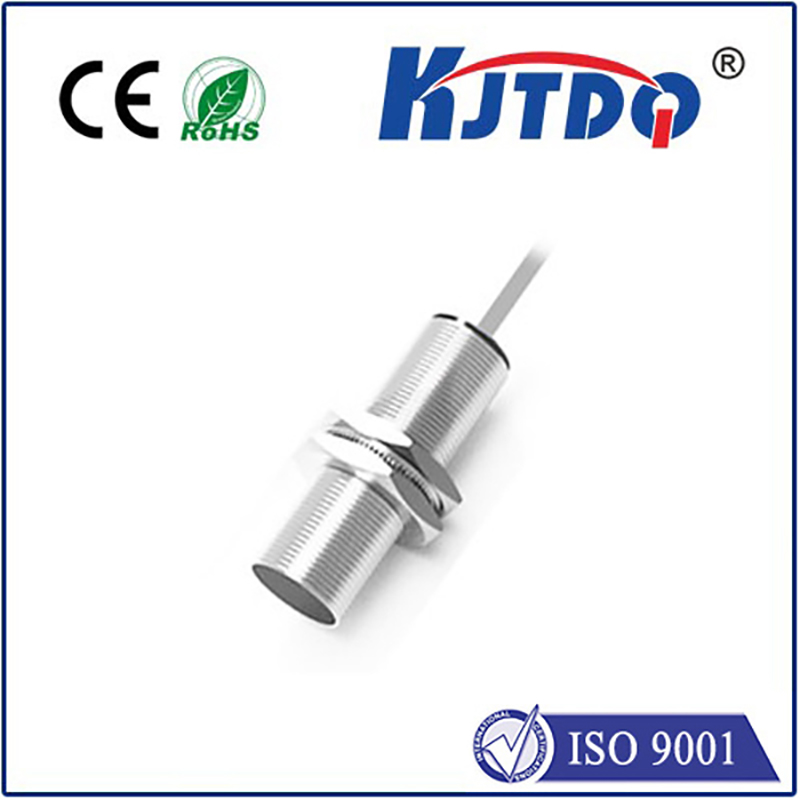
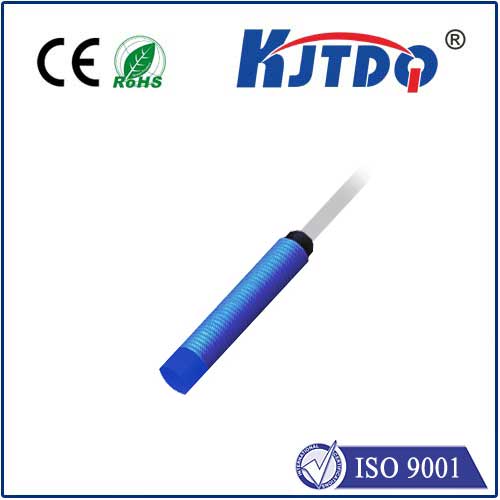
The inductive proximity sensor switch KJTDQ series exemplifies advanced engineering tailored for diverse applications. Designed with robust materials, these sensors offer exceptional performance in manufacturing lines, packaging machinery, and robotic arms. Their key advantage lies in consistent detection accuracy, even at high speeds, which minimizes downtime and boosts productivity. For instance, in conveyor belt systems, KJTDQ sensors can precisely count or position metal components, ensuring seamless workflow. Additionally, their compact size allows easy integration into tight spaces, while variants with different sensing ranges and output configurations provide flexibility for custom setups.
Installation and maintenance of inductive proximity sensors are remarkably simple. Most models feature LED indicators for real-time status monitoring, aiding quick troubleshooting. It is crucial, however, to consider environmental factors like temperature extremes or electromagnetic interference, which might affect performance. Selecting the appropriate sensor—such as shielded or unshielded types—based on the application needs can prevent false triggers. Regular calibration checks are recommended to sustain long-term reliability, though these sensors typically require minimal upkeep due to their solid-state design.
Beyond traditional manufacturing, inductive proximity sensor switches are expanding into emerging fields like smart logistics and renewable energy. In automated warehouses, they facilitate inventory tracking by detecting metal tags on goods. Similarly, in wind turbines, they monitor blade position or gear movement, contributing to safe and efficient operation. The KJTDQ series, with its enhanced sensitivity and noise immunity, addresses these modern challenges effectively. As industries embrace Industry 4.0, the integration of such sensors with IoT platforms enables predictive maintenance, where data from sensors can forecast equipment failures before they occur.
Choosing the right inductive proximity sensor involves evaluating parameters like sensing distance, response time, and housing material. The KJTDQ range offers options from short-range detection for precise tasks to longer ranges for broader coverage. Its compatibility with various voltage levels and output types (e.g., NPN or PNP) ensures adaptability to different control systems. Ultimately, investing in high-quality sensors like KJTDQ not only improves operational efficiency but also reduces long-term costs by minimizing errors and extending equipment lifespan. In a competitive industrial landscape, leveraging such technology is key to achieving automation excellence and sustainability goals.