check

check

check

check

check

check
In the rapidly evolving landscape of industrial automation, precision, reliability, and durability are non-negotiable. At the heart of countless automated systems lies a critical component: the proximity sensor. Among the leaders in this field, P & F proximity sensors have established a reputation for excellence, offering robust solutions for a wide array of challenging applications. This guide delves into the technology, benefits, and key considerations for integrating these sensors into modern industrial environments.
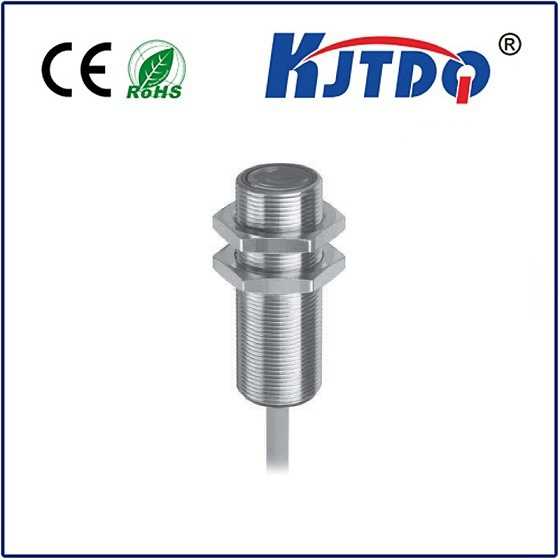
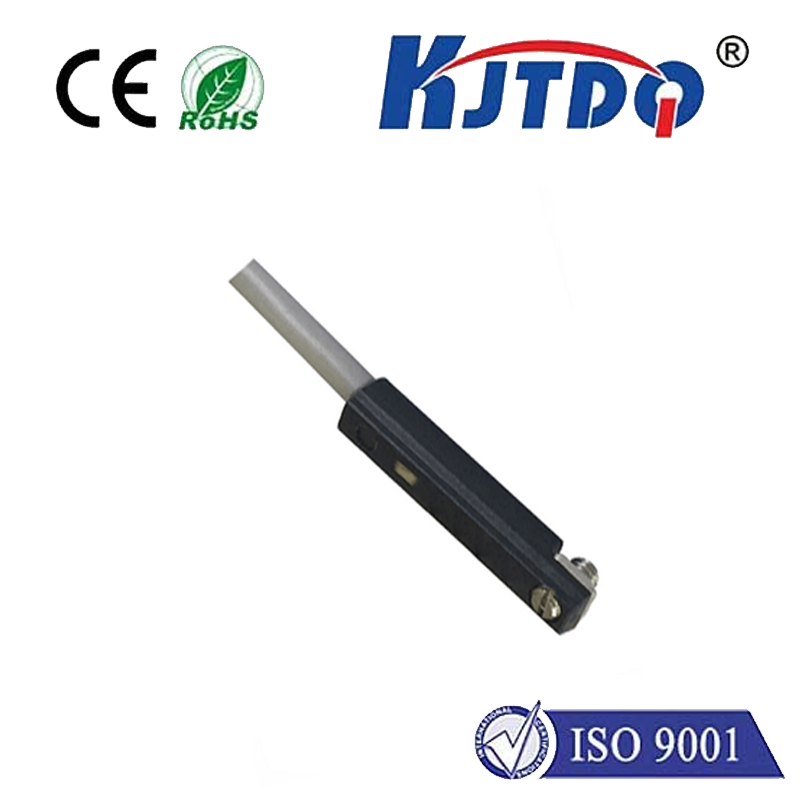
Proximity sensors are devices that detect the presence or absence of an object without physical contact. They operate by emitting an electromagnetic field or a beam of electromagnetic radiation and looking for changes in the field or return signal. P & F, a brand synonymous with quality in sensing technology, specializes in manufacturing inductive proximity sensors. These sensors are particularly adept at detecting metallic objects. Their core principle involves an oscillator circuit that generates a high-frequency electromagnetic field at the sensing face. When a metallic target enters this field, it induces eddy currents, causing a change in the oscillation amplitude. This change is detected by the sensor's circuitry, triggering an output signal.
The advantages of utilizing P & F proximity sensors are manifold. First and foremost is their exceptional reliability. Designed for harsh industrial settings, they are typically housed in robust, stainless steel or nickel-plated brass bodies, offering high resistance to shock, vibration, and contaminants like oil, coolants, and dust. This rugged construction ensures minimal downtime and reduced maintenance costs. Secondly, their non-contact operation eliminates mechanical wear and tear, leading to a significantly longer operational lifespan compared to mechanical switches. The absence of physical contact also allows for high-speed detection, which is crucial in fast-paced production lines. Furthermore, P & F sensors are known for their high switching frequency and repeat accuracy, ensuring consistent performance in precision tasks such as positioning, counting, and end-position detection.
When selecting a P & F proximity sensor for a specific application, several technical parameters require careful evaluation. The sensing range, defined as the maximum distance at which the sensor can reliably detect a standard target, is paramount. It's crucial to choose a sensor with an appropriate range for the installation geometry. The housing style is another critical factor; cylindrical (threaded barrel) sensors are common, but rectangular and ring-shaped formats are available for specialized needs. The output type must match the control system—common options include NPN (sinking), PNP (sourcing), and analog outputs. Environmental ratings, particularly the Ingress Protection (IP) code, indicate the level of protection against solids and liquids. For demanding environments like food processing or outdoor use, sensors with high IP ratings (e.g., IP67, IP69K) are essential. Finally, considering the electrical connection—pre-wired cables, quick-disconnect connectors, or terminal connections—simplifies installation and future servicing.
Real-world applications for P & F proximity sensors span virtually every industry. In automotive manufacturing, they are used for robot guidance, part verification on assembly lines, and monitoring robotic weld gun positions. In packaging machinery, they detect the presence of bottles, cans, or boxes for filling, capping, and labeling operations. The material handling sector relies on them for pallet detection, conveyor belt control, and automated storage and retrieval systems. Even in heavy industries like steel and mining, these sensors perform reliably for position feedback on cranes, limit switching on large valves, and detecting metal sheets.
Successful integration hinges on proper installation and configuration. Mounting the sensor correctly, ensuring there is no interference from surrounding metal (a phenomenon known as flanking), and setting the correct sensitivity are vital steps. Regular maintenance, though minimal, involves keeping the sensing face clean from buildup that could attenuate the electromagnetic field. For complex systems, consulting with a technical specialist or the manufacturer's documentation can prevent common pitfalls and optimize sensor performance.
In conclusion, P & F proximity sensors represent a cornerstone technology for modern industrial automation. Their robust design, non-contact operation, and precise detection capabilities make them an indispensable tool for engineers and system integrators aiming to enhance efficiency, safety, and productivity. By understanding their operating principles, key selection criteria, and application best practices, businesses can leverage these sensors to build more resilient and intelligent automated systems, driving operational excellence in a competitive global market.