check

check

check

check

check

check
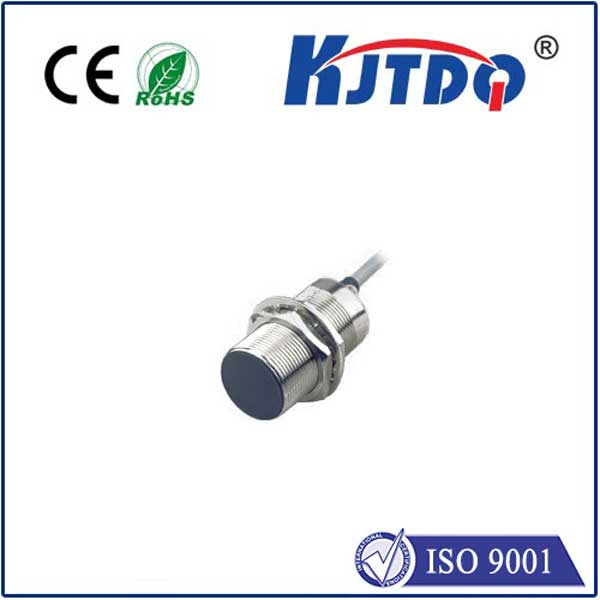
In today's fast-paced industrial and consumer electronics landscapes, the demand for reliable and precise sensing solutions has never been higher. Among the various technologies available, capacity proximity sensors stand out for their versatility and accuracy. The KJTDQ series of capacity proximity sensors represents a significant advancement in this field, offering unparalleled performance in detecting the presence or absence of objects without physical contact. These sensors operate by measuring changes in capacitance when a target enters their electromagnetic field, making them ideal for applications where hygiene, durability, and non-invasive monitoring are critical.
One of the key advantages of KJTDQ capacity proximity sensors is their ability to function effectively in challenging environments. Unlike optical or mechanical sensors, they are not affected by dust, moisture, or ambient light, ensuring consistent operation in manufacturing plants, automotive assembly lines, and food processing facilities. This robustness translates to reduced maintenance costs and minimized downtime, directly boosting productivity. For instance, in automated packaging systems, these sensors can detect materials through non-metallic barriers, allowing for seamless integration into existing setups without requiring direct line-of-sight.
The technology behind KJTDQ sensors also supports energy efficiency and sustainability goals. By enabling precise control over machinery and equipment, they help optimize resource usage—such as reducing power consumption in HVAC systems by detecting occupancy in rooms. In smart home applications, these sensors contribute to enhanced security and convenience, automatically adjusting lighting or triggering alarms based on proximity. Their compact design and easy installation further make them a cost-effective choice for both large-scale industrial deployments and smaller consumer devices.
Looking ahead, the integration of KJTDQ capacity proximity sensors with IoT platforms is set to revolutionize data-driven decision-making. Real-time monitoring capabilities allow for predictive maintenance, where potential failures can be identified before they cause disruptions. This proactive approach not only extends equipment lifespan but also enhances workplace safety by preventing accidents related to unexpected machine movements. As industries continue to embrace automation and digital transformation, the role of advanced sensing technologies like KJTDQ will only grow, paving the way for smarter, more responsive systems.
In summary, KJTDQ capacity proximity sensors offer a blend of reliability, adaptability, and innovation that meets the evolving needs of modern applications. From improving operational efficiency to supporting sustainable practices, their impact spans across sectors, making them an indispensable tool for engineers and developers aiming to create safer and more efficient environments.