check

check

check

check

check

check
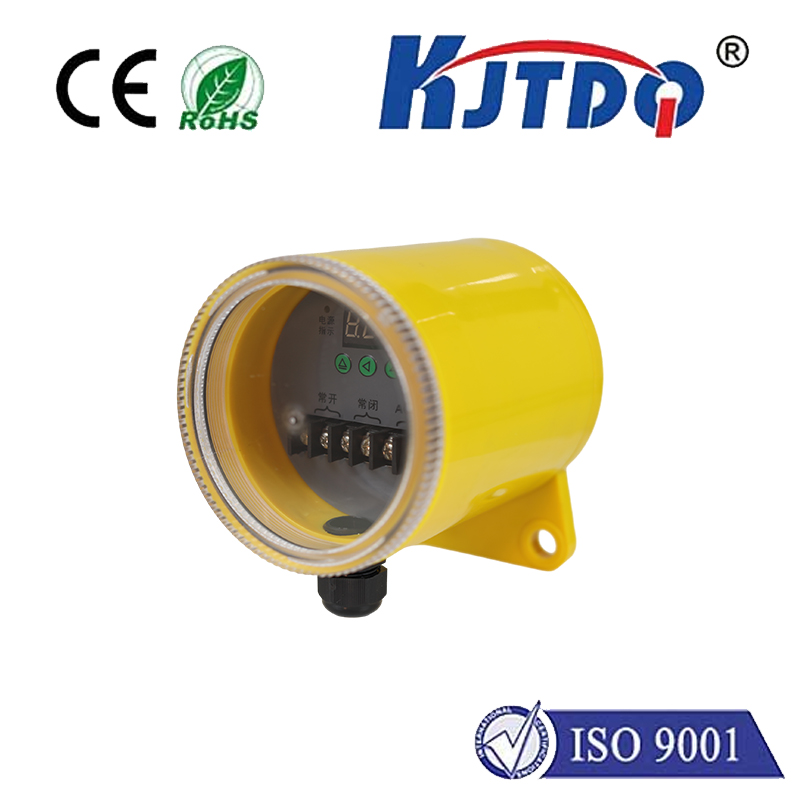
In the rapidly evolving landscape of industrial automation, the demand for reliable, non-contact sensing solutions has never been greater. Among the pivotal components driving this efficiency are proximity switch sensors. These devices, particularly the advanced models offered by KJTDQ, are revolutionizing how machines interact with their environment without physical contact. This article delves into the core functionality, diverse applications, and significant benefits of integrating high-quality proximity sensors into modern industrial systems.
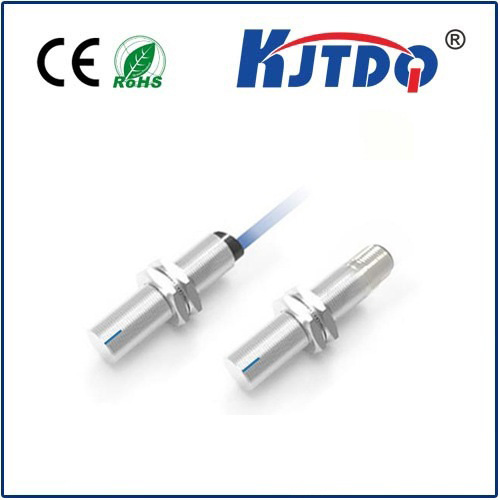
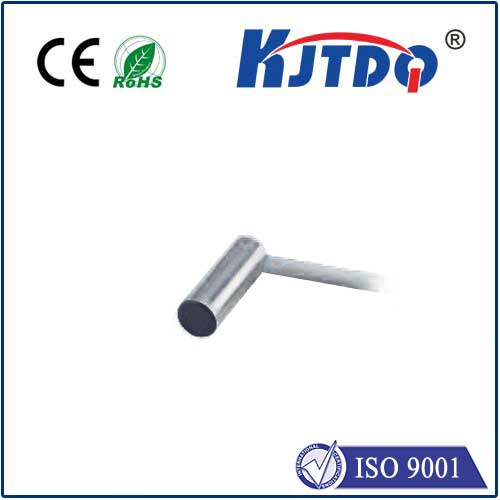
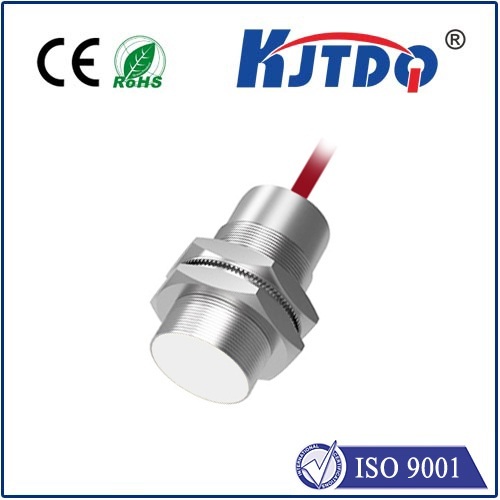
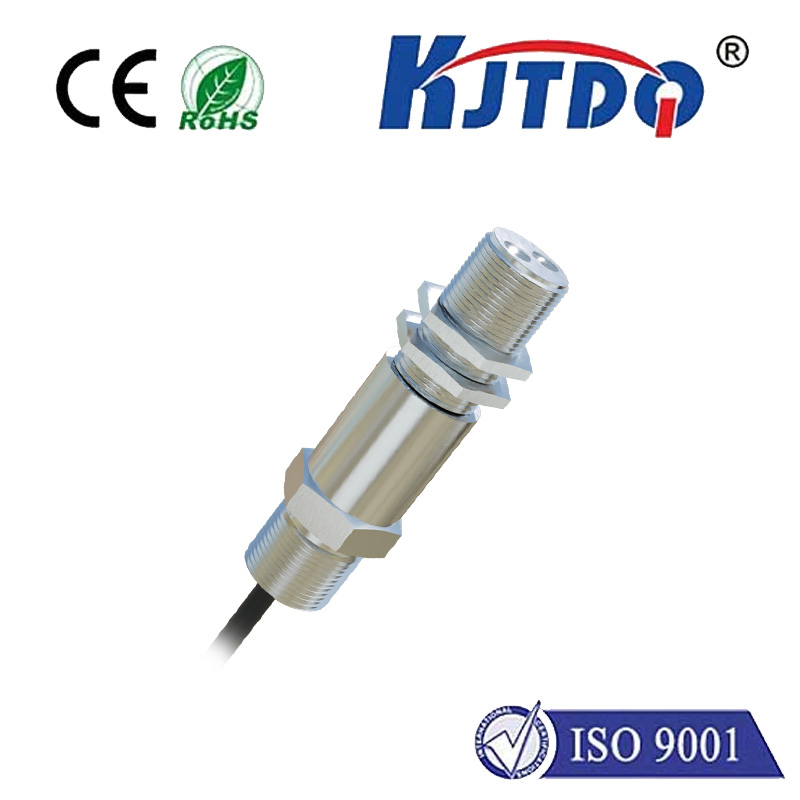
At its essence, a proximity switch sensor is an electronic device designed to detect the presence or absence of an object within a specific range. Unlike mechanical limit switches, it operates without any physical contact, using electromagnetic fields, infrared light, or ultrasonic waves. This non-contact nature is its primary advantage, leading to virtually wear-free operation, high switching frequencies, and exceptional reliability even in harsh conditions filled with dust, moisture, or vibrations. KJTDQ proximity sensors are engineered to deliver precise and stable detection, ensuring consistent performance in critical applications.
The applications for these sensors are vast and integral to streamlined operations. In manufacturing assembly lines, they are used for precise object detection, counting, and position verification. For instance, they can detect the presence of a metal component on a conveyor belt, triggering the next step in the assembly process. Within automated packaging machinery, they ensure products are correctly positioned for sealing or labeling. In the automotive industry, they play a crucial role in robotic welding arms, ensuring accurate positioning before a weld is made. Furthermore, they are essential for safety applications, such as detecting if a protective guard door is securely closed before a machine starts its cycle.
Choosing KJTDQ proximity sensors brings a host of operational benefits. Their robust construction ensures longevity and reduces maintenance downtime, directly impacting the bottom line. The high precision and fast response time contribute to increased production speed and improved product quality by minimizing errors. Their immunity to environmental contaminants means they perform reliably where other sensors might fail, enhancing overall system uptime. By providing accurate data for process control, these sensors are key enablers of the Internet of Things (IoT) in industry, feeding information to central systems for analytics and optimization.
When selecting a proximity sensor for a specific task, several technical parameters must be considered. The sensing range, which varies between models, must be appropriate for the application. The type of target material is also critical; inductive sensors detect metals, while capacitive sensors can detect liquids, plastics, and other materials. Environmental factors like temperature extremes, potential chemical exposure, and required ingress protection (IP) ratings are vital for ensuring durability. KJTDQ offers a comprehensive portfolio with detailed specifications, allowing engineers to select the perfect sensor for their unique operational challenges.
The integration of smart proximity sensors is a cornerstone of Industry 4.0. These advanced devices can communicate diagnostic data, such as switch status, temperature, or signal strength, directly to programmable logic controllers (PLCs) or supervisory systems. This capability enables predictive maintenance, where potential issues can be identified and addressed before they cause unplanned stoppages. KJTDQ is at the forefront of this innovation, developing sensors that not only detect but also communicate, providing a deeper layer of intelligence to automated systems.
In conclusion, the humble proximity switch sensor is a powerhouse of modern industrial automation. Its ability to provide reliable, non-contact detection is indispensable for efficiency, safety, and quality. Brands like KJTDQ are pushing the boundaries of this technology, offering robust, precise, and intelligent sensing solutions that meet the rigorous demands of today's factories. Investing in high-quality proximity sensors is not merely a purchase of a component; it is a strategic investment in operational resilience, productivity, and the future of automated manufacturing.