check

check

check

check

check

check
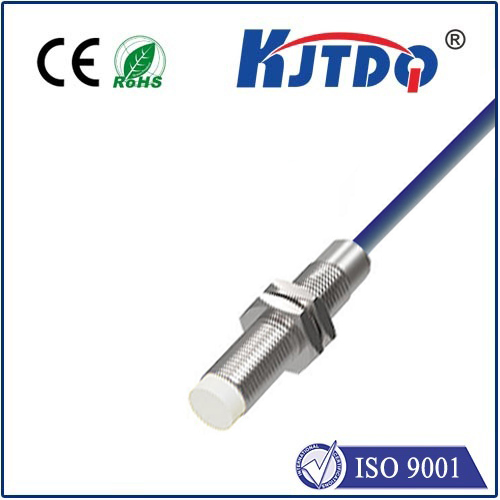
In the realm of industrial automation and electronic control, the precise detection of objects is paramount. Among the various sensor technologies available, the proximity sensor stands out for its non-contact operation, durability, and reliability. A specific configuration that often raises questions is the proximity sensor PNP NO setup. This article delves into the fundamentals, applications, and critical considerations of this common sensor wiring and output type, providing a clear guide for engineers and technicians.
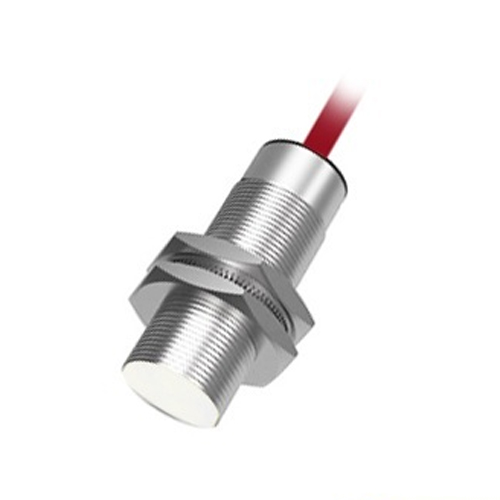
First, let's break down the terminology. A proximity sensor is a device that detects the presence or absence of an object within its sensing range without physical contact. It typically emits an electromagnetic field or a beam of electromagnetic radiation and looks for changes in the field or return signal. The terms PNP and NO refer to the sensor's electrical output characteristics.
PNP (Positive-Positive) describes the switching logic of the sensor's output transistor. In a PNP sensor, the output wire switches the positive voltage (e.g., +24V DC) to the load. When the sensor is activated (detects a target), it connects the positive supply to the output line. This is also commonly known as "sourcing" output, as it sources current to the load.
NO stands for Normally Open. This defines the state of the sensor's output switch when no target is present in the sensing field. In a Normally Open configuration, the output circuit is open (off, non-conductive) when the sensor is idle. When a target enters the detection zone, the switch closes (turns on), allowing current to flow.
Therefore, a proximity sensor PNP NO is a non-contact sensor that, in its default state with no target detected, maintains an open circuit on its output. Upon detecting a valid target, it closes this circuit and provides a positive voltage signal from its output wire. This combination is extremely prevalent in many modern control systems, particularly those in Europe and Asia, where PNP sourcing logic is a standard.
The advantages of using a PNP NO configuration are significant. Its intuitive logic—presence of target equals a positive signal—aligns well with the design of many Programmable Logic Controllers (PLCs) and input modules that are wired to accept sourcing signals. This simplifies wiring and reduces potential errors during installation. Furthermore, the Normally Open function is often preferred for safety and logic design in applications where an active signal should only be present during a specific machine operation, such as confirming a part is in place before a welding cycle begins.
Typical applications for PNP NO proximity sensors are widespread across industries. They are used for object detection on conveyor lines, counting products, verifying the position of machine parts (like cylinders being extended or retracted), and as limit switches in automated assembly systems. For instance, a PNP NO sensor might be used to detect when a metal component arrives at a robotic pick-up station. The absence of a signal indicates the station is empty; the arrival of the part triggers the sensor, closing the NO contact and sending a +24V signal to the robot controller, initiating the pick sequence.
When selecting and installing a PNP NO proximity sensor, several factors require attention. Sensing Range: Choose a sensor with a range slightly greater than the maximum required detection distance to account for installation tolerances. Target Material: Inductive sensors (common for metal detection) have different sensing ranges for steel, aluminum, and copper. Output Current: Ensure the sensor's maximum output current rating is not exceeded by the connected load (e.g., the PLC input). Electrical Connections: Correct wiring is crucial. The PNP sensor's brown wire (typically +V), blue wire (typically 0V or common), and black wire (the switched PNP output) must be connected properly to the power supply and load. Connecting a PNP sensor to an input card designed for NPN (sinking) inputs will result in malfunction.
Environmental considerations are also vital. Factors like temperature extremes, moisture, dust, and exposure to chemicals or welding spatter can affect sensor performance and longevity. Selecting a sensor with an appropriate Ingress Protection (IP) rating for the environment is essential for reliable operation.
Troubleshooting a PNP NO sensor often involves a systematic approach. Use a multimeter to check for the presence of supply voltage between the brown and blue wires. Then, measure the voltage between the black (output) and blue wires. With no target present, you should read a very low voltage (near 0V) because the output is open. When a target is presented to the sensor face, the voltage should rise to near the supply voltage (e.g., 24V), indicating the PNP switch has closed. If this does not occur, issues may lie with the sensor alignment, target material/size, power supply, or a faulty sensor unit.
In summary, the proximity sensor PNP NO configuration is a cornerstone of modern industrial sensing. Its sourcing output and normally open logic provide a reliable and straightforward method for integrating object detection into control systems. By understanding its operating principle, advantages, and correct application practices, engineers can ensure robust system performance, minimize downtime, and enhance the efficiency of automated processes. Always consult the specific manufacturer's datasheet for detailed specifications, wiring diagrams, and application notes to guarantee optimal integration for your particular project.