check

check

check

check

check

check
In the rapidly evolving landscape of industrial automation, the reliability and precision of sensing technology form the backbone of efficient operations. Among the critical components driving this reliability is the proximity switch sensor, a device designed to detect the presence or absence of an object without physical contact. The XS618B4PAL2 model stands out as a exemplary solution in this category, engineered to meet the rigorous demands of modern manufacturing and processing environments. This article delves into the features, applications, and benefits of this specific sensor, highlighting its role in optimizing industrial processes.
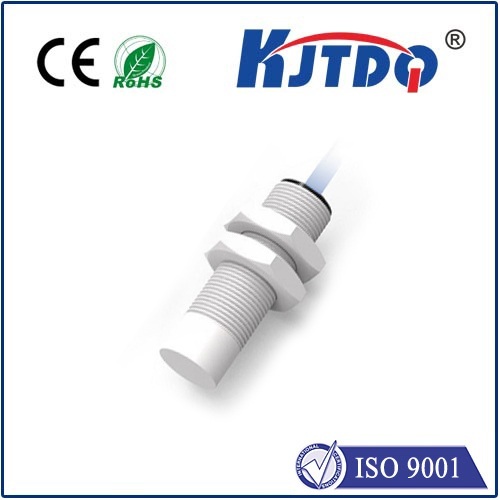
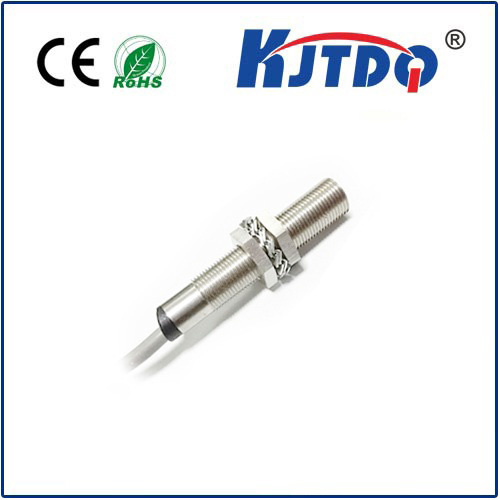
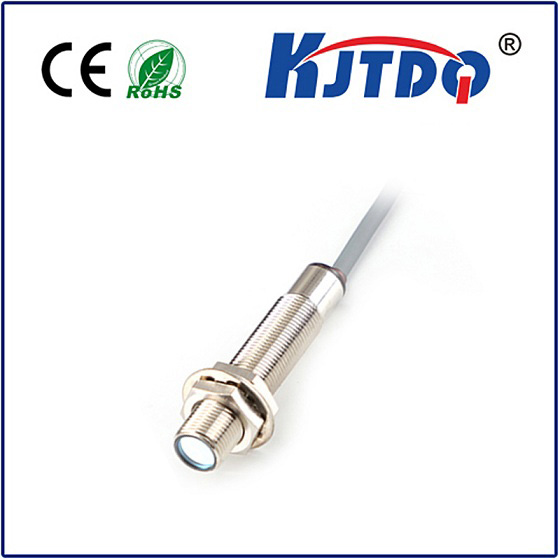
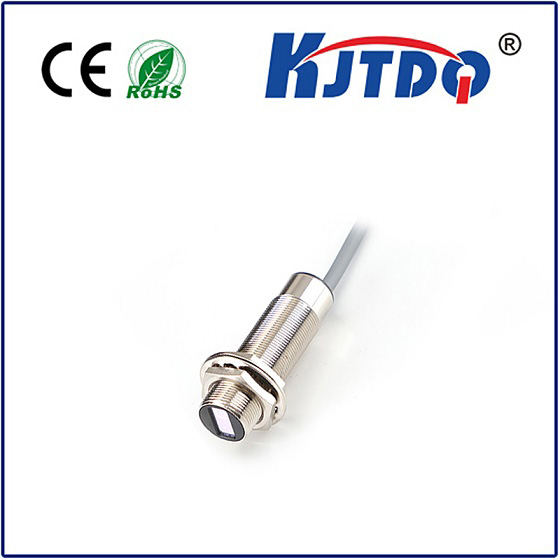
The Proximity Switch Sensor XS618B4PAL2 is typically an inductive proximity sensor. This type of sensor generates an electromagnetic field to detect metallic targets. Its core principle involves an oscillator circuit that creates a high-frequency field at the active face of the sensor. When a metallic object enters this field, eddy currents are induced in the target, causing a change in the oscillation amplitude. This change is detected by the sensor's circuitry, which then triggers a solid-state output switch. The "XS" series often denotes a robust design, with the "618B4PAL2" code specifying details like sensing distance, housing style, output type, and connection method, making it suitable for a wide array of industrial settings.
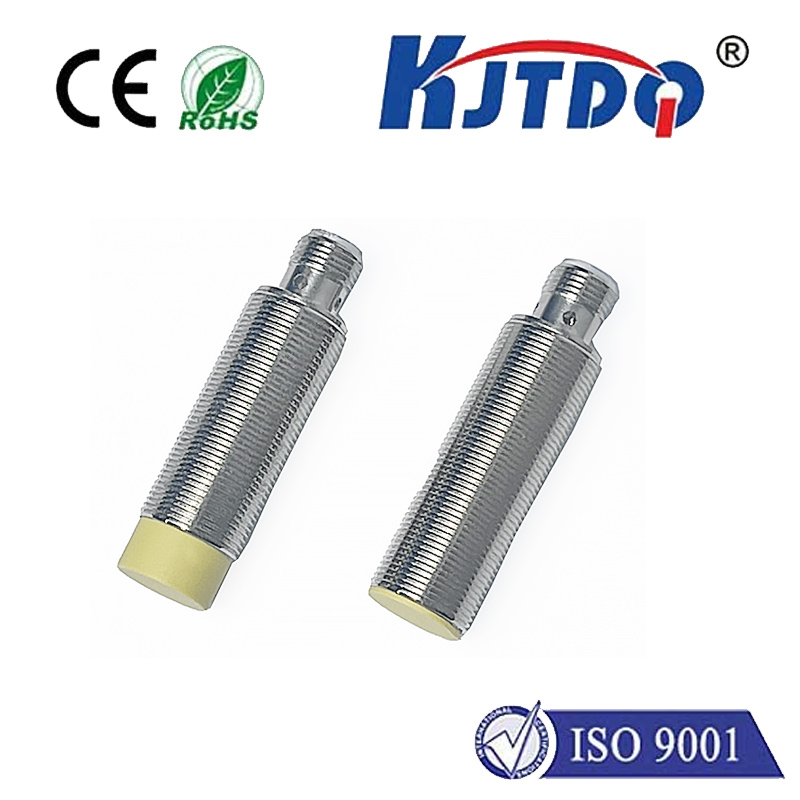
Key technical specifications contribute to its widespread adoption. A common sensing range for such models is up to 8mm, providing a reliable buffer for detecting objects. The housing is frequently constructed from nickel-plated brass or stainless steel, offering excellent resistance to corrosion, oils, and coolants prevalent in industrial workshops. The PNP normally-open (NO) output configuration, indicated by part of the model code, is a standard in many control systems, ensuring compatibility with Programmable Logic Controllers (PLCs) and other automation controllers. Furthermore, these sensors often boast high switching frequencies, allowing them to detect rapidly moving objects on production lines, and feature LED status indicators for easy diagnostics.
The application scope of the XS618B4PAL2 proximity sensor is vast. In automotive assembly lines, it is indispensable for tasks such as part presence verification, counting components on conveyor belts, and ensuring proper positioning of robotic arms. Within the packaging industry, it monitors fill levels, detects labels, and controls the sequencing of packaging machines. On CNC machining centers, these sensors provide end-position detection for tool changers and workpiece clamping confirmation, preventing costly collisions and ensuring machining accuracy. Their robust design also makes them ideal for harsh environments like material handling and wood processing, where dust and debris are common.
Implementing the XS618B4PAL2 sensor translates into tangible operational benefits. First and foremost is enhanced reliability. The non-contact sensing principle eliminates mechanical wear and tear associated with limit switches, leading to a significantly longer service life and reduced maintenance downtime. This reliability directly improves overall equipment effectiveness (OEE). Secondly, it boosts safety by enabling machines to operate only when components are correctly positioned, protecting both equipment and personnel. The precision of detection also minimizes product waste and improves quality control by ensuring each manufacturing step is verified before proceeding. Finally, its straightforward installation and compatibility with standard M12 or M18 mounting threads simplify integration into existing systems.
When selecting and installing a proximity sensor like the XS618B4PAL2, several practical considerations are paramount. The sensor must be chosen based on the target material—inductive sensors work exclusively with metals. The required sensing distance should account for any potential mechanical tolerances or vibrations in the application. Environmental factors such as temperature extremes, exposure to chemicals, or strong electromagnetic interference must be evaluated against the sensor's ingress protection (IP) rating and electromagnetic compatibility (EMC). Proper installation is crucial; ensuring the sensor is mounted securely and aligned correctly with the target path prevents false triggers. For optimal performance, a small margin should be maintained between the actual operating distance and the sensor's nominal range.
In conclusion, the Proximity Switch Sensor XS618B4PAL2 represents a critical, high-performance component in the toolkit of industrial automation. Its robust construction, precise non-contact detection, and versatile application potential make it a valuable asset for engineers and maintenance teams aiming to maximize productivity, ensure safety, and maintain consistent product quality. As industries continue to advance towards smarter, more connected factories, the role of dependable sensors like this model becomes increasingly central to achieving seamless and efficient automated operations.