check

check

check

check

check

check
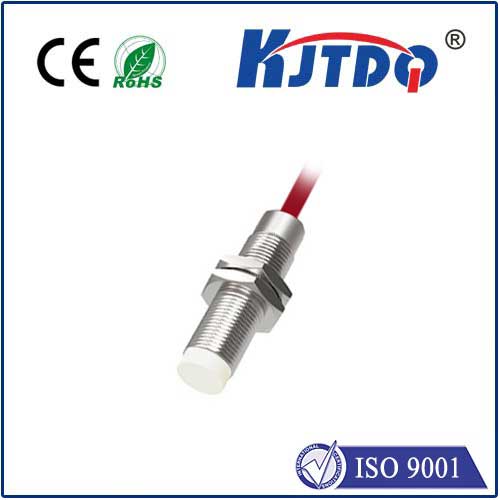
In the fast-paced world of industrial automation, reliable and accurate sensing technology is crucial for maintaining efficiency and safety. Among the various sensor types available, inductive proximity sensors with an M12 housing have emerged as a popular choice for countless applications. These compact yet robust devices offer non-contact detection of metallic objects, making them indispensable in manufacturing, packaging, robotics, and machinery.
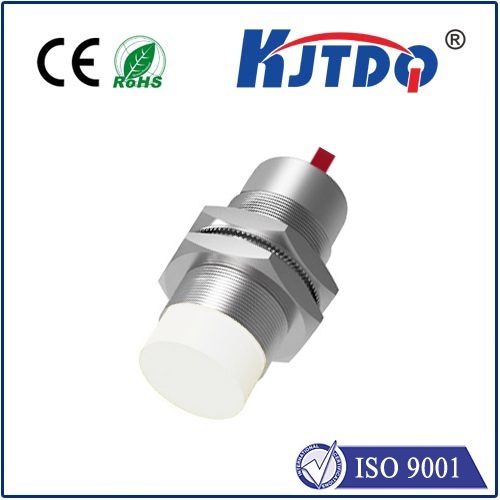
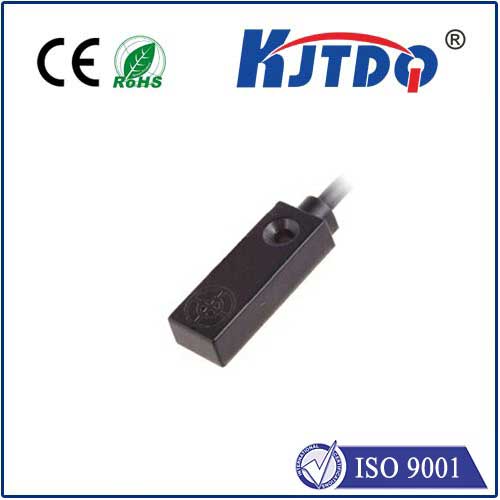
Inductive proximity sensors operate on a simple yet effective principle. They generate an electromagnetic field from a coil within the sensor head. When a metallic object enters this field, eddy currents are induced in the target, causing a change in the sensor's oscillation amplitude. This change is detected by the internal circuitry, which then triggers an output signal. The M12 refers to the standardized 12-millimeter threaded cylindrical housing, which provides a secure and easy installation process. This compact form factor allows these sensors to fit into tight spaces without compromising performance.
One of the key advantages of M12 inductive sensors is their resilience in harsh industrial environments. They are typically built with robust materials like nickel-plated brass or stainless steel, offering high resistance to dust, moisture, oils, and coolants. Many models feature IP67 or even IP69K ingress protection ratings, meaning they can withstand temporary immersion and high-pressure washdowns. This durability ensures long-term reliability and reduces maintenance downtime, which is vital for continuous production lines.
The application scope for these sensors is remarkably broad. They are commonly used for position sensing, such as detecting the presence or absence of a metal part on a conveyor belt, verifying if a machine component is in the correct place, or counting metallic objects. In robotic arms, they provide end-of-travel detection. In automated assembly, they ensure components are properly seated before the next process step. Their fast switching speed and high switching frequency make them suitable for high-speed operations, where every millisecond counts.
When selecting an M12 inductive proximity sensor, several technical specifications must be considered. The sensing range, typically from 1 to 4 millimeters for standard models, defines how far away a target can be reliably detected. The choice of sensing face (flush or non-flush mountable) affects the installation and detection characteristics in metallic surroundings. Output configurations include NPN (sinking), PNP (sourcing), or analog outputs (4-20 mA or 0-10V), allowing integration with various PLCs and control systems. Operating voltage ranges, usually from 10-30V DC, must match the plant's electrical infrastructure.
Modern advancements have further enhanced the capabilities of these sensors. Some models now incorporate IO-Link communication, enabling digital data exchange for parameters like switching distance, temperature, and operating hours. This facilitates predictive maintenance and easier system diagnostics. Others feature increased noise immunity for use in areas with strong electromagnetic interference from motors or welding equipment.
Installation and wiring are straightforward due to the standardized M12 connector system. The prevalent 4-pin M12 connectors allow for quick connection and disconnection, simplifying sensor replacement and system reconfiguration. Proper installation is critical: ensuring the correct mounting, maintaining the specified sensing distance, and avoiding side-by-side installation that could cause mutual interference are all best practices for optimal performance.
In conclusion, M12 inductive proximity sensors represent a perfect blend of compact design, rugged construction, and precise functionality. They provide a fundamental sensing solution that enhances automation reliability, improves product quality, and boosts overall operational efficiency. As industries continue to embrace Industry 4.0 and smart manufacturing, the role of these dependable sensors will only grow in importance, forming the essential sensory layer for intelligent, data-driven production environments.