check

check

check

check

check

check
In the rapidly evolving landscape of industrial automation, security systems, and smart infrastructure, the ability to detect objects or presence from a significant distance is not just an advantage—it's a necessity. This is where the long range proximity sensor steps into the spotlight, a technological marvel that is redefining the boundaries of non-contact sensing. Unlike standard proximity sensors limited to a few centimeters or inches, these advanced devices can reliably detect objects from several meters away, opening up a world of possibilities for efficiency, safety, and innovation.
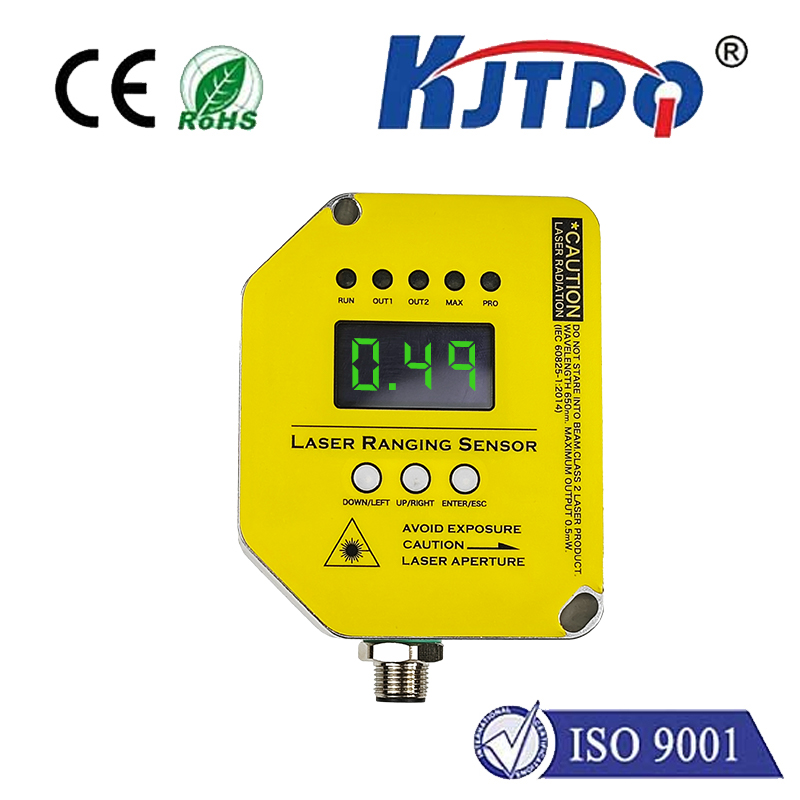
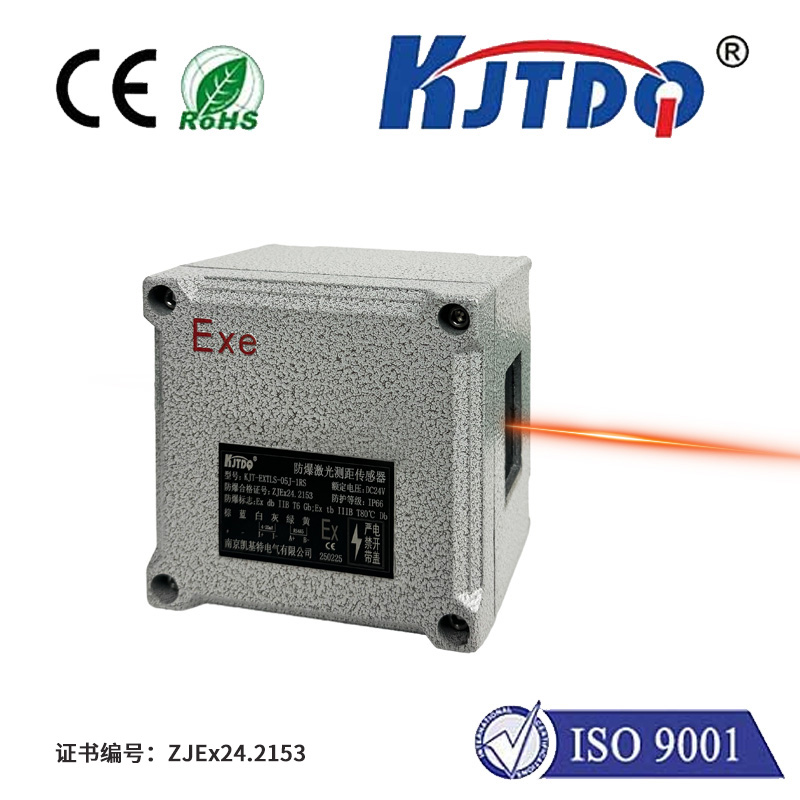
At its core, a long range proximity sensor operates on the principle of emitting a field or beam and analyzing the changes in the return signal. The most common technologies enabling this extended reach include LiDAR (Light Detection and Ranging), ultrasonic sensors, radar-based sensors, and advanced infrared time-of-flight sensors. Each technology has its unique strengths. For instance, LiDAR sensors use laser pulses to create high-resolution 3D maps, making them ideal for autonomous vehicles and topographic surveying. Ultrasonic sensors are excellent for harsh environments with dust or fog, while radar sensors excel in all-weather conditions and can detect through certain non-metallic materials. The choice depends entirely on the specific application requirements, including required range, precision, environmental conditions, and target material.
The applications for these powerful sensors are vast and growing. In industrial settings, they are used for large machinery safety guarding, monitoring production lines over long conveyors, and precise positioning of cranes and automated guided vehicles (AGVs). The logistics and warehousing sector relies on them for inventory management, pallet detection in high-bay racks, and vehicle presence detection at loading docks. In the realm of security and access control, long-range sensors form the backbone of perimeter intrusion detection systems, automatically triggering alerts when an object breaches a virtual boundary from tens of meters away. Furthermore, they are integral to smart traffic management systems, counting vehicles, measuring speed, and managing traffic flow from a single, elevated point.
Selecting the right long range proximity sensor requires careful consideration of several key parameters. The stated sensing range is paramount, but it's crucial to understand the conditions under which this range is achieved. Factors like the target's size, reflectivity, and material can significantly impact performance. Resolution and accuracy determine how precisely the sensor can determine an object's position or distance. Response time is critical for high-speed applications. Environmental durability is another vital factor; sensors may need to be waterproof, dustproof (often rated IP67 or higher), and capable of operating in extreme temperatures. Finally, the output signal (e.g., analog voltage, current loop, digital IO, or serial communication) must be compatible with the existing control system.
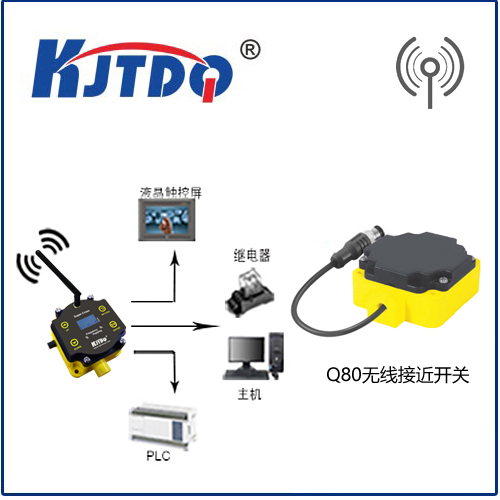
The integration of IoT connectivity has propelled these sensors into the era of Industry 4.0. Modern long range proximity sensors can now feed real-time data directly into cloud platforms for predictive maintenance, process optimization, and centralized monitoring. This connectivity allows for remote configuration and diagnostics, reducing downtime and operational costs. The future points toward even greater miniaturization, increased accuracy at longer distances, and multi-sensor fusion—combining data from LiDAR, radar, and cameras for a more robust and contextual understanding of the environment.
Implementing this technology effectively involves more than just mounting a sensor. Proper alignment is essential to ensure the detection beam covers the intended area. Regular calibration may be necessary to maintain accuracy over time. Understanding potential sources of interference, such as other electromagnetic sources for radar sensors or strong ambient light for optical sensors, is key to reliable operation. By partnering with experienced suppliers and adhering to best practices for installation and maintenance, businesses can unlock the full potential of long-range detection, transforming their operations with enhanced safety margins, unprecedented automation capabilities, and valuable data-driven insights.