check

check

check

check

check

check
In the intricate world of modern electronics, countless components work in silent harmony to deliver the seamless experiences we often take for granted. Among these unsung heroes is a technology frequently signaled by a simple, yet critical, status: proximity sensor no. This state doesn't indicate a malfunction; rather, it signifies a sensor performing its primary duty—detecting the absence of a nearby object and enabling a cascade of intelligent device behaviors.
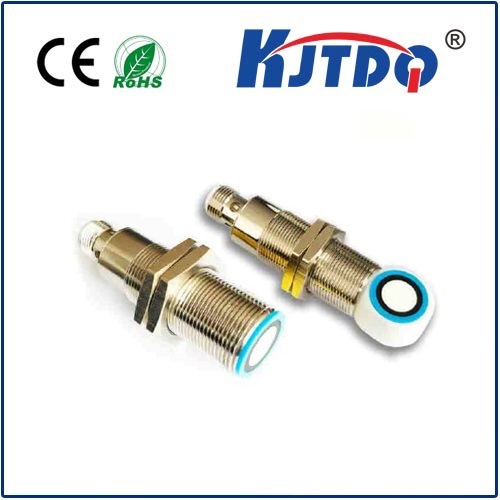
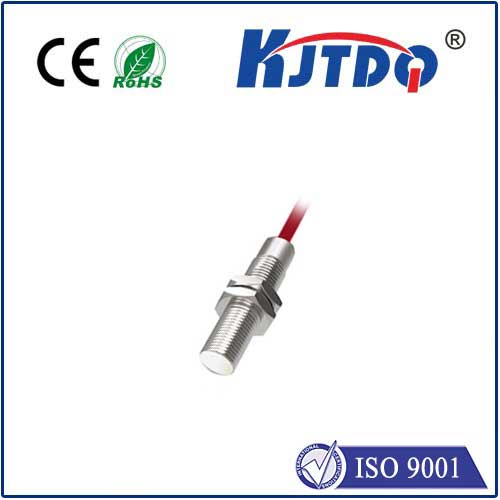
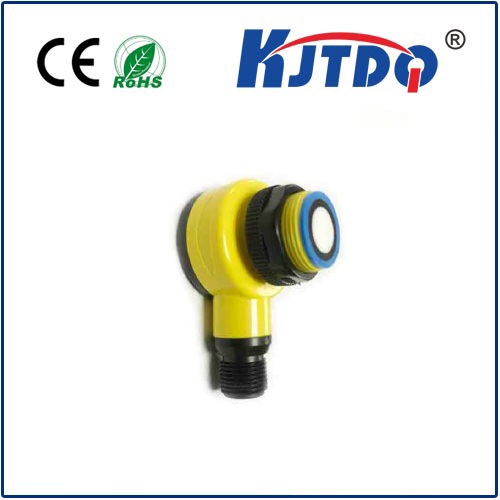
At its core, a proximity sensor is a non-contact device designed to detect the presence or absence of an object within a specific range. Unlike a touchscreen that requires physical contact, it operates using various fields or beams, such as infrared (IR) light, electromagnetic fields, or ultrasonic sound waves. When the sensor's field is uninterrupted, meaning no object is within its predefined detection zone, it logically outputs a "no" or "off" signal. This "proximity sensor no" condition is the default, idle state for many applications, and it is as vital as the "yes" state.
Consider your smartphone. When you lift it to your ear during a call, a small infrared proximity sensor near the earpiece detects your face and turns off the display to prevent accidental screen presses and save battery. The moment you move the phone away, the sensor no longer detects an object, returning to the "proximity sensor no" state. This triggers the screen to illuminate instantly, allowing you to end the call or use the keypad. This seamless interaction, powered by the transition between detection and non-detection, is fundamental to user experience.
The applications extend far beyond smartphones. In industrial automation, on assembly lines, a "proximity sensor no" signal might indicate that a component has passed a checkpoint successfully, allowing the next item to proceed. It ensures precise counting and positioning without physical contact, reducing wear and tear. In automotive systems, these sensors can detect when no obstacle is behind a vehicle, providing the clearance data essential for parking assist systems. In public restrooms and faucets, the sensor activates water flow or soap dispensers only when an object (hands) is present, conserving resources when the state is "no."
The reliability of the "no" signal is paramount. Engineers design these sensors with hysteresis to avoid erratic toggling when an object is near the detection threshold. This means the sensor won't flicker between "yes" and "no" if your face is barely moving away from the phone; it provides a clean, stable signal transition. Factors like environmental light (for optical sensors), dust, or material composition of the target object can influence performance. Therefore, high-quality sensors are calibrated to maintain a stable "proximity sensor no" baseline in their intended operating environment.
For developers and product designers, understanding this state is crucial for system logic. The "proximity sensor no" condition is often the trigger for enabling other functions. For instance, a smart tablet might keep its display at full brightness only when no object is obscuring its ambient light and proximity sensors, dimming automatically when placed in a bag or covered. This intelligent power management hinges on accurately interpreting the sensor's output.
Looking ahead, as the Internet of Things (IoT) and smarter appliances proliferate, the role of proximity sensing will only grow. The simple binary output—object detected or proximity sensor no—will continue to be a foundational input for more complex contextual awareness. It represents a key piece in the puzzle of creating devices that are not only interactive but also anticipatory and energy-efficient.
In essence, the next time you notice your phone screen turning on as you lower it from your ear, remember the quiet logic at play. The "proximity sensor no" is not an error message; it is a confirmation of space, a permission for action, and a small but brilliant example of how hidden technology orchestrates our daily digital interactions with effortless precision.