check

check

check

check

check

check
In the world of industrial automation and machinery, precision and reliability are non-negotiable. Among the myriad of components that ensure seamless operation, the proximity switch sensor stands out, particularly the NPN type. This guide delves deep into the world of the NPN proximity sensor, explaining its core functionality, key advantages, and why it might be the perfect solution for your next project, moving beyond generic descriptions to practical insights.
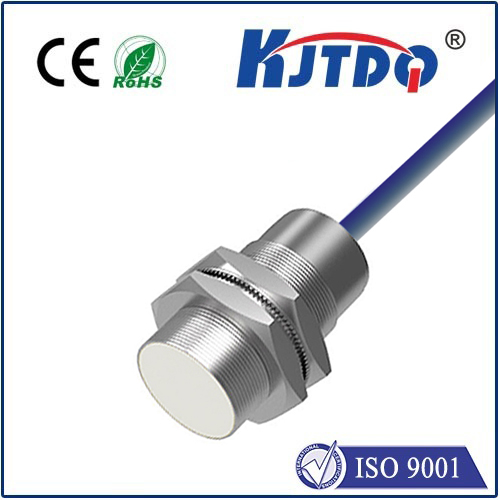
At its heart, a proximity switch sensor is a device that detects the presence or absence of a nearby object without any physical contact. The "NPN" designation refers to the type of transistor output it uses. In an NPN sensor, the output acts as a switch that connects the load to the negative voltage (common or ground) when an object is detected. This is a crucial detail for electrical integration. Imagine a scenario on a high-speed bottling line. An NPN inductive proximity sensor can detect each metal cap as it passes by, sending a precise signal to the controller to count bottles or trigger the next action, all without ever touching the product, eliminating wear and tear.
So, what makes the NPN configuration so widely adopted? The primary advantage lies in its compatibility and safety. In many control systems, especially those based on programmable logic controllers (PLCs) with sinking input modules, the NPN sensor is the natural and correct choice. Its operation is straightforward: when a target is present, the output transistor turns on, allowing current to flow from the load, through the sensor's output, to ground. This creates a clear, low-voltage signal for the control system. Furthermore, because the active signal connects to ground, it can often be safer in fault conditions, preventing unexpected voltage surges on the control line.
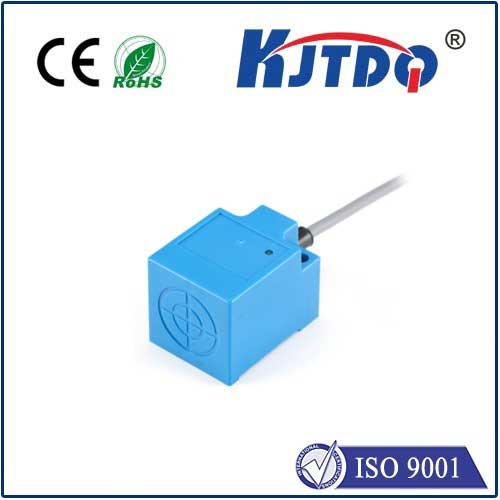
When selecting an NPN proximity sensor, several factors demand attention beyond just the output type. Sensing range is critical; it must be appropriate for the application to avoid false triggers or missed detections. The sensing object material is another key determinant. Inductive sensors, perfect for detecting metals, are a common type within the NPN family. For non-metallic targets like plastic, wood, or liquid, a capacitive NPN sensor would be necessary. Environmental robustness is also paramount. Look for sensors with high Ingress Protection (IP) ratings if they will face dust, moisture, or coolant sprays in a machining center. The housing material, typically nickel-plated brass or stainless steel, must withstand physical impact and chemical exposure.
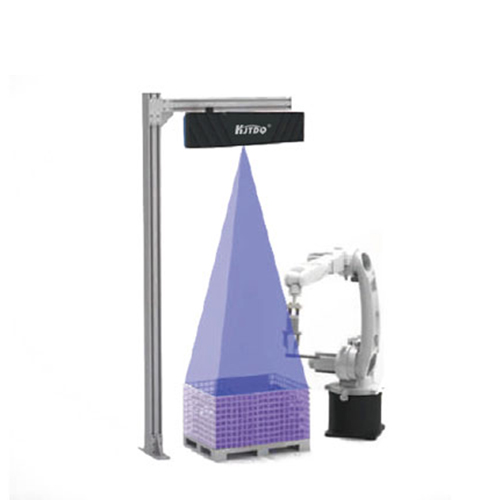
Real-world applications showcase the versatility of NPN proximity sensors. In automotive assembly, they verify the correct positioning of robotic arms. In packaging machinery, they ensure boxes are in place before sealing. On conveyor systems, they provide precise position feedback for sorting operations. Their non-contact nature makes them ideal for counting fast-moving items, monitoring door positions, or serving as end-of-travel limits. The reliability of a well-chosen NPN sensor translates directly to reduced downtime, improved product quality, and enhanced operational safety.
Installation and wiring, while simple, require care. Always consult the manufacturer's datasheet. Typically, an NPN 3-wire sensor will have connections for brown (positive voltage), blue (common/ground), and black (output signal). Ensuring correct voltage supply (commonly 10-30V DC) and proper grounding is essential for stable performance. Avoid running sensor cables in the same conduit as high-power lines to prevent electrical noise interference, which could cause erratic signals. Regular maintenance involves simply keeping the sensing face clean and free from debris buildup.
In conclusion, the NPN proximity switch sensor is far more than just a component; it is a fundamental enabler of modern automated systems. Its non-contact detection principle, coupled with the reliable NPN switching output, offers a blend of durability, precision, and electrical compatibility that is hard to match. For engineers and system integrators designing or maintaining equipment, understanding the specifics of the NPN sensor is key to building robust and efficient control circuits. By carefully considering the target material, environmental conditions, and electrical requirements, you can leverage this technology to create smarter, more reliable, and maintenance-friendly machinery.