check

check

check

check

check

check
In today's fast-paced industrial world, reliable and precise detection is not just a convenience—it's a necessity. This is where the Honeywell proximity sensor steps into the spotlight, offering a robust solution for countless automation and control applications. Unlike many generic sensors on the market, Honeywell's engineering pedigree brings a level of trust and performance that professionals have relied on for decades. But what exactly makes these sensors a preferred choice for engineers and system integrators worldwide?
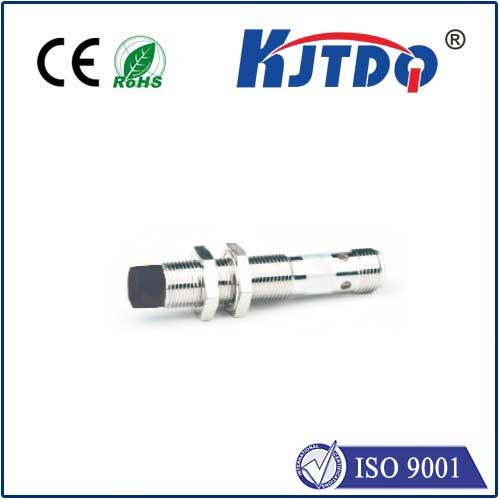
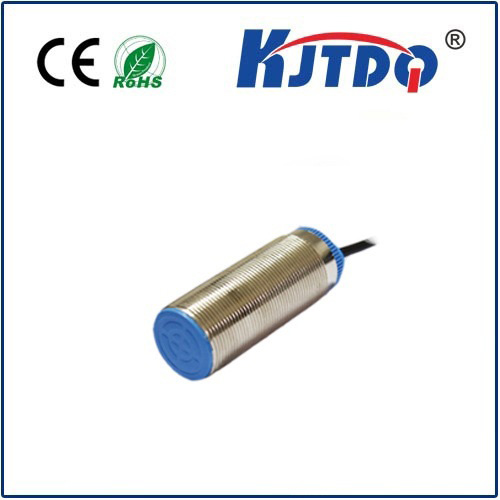
At its core, a proximity sensor is a device that detects the presence or absence of an object within a specific range without any physical contact. Honeywell has mastered this technology, producing sensors that excel in environments where durability, accuracy, and consistency are paramount. These sensors work primarily on two principles: inductive sensing for metallic objects and capacitive sensing for both metallic and non-metallic materials. The inductive variants are incredibly popular in manufacturing settings, capable of detecting metal parts on assembly lines, counting products, or confirming the position of machine components with unwavering precision. Their robust housing is often designed to withstand harsh conditions, including exposure to oils, coolants, and metal chips commonly found in machining and automotive plants.
One of the standout features of Honeywell proximity sensors is their exceptional noise immunity. In electrically noisy environments filled with variable frequency drives, motors, and welding equipment, false triggers can lead to costly downtime and production errors. Honeywell designs its sensors with advanced circuitry that filters out this electrical interference, ensuring that a detection signal is only generated by the actual target object. This reliability translates directly to smoother operations, reduced waste, and higher overall equipment effectiveness (OEE). Furthermore, many models offer a wide operating voltage range, making them versatile for integration into different control systems, whether 12V DC, 24V DC, or even 120V AC.
The application spectrum for these sensors is remarkably broad. Beyond factory automation, they are integral in material handling systems, ensuring packages are correctly positioned on conveyors. They play a critical role in the automotive industry for robotic welding and part verification. In packaging machinery, they ensure precise filling levels and cap placement. Even in everyday applications like commercial doors or elevators, Honeywell sensors provide the non-contact safety and positioning feedback needed for seamless operation. Their long operational life, often measured in millions of cycles, means reduced maintenance costs and fewer replacements, contributing to a lower total cost of ownership.
Selecting the right sensor for a job involves considering several factors. The sensing distance, or range, is crucial and must be chosen based on the application's requirements. Environmental conditions are equally important; for instance, sensors used in washdown areas in food and beverage processing require specific ingress protection (IP) ratings, such as IP67 or IP69K, to resist high-pressure water and steam cleaning. Honeywell offers a comprehensive portfolio to meet these diverse needs, from miniature sensors for tight spaces to cylindrical models with extended ranges. Proper installation is also key—ensuring the sensor is mounted correctly, aligned properly with the target, and free from interference by adjacent metal objects (a factor known as flanking) will guarantee optimal performance.
In conclusion, when the integrity of your automated process depends on accurate, non-contact detection, specifying a Honeywell proximity sensor is a decision backed by proven technology and global support. It represents an investment in precision engineering that delivers consistent performance day in and day out, forming the reliable sensory foundation upon which modern industrial systems are built. By understanding their principles, features, and correct application, you can leverage these powerful tools to enhance efficiency, safety, and productivity across your operations.