check

check

check

check

check

check
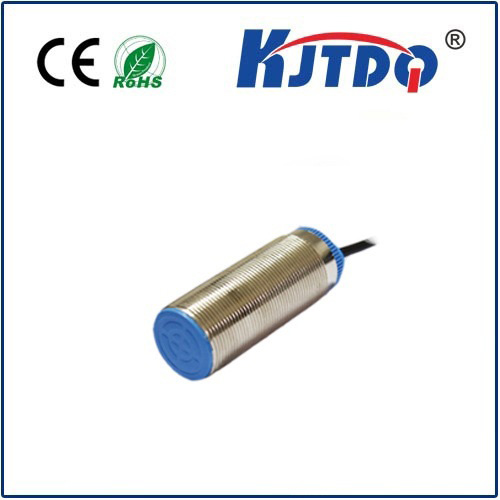
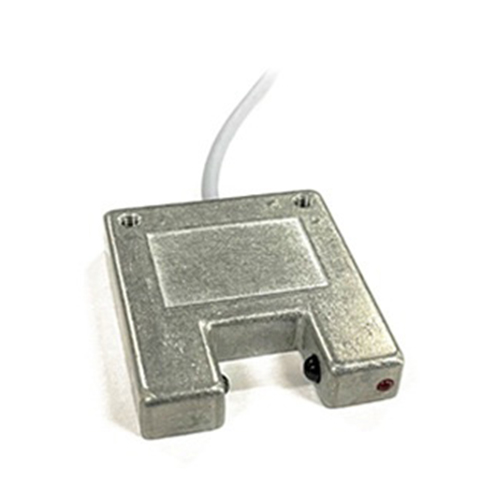
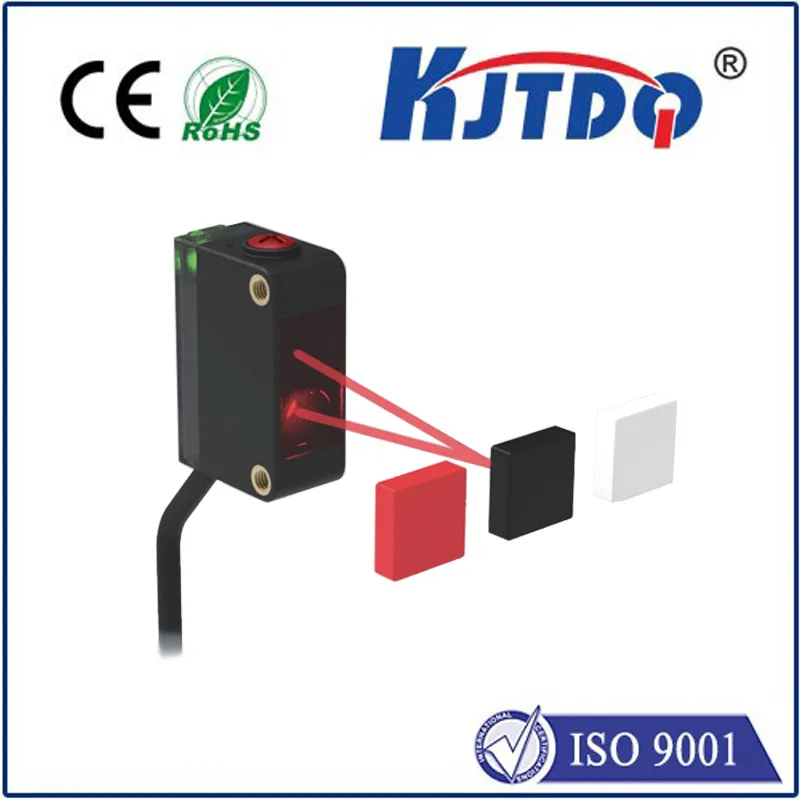
In the realm of industrial automation and smart systems, the precision of object detection is paramount. This is where the proximity reflector sensor emerges as a critical component, offering a sophisticated solution for countless applications. Unlike standard proximity sensors that detect objects directly, a proximity reflector sensor operates in a unique reflective mode. It consists of a combined emitter and receiver unit that projects a light beam—typically infrared or laser—towards a dedicated reflector. When an object passes between the sensor and the reflector, it interrupts this beam, triggering a detection signal. This fundamental principle enables remarkable reliability and extended sensing ranges in challenging environments.
The core advantage of the proximity reflector sensor lies in its exceptional accuracy and stability over long distances. Because the system relies on the interruption of a consistent beam between two fixed points—the sensor and the reflector—it is less susceptible to environmental variables like dust, ambient light fluctuations, or the color and surface texture of the target object. This makes it an ideal choice for applications such as conveyor belt monitoring in manufacturing plants, where it can reliably detect transparent bottles, glossy packages, or irregularly shaped items that might confuse diffuse reflective sensors. In warehouse logistics, these sensors are indispensable for high-bay storage systems, ensuring precise positioning of automated cranes and preventing collisions.
Another significant application is in the field of security and access control. Proximity reflector sensors form the invisible "tripwire" in intrusion detection systems, protecting perimeters, windows, and sensitive corridors. Their ability to create a precise, invisible line of detection is superior to motion sensors in scenarios requiring pinpoint accuracy. Furthermore, in the automotive industry, they are utilized in automated assembly lines for part verification and robotic guidance, where millimeter-level precision is non-negotiable.
When selecting a proximity reflector sensor, several technical specifications demand attention. The sensing range, often extending up to several meters, must match the operational distance. The type of light source influences performance; laser models offer a highly focused beam for extreme precision, while modulated infrared LEDs provide good resistance to interference. Response time is crucial for high-speed production lines, and environmental ratings (IP67, IP69K) ensure durability against water, oil, and particulate matter. Modern sensors also feature advanced diagnostics like teach-in functions for easy setup and LED status indicators for maintenance.
Installation and alignment, while straightforward, are critical steps. The sensor and reflector must be precisely aligned to establish a stable beam. Many contemporary models incorporate alignment aids, such as visible red beams or audible signals, to simplify this process. Regular maintenance involves keeping the lens and reflector surfaces clean to prevent false triggers from dirt accumulation.
Looking ahead, the integration of proximity reflector sensors with Industrial Internet of Things (IIoT) platforms is a growing trend. Smart sensors with IO-Link or Ethernet connectivity can transmit not just a simple on/off signal but also diagnostic data like signal strength, operating temperature, and contamination levels. This facilitates predictive maintenance, reducing downtime and optimizing system efficiency. As industries move towards greater automation and data-driven decision-making, the humble proximity reflector sensor evolves into a intelligent node within a larger networked ecosystem.
In conclusion, the proximity reflector sensor is a testament to elegant engineering solving complex detection challenges. Its reliability, long-range capability, and immunity to object surface properties make it a versatile and robust choice across manufacturing, security, logistics, and beyond. By understanding its operating principle and key selection criteria, engineers and system integrators can leverage this technology to build safer, more efficient, and highly accurate automated systems.