check

check

check

check

check

check
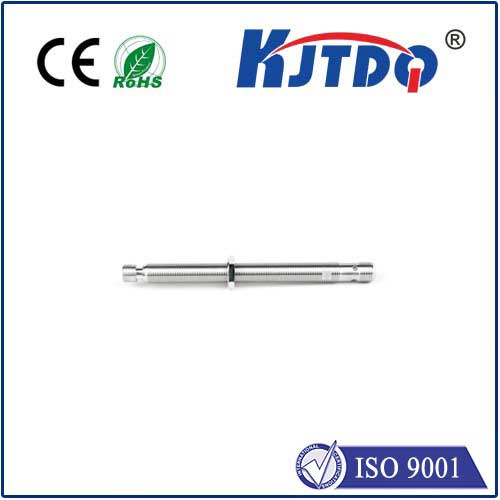
In the world of vertical transportation, the reliability and safety of elevator systems are paramount. For Otis 2LS models, a key component driving this operational excellence is the proximity sensor. This sophisticated technology serves as the silent guardian of the elevator shaft, ensuring smooth, efficient, and secure journeys for passengers every day. Unlike traditional mechanical switches, proximity sensors operate without physical contact, using electromagnetic fields or infrared beams to detect the presence of the elevator car or counterweight. This non-contact principle is crucial for the Otis 2LS, a system renowned for its durability and modern design, as it significantly reduces wear and tear, minimizes maintenance downtime, and extends the overall lifespan of critical components.
The integration of a high-quality proximity sensor specifically designed for the Otis 2LS platform addresses several core operational challenges. One of its primary functions is precise floor leveling. By accurately detecting target positions on each floor, the sensor provides real-time data to the elevator's control system. This allows for micro-adjustments, ensuring the car stops perfectly aligned with the floor landing every time. This precision eliminates tripping hazards, facilitates easier access for wheelchairs and carts, and enhances the passenger experience through seamless entry and exit. For building managers and owners, this translates to fewer passenger complaints and a marked improvement in service quality.
Beyond passenger comfort, the proximity sensor is a fundamental pillar of safety for the Otis 2LS elevator. It plays a critical role in monitoring the position and movement of the elevator car and its counterweight within the hoistway. By continuously verifying that all components are within their designated safe travel paths, the sensor helps prevent potential overspeed conditions or unintended movements. In the event of an anomaly, it can send an immediate signal to the safety circuit, triggering appropriate protocols to bring the system to a controlled stop. This proactive safety feature is integral to modern elevator codes and standards, providing peace of mind for both operators and passengers.
Furthermore, the diagnostic capabilities offered by modern proximity sensors contribute significantly to predictive maintenance strategies for Otis 2LS units. These sensors can monitor their own health and the consistency of their detection signals. Technicians can access this data to identify trends, such as a gradual weakening of a signal, which might indicate dirt accumulation, minor misalignment, or early signs of component aging. Addressing these issues during scheduled maintenance, before they escalate into a system fault or failure, is far more cost-effective and less disruptive than emergency repairs. This predictive approach maximizes elevator uptime, optimizes maintenance budgets, and ensures long-term operational reliability.
Selecting the right proximity sensor for an Otis 2LS elevator is not a generic task. It requires careful consideration of specifications such as sensing range, output type (e.g., NPN or PNP), voltage requirements, and physical housing to withstand the elevator shaft environment, which may involve dust, temperature variations, and vibration. Using OEM-specified or high-compatibility aftermarket sensors ensures seamless integration with the Otis 2LS control logic. Proper installation and calibration by certified technicians are equally important to guarantee optimal performance and avoid false triggers or missed detections that could impact operation.
In conclusion, the proximity sensor is far more than a simple switch in an Otis 2LS elevator. It is a sophisticated electronic sentinel that enhances precision, fortifies safety, and enables smarter maintenance. For facility managers, property owners, and service providers, investing in and properly maintaining these sensors is a direct investment in the elevator's performance, safety record, and total cost of ownership. As elevator technology continues to evolve, the role of reliable sensing components like the proximity sensor for the Otis 2LS will remain central to delivering the quiet, dependable, and safe vertical transit that modern buildings require.