check

check

check

check

check

check
In the world of industrial automation and machinery, precision and reliability are non-negotiable. The need for accurate, non-contact detection of metallic objects is a cornerstone of countless applications, from assembly lines and packaging machines to safety systems and material handling. This is where the LJ18A3-8-Z/BX inductive proximity sensor stands out as a robust and dependable solution. Engineered for performance, this sensor exemplifies the technological excellence that professionals rely on to maintain seamless operations.
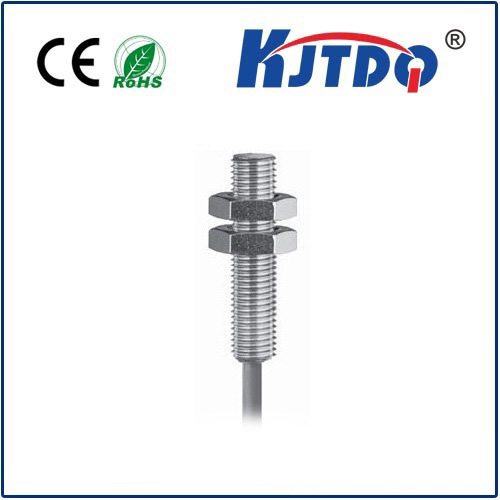
The LJ18A3-8-Z/BX is a cylindrical, shielded inductive proximity sensor with an 18mm diameter. Its "Z/BX" designation typically indicates a specific wiring configuration and output type, often a 3-wire DC version with either a PNP (sourcing) or NPN (sinking) transistor output, providing a clear digital signal upon detection. The key specification "8" denotes its nominal sensing distance of 8 millimeters. This standardized range allows for consistent and predictable performance when detecting ferrous metals like steel and iron. The shielded design is a critical feature, meaning the sensor's magnetic field is concentrated at its front face. This allows for flush mounting in metal without false triggering, a significant advantage in space-constrained installations.
So, what makes this particular sensor a preferred choice? The answer lies in its combination of durability, precision, and adaptability. Housed in a rugged nickel-plated brass or stainless-steel barrel, the LJ18A3-8-Z/BX is built to withstand harsh industrial environments. It is resistant to common challenges such as dust, oil, coolant sprays, and mechanical vibrations. This resilience ensures a long operational life with minimal maintenance, reducing downtime and total cost of ownership. Its high switching frequency enables it to detect rapidly moving objects, making it suitable for high-speed counting and positioning tasks. Furthermore, the LED status indicator provides immediate visual feedback on the sensor's operational state, simplifying setup, troubleshooting, and diagnostics.
The practical applications for the LJ18A3-8-Z/BX are vast and varied. In manufacturing, it is frequently used for end-of-stroke detection on cylinders, verifying the presence or absence of parts on a conveyor, and ensuring precise positioning in machining centers. In automated systems, it plays a vital role in robotic arm positioning, ensuring grippers are correctly aligned before picking up a component. It is also integral to safety interlocking, where it can confirm a guard door is securely closed before machinery is allowed to operate. The reliability of its non-contact operation eliminates the wear and tear associated with mechanical limit switches, leading to more consistent performance over time.
When integrating the LJ18A3-8-Z/BX into a system, several best practices ensure optimal performance. Correct mounting is paramount; ensuring the sensor is securely fixed at the proper distance from the target object is essential. Understanding the target material is also crucial, as the effective sensing range can be slightly reduced for non-ferrous metals. Electrical compatibility must be verified—confirming whether the control system requires a PNP or NPN output and ensuring the voltage supply (commonly 10-30V DC) matches the sensor's specifications. Proper wiring, following the manufacturer's datasheet for the brown (positive), blue (negative), and black (output) wires, is a fundamental step to avoid malfunctions.
Selecting the right sensor for a specific task involves considering factors beyond just the sensing range. Environmental conditions like temperature extremes, potential exposure to chemicals, and the required IP (Ingress Protection) rating should all align with the LJ18A3-8-Z/BX's specifications. Its typical IP67 rating means it is protected against dust ingress and temporary immersion in water, making it suitable for demanding settings. For applications requiring even longer ranges or detection of non-metallic objects, other sensor types like capacitive or ultrasonic models might be considered. However, for reliable detection of standard metals in compact, tough environments, the inductive LJ18A3-8-Z/BX remains a top-tier choice.
In conclusion, the LJ18A3-8-Z/BX proximity sensor is more than just a component; it is a critical enabler of efficiency and safety in modern automation. Its robust construction, precise 8mm sensing capability, and versatile shielded design provide a reliable foundation for countless detection tasks. By understanding its features, applications, and integration requirements, engineers and technicians can leverage this sensor to build more reliable, productive, and intelligent systems. In the relentless pursuit of operational excellence, choosing proven and dependable components like the LJ18A3-8-Z/BX is a decision that pays dividends in performance and peace of mind.