check

check

check

check

check

check
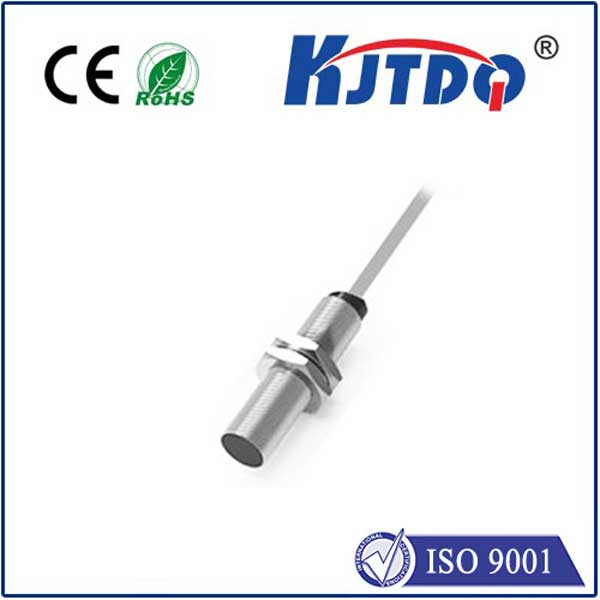
In the rapidly evolving landscape of industrial automation, precision, reliability, and durability are non-negotiable. The M12 Proximity Sensor Switch stands as a cornerstone technology in this domain, offering unparalleled performance in a compact and robust form factor. Designed to meet the rigorous demands of modern manufacturing, packaging, and material handling systems, this sensor switch is engineered for excellence.
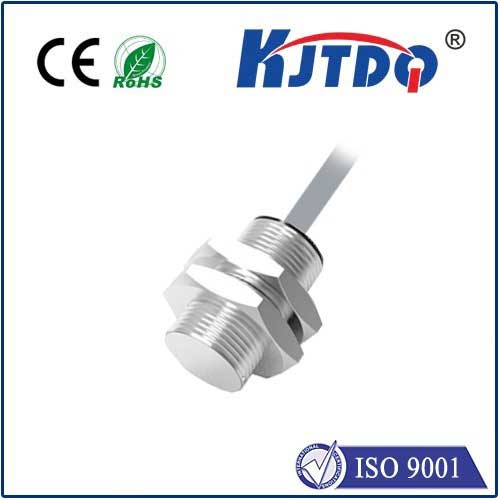
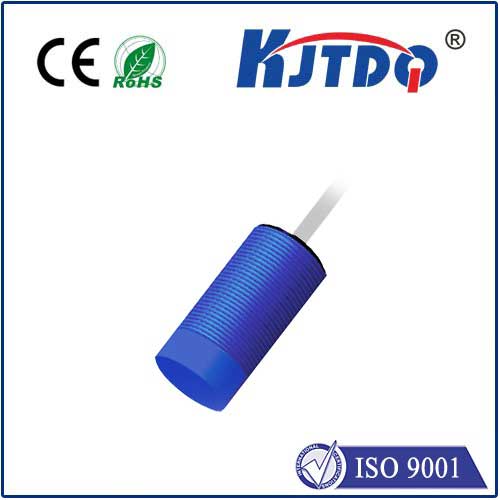
The M12 designation refers to the standardized 12mm threaded barrel housing, a common form factor that ensures easy integration and replacement within global industrial ecosystems. This sensor operates on the principle of detecting the presence or absence of a metallic target without any physical contact. By generating an electromagnetic field, it senses when a ferrous or non-ferrous metal object enters its detection range, triggering a switch signal. This non-contact operation is its greatest asset, eliminating mechanical wear and tear, which translates to significantly longer service life and reduced maintenance costs compared to mechanical limit switches.
Key to its widespread adoption is its exceptional environmental resilience. Typically rated with IP67 or higher ingress protection, the M12 proximity sensor switch is shielded against dust, oil, and temporary immersion in water. This makes it perfectly suited for harsh industrial environments where coolant, metal chips, and constant vibration are everyday challenges. The robust construction, often featuring stainless steel or nickel-plated brass housings, withstands physical impacts and corrosive substances, ensuring consistent operation.
Performance specifications are where the M12 sensor truly shines. With detection ranges varying from 2mm to 8mm depending on the model and target material, it offers precise positioning feedback. Its high switching frequency allows it to detect objects on fast-moving production lines without missing a beat. Furthermore, models are available in different output configurations—NPN (sinking) or PPN (sourcing), and normally open (NO) or normally closed (NC)—providing the flexibility needed to interface seamlessly with a vast array of Programmable Logic Controllers (PLCs), motor drives, and other control systems.
The application spectrum is vast. In automotive assembly lines, M12 sensors precisely count components or verify the position of robotic arms. In packaging machinery, they ensure products are correctly aligned for labeling and sealing. Within conveyor systems, they detect the passage of items for sorting and routing logic. Their use is critical in safety interlock systems as well, preventing machine operation when guards are open.
Installation and wiring are straightforward, thanks to the standardized M12 connector system. This plug-and-play capability minimizes downtime during installation or replacement. Pre-wired cables or separate connector versions offer further flexibility for panel builders and machine integrators.
When selecting an M12 proximity sensor switch, engineers must consider several factors: the required sensing distance, the material of the target object (steel, aluminum, brass), the operating voltage (commonly 10-30V DC), and the environmental conditions. Choosing a sensor with a short-circuit and reverse polarity protection feature adds an extra layer of system reliability.
Looking ahead, the integration of IO-Link communication into M12 proximity sensors represents the next frontier. This smart sensor technology enables not just binary detection but also the transmission of parametric data like temperature, operating hours, and signal strength for predictive maintenance, aligning perfectly with Industry 4.0 initiatives.
In conclusion, the M12 Proximity Sensor Switch is far more than a simple component; it is a vital enabler of efficiency, safety, and intelligence in automated systems. Its robust design, reliable non-contact sensing, and industry-standard form factor make it an indispensable tool for engineers seeking to build resilient and high-performing machinery. By providing accurate and dependable feedback, it forms the sensory foundation upon which precise and efficient industrial automation is built.