check

check

check

check

check

check
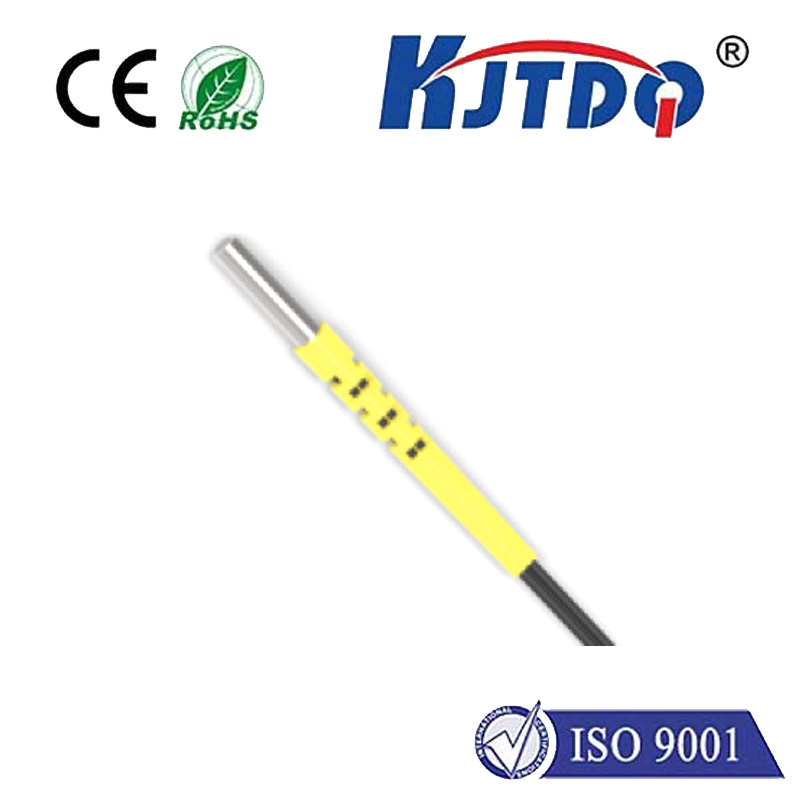
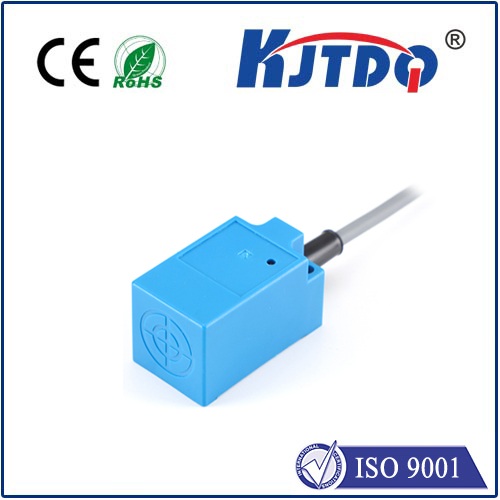
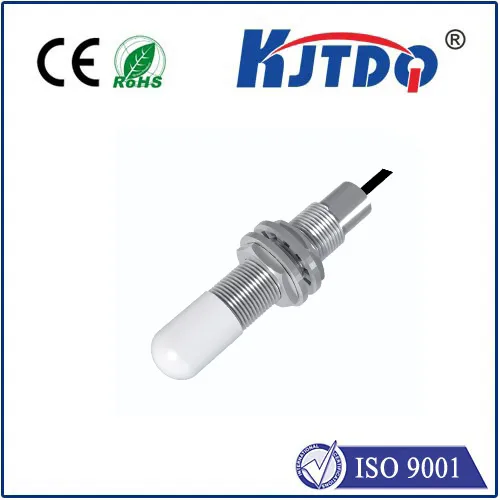
In the world of industrial automation, where every millimeter counts and reliability is non-negotiable, the demand for compact, high-performance sensing solutions has never been greater. Enter the micro mini inductive proximity sensor, a technological marvel that is redefining the limits of precision detection. These sensors, often no larger than a pencil eraser, are engineered to deliver robust performance in the most confined environments where traditional sensors simply cannot fit.
The core principle behind an inductive proximity sensor is electromagnetic induction. The sensor generates an oscillating electromagnetic field from its face. When a metallic target object enters this field, eddy currents are induced on the surface of the metal. This causes a change in the oscillation amplitude within the sensor's circuit, which is then detected and converted into a clean, switch-like output signal. What sets the *micro mini* variant apart is the miniaturization of this entire system without compromising on key performance metrics. Advanced coil winding techniques, specialized ferrite cores, and application-specific integrated circuits (ASICs) allow these tiny devices to maintain impressive sensing ranges relative to their size, often detecting small metal objects like screws, springs, or actuator flags with micron-level repeatability.
The applications for these diminutive powerhouses are vast and critical. In the electronics manufacturing sector, they are indispensable for verifying the presence of miniature components on circuit boards before soldering. Within intricate robotic grippers and end-effectors, they provide real-time feedback on part positioning, enabling delicate assembly tasks. The medical device industry relies on them for precise position sensing in diagnostic equipment and automated drug dispensers, where hygiene and space constraints are paramount. Furthermore, in high-speed packaging machinery, micro mini sensors monitor cams, detect tiny metallic seals, or count small products on fast-moving conveyors, ensuring flawless operation without adding bulk.
Selecting the right micro mini inductive sensor requires careful consideration of several factors beyond just size. The sensing distance, typically specified as a fraction of the sensor's diameter (e.g., 1mm for a 4mm diameter sensor), must be matched to the application. The target material is also crucial; while ferrous metals like steel provide the longest sensing range, these sensors can also detect non-ferrous metals like aluminum, copper, or brass, albeit at a reduced range. Environmental robustness is another key advantage. Many models feature solid-state designs with no moving parts, housed in stainless steel or nickel-plated brass barrels, making them inherently resistant to vibration, shock, and contaminants like oil or coolant splash. This durability ensures a long operational life even in harsh workshop conditions.
Modern iterations offer enhanced features that boost versatility. Shielded (flush-mountable) designs allow installation flush with a metal bracket without affecting performance, ideal for space-saving layouts. Conversely, non-shielded types offer slightly longer ranges but require clearance around the sensing face. Output configurations include NPN (sinking) and PNP (sourcing) transistor outputs, as well as analog and IO-Link versions, facilitating seamless integration into any control system, from simple PLCs to sophisticated Industry 4.0 networks. IO-Link connectivity, in particular, transforms these sensors from simple switches into intelligent devices, enabling remote parameter setting, condition monitoring, and detailed diagnostic data reporting.
Installation and maintenance are straightforward but demand attention to detail. Ensuring the correct voltage supply (commonly 10-30V DC) and proper wiring is fundamental. Mounting stability is critical, as any movement can affect detection accuracy. For optimal performance, it is essential to maintain a clean sensing face free of debris and to account for the sensor's temperature operating range, which typically spans from -25°C to 70°C. Regular functional checks are recommended as part of a preventive maintenance schedule to avoid unexpected downtime.
In conclusion, the micro mini inductive proximity sensor is far more than just a shrunken-down version of its larger counterparts. It represents a focused engineering achievement that solves a specific set of challenges in modern manufacturing and automation. By offering uncompromising detection reliability, exceptional durability, and smart features in an ultra-compact form factor, it empowers engineers and designers to innovate and optimize machinery designs that were previously impossible. As industries continue to push for greater miniaturization and efficiency, these sensors will undoubtedly remain at the forefront, enabling the next generation of precise, automated systems.