check

check

check

check

check

check
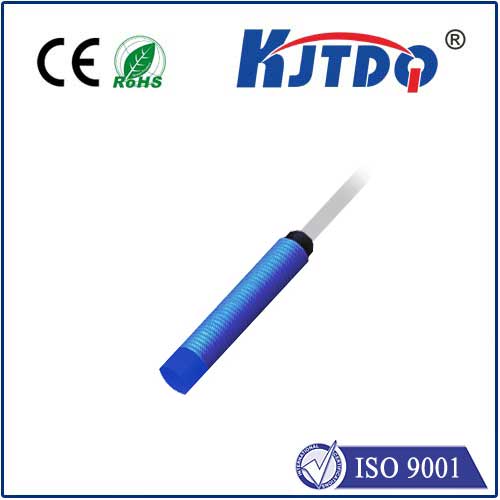
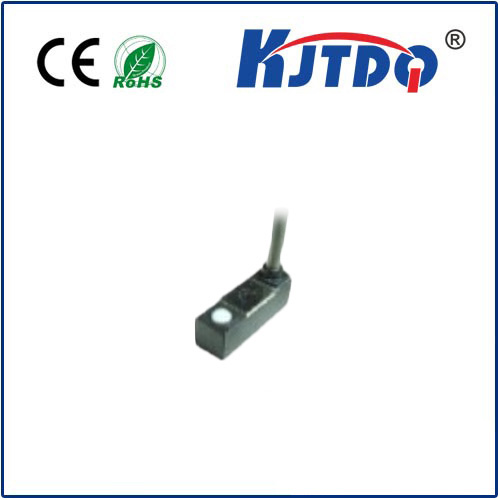
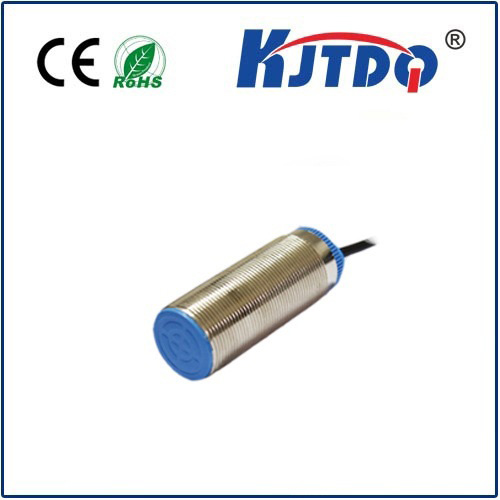
In the world of industrial automation and electronic control, the precise detection of objects is paramount. Among the various technologies employed for this purpose, the proximity sensor stands out for its reliability and non-contact operation. Specifically, sensors configured with a PNP (Positive-Negative-Positive) switching output and a Normally Open (NO) contact configuration are fundamental components in countless systems. Understanding what a PNP NO proximity sensor is, how it functions, and where it is applied is crucial for engineers, technicians, and enthusiasts alike.
At its core, a proximity sensor is a device that detects the presence or absence of an object within its sensing range without physical contact. It does this by emitting an electromagnetic field or a beam of electromagnetic radiation and looking for changes in the field or return signal. The "PNP" designation refers to the type of transistor output used in the sensor's switching circuit. In a PNP sensor, the output switch connects the load to the positive voltage supply when activated. In simpler terms, when the sensor detects a target, it switches "on" and provides a positive signal (e.g., +24V) to the connected device, such as a programmable logic controller (PLC) input or a relay.
The "NO" or Normally Open part of the specification describes the default state of the sensor's electrical contacts. In a Normally Open configuration, the circuit is open (no current flows) when the sensor is in its idle state, meaning no target is within the detection range. When a target enters the sensing field, the internal switch closes the circuit, allowing current to flow to the connected load. This action is intuitive: the sensor's output is "off" until it sees something, then it turns "on." This is contrasted with a Normally Closed (NC) configuration, where the circuit is complete in the idle state and opens upon detection.
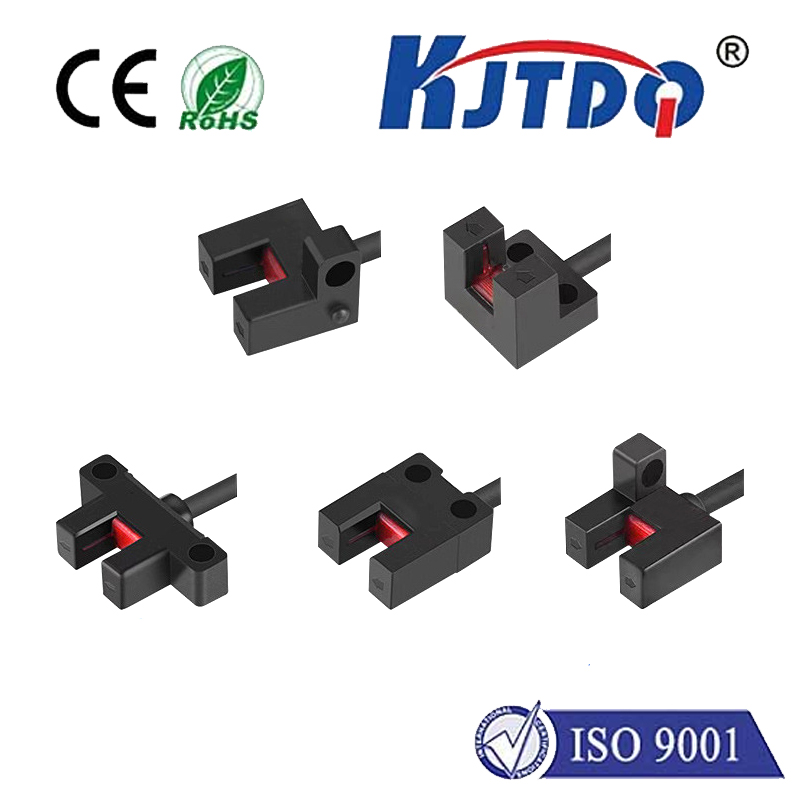
The combination of PNP and NO creates a very common and versatile sensor type. When a metallic or other detectable object enters the sensor's operational range, the internal electronics trigger the PNP transistor to conduct, effectively connecting the signal wire (usually the black or blue wire, but always check the datasheet) to the positive supply voltage. This voltage signal is then read as a "high" or "1" logic state by the receiving control unit. The physical construction of these sensors can vary, including inductive types for detecting metals, capacitive types for detecting both metals and non-metals, and ultrasonic or photoelectric versions for longer ranges.
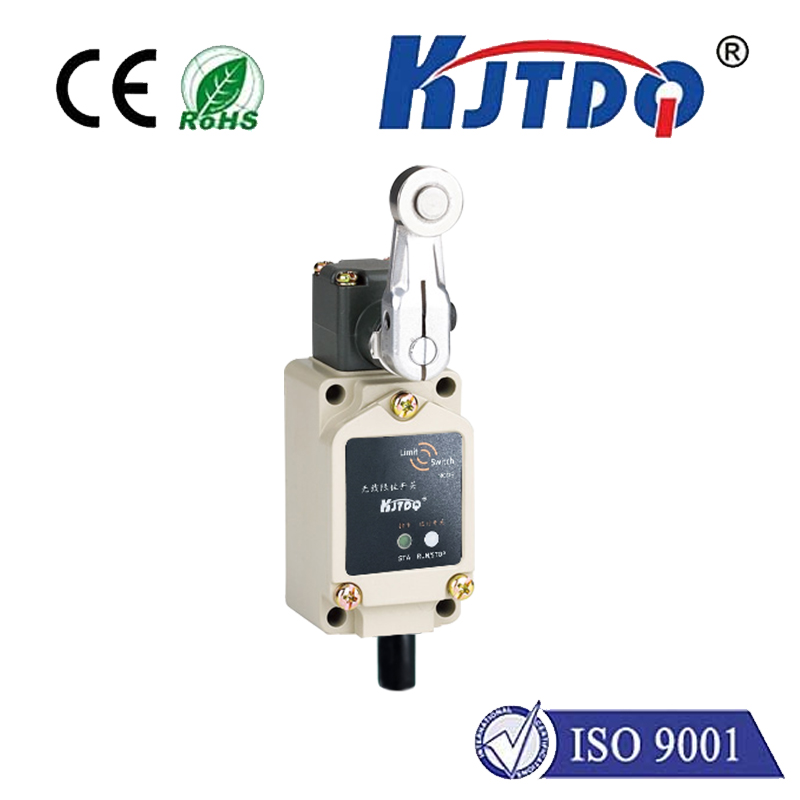
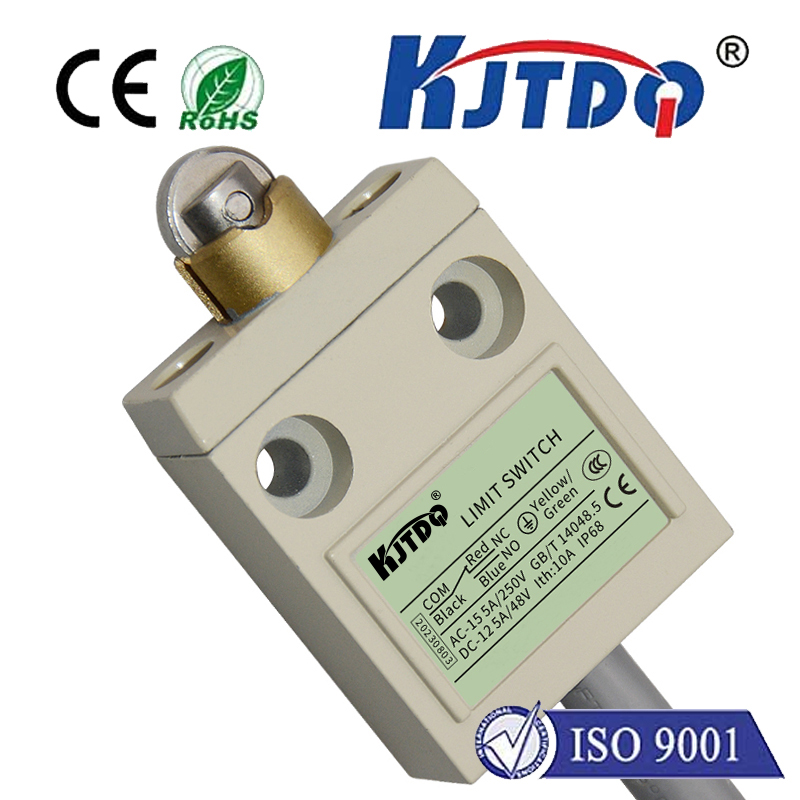
The applications for PNP NO proximity sensors are vast and span across industries. On automated assembly lines, they are used for part presence verification, counting, and position sensing. In packaging machinery, they ensure products are correctly positioned for wrapping or boxing. Within robotic systems, they provide end-of-arm tooling feedback and help define safe working envelopes. They are also integral to material handling systems for detecting pallets, monitoring conveyor belt jams, and controlling gate operations. Their robust, solid-state design (with no moving mechanical parts in the sensing element) makes them ideal for harsh environments with dust, moisture, or vibration, where traditional limit switches might fail.
Selecting the right PNP NO sensor involves considering several key parameters. The sensing distance, or the maximum range at which it can reliably detect a standard target, is primary. The housing material (often nickel-plated brass or stainless steel) must suit the environmental conditions, including potential exposure to chemicals or washdowns. The electrical specifications, such as operating voltage (commonly 10-30V DC) and current rating, must match the control system's power supply and load requirements. Furthermore, output timing characteristics and whether the sensor is shielded (flush-mountable) or non-shielded (requiring side clearance) are critical for proper installation.
Installation and wiring are straightforward but require attention to detail. A typical three-wire DC PNP NO sensor will have a brown wire for positive supply (+V), a blue wire for negative supply (0V or common), and a black wire for the switched output signal. The load (e.g., the PLC input) is connected between the black output wire and the blue common wire. When wiring, it is essential to ensure correct polarity and to follow all safety and electrical codes. Diagnostic LEDs on the sensor housing usually provide visual confirmation of power status and output activation, aiding in setup and troubleshooting.
In summary, the PNP NO proximity sensor is a workhorse of modern industrial control. Its design offers a clear and reliable switching action: a positive voltage signal is presented to the control system precisely when an object is detected. This predictable behavior, combined with durability and non-contact sensing, makes it an indispensable tool for enhancing efficiency, safety, and precision in automated processes. From simple object detection to complex sequential control, understanding and utilizing this sensor type is a foundational skill in mechatronics and automation engineering.