check

check

check

check

check

check
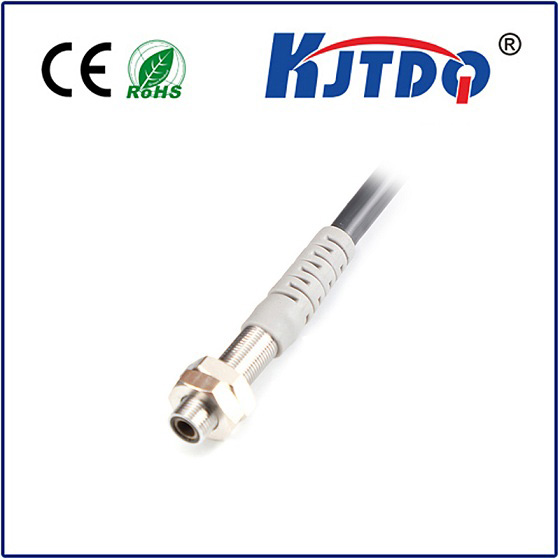
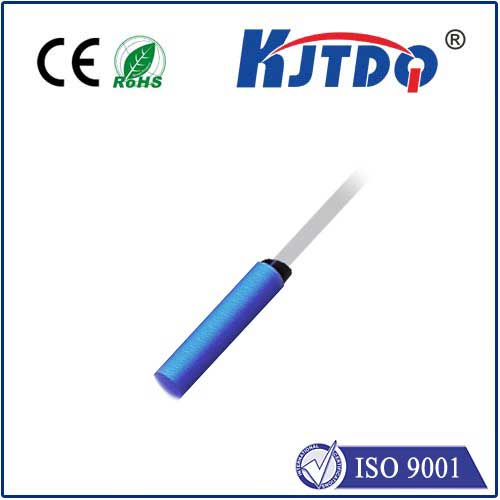
In the rapidly evolving landscape of human-machine interfaces, the quest for more intuitive, reliable, and hygienic interaction methods has led to significant technological breakthroughs. Among these, the flat capacitive proximity sensor stands out as a pivotal innovation, quietly transforming how we engage with a vast array of electronic devices. Unlike traditional mechanical buttons or even standard touchscreens, this sensor technology enables detection without physical contact, opening a new realm of possibilities for design and functionality.
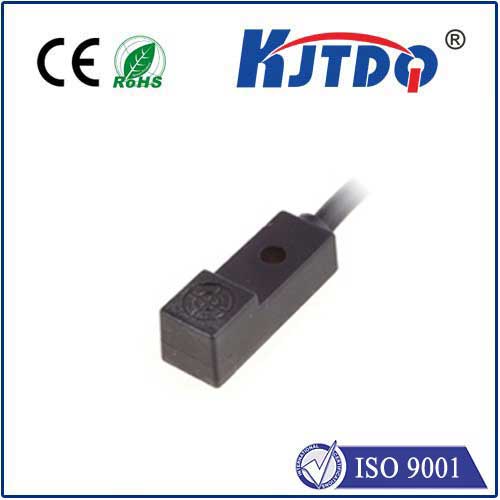
At its core, a flat capacitive proximity sensor operates on the principle of capacitance change. It consists of a patterned electrode, often made from a transparent conductive material like Indium Tin Oxide (ITO) or a fine printed metal mesh, laminated into a flat, thin substrate. This electrode creates an electrostatic field. When an object, most commonly a human finger or hand, enters this field, it disturbs the field lines, causing a measurable change in capacitance. Sophisticated integrated circuitry then processes this minute change, triggering a predefined action. The "flat" designation is crucial; it refers to the sensor's form factor—slim, flexible, and seamlessly integrable into surfaces without protrusions, making it ideal for sleek, modern industrial design.
The applications of this technology are both diverse and expanding. In the consumer electronics sector, it is the driving force behind touchless gesture control in smartphones, tablets, and laptops. A simple wave of the hand can scroll through a webpage, pause a video, or silence an alarm, enhancing convenience and preventing screen smudges. The automotive industry leverages flat capacitive sensors for touchless control panels and proximity-aware interior lighting, allowing drivers to adjust settings with a hovering finger, minimizing distraction. In home appliances, from kitchen hoods to smart faucets, these sensors enable hygienic, touch-free operation—a feature whose value has been profoundly underscored in recent years. Furthermore, they are finding roles in industrial control panels, medical equipment (where sterility is paramount), and interactive digital signage in public spaces.
The advantages over other sensing technologies are compelling. Compared to infrared (IR) sensors, flat capacitive variants are less susceptible to interference from ambient light and can detect through non-conductive materials like glass or plastic, allowing for completely sealed, waterproof designs. They offer higher resolution and sensitivity than ultrasonic sensors. Most importantly, they provide a more natural user experience compared to mechanical buttons, which are prone to wear and tear, or basic resistive touchscreens. The ability to sense proximity before actual touch also allows for innovative UI feedback, such as illuminating controls as a hand approaches.
However, implementing this technology is not without its challenges. Engineers must carefully consider factors like sensor pattern design, shielding from electromagnetic interference (EMI), and the tuning of sensitivity to avoid false triggers from environmental factors. Calibration is key to ensuring consistent performance across different operating conditions and for various users. Despite these complexities, ongoing advancements in controller ICs with advanced algorithms for noise rejection and self-calibration are making integration more robust and accessible.
Looking ahead, the integration of flat capacitive proximity sensing with other technologies like artificial intelligence and the Internet of Things (IoT) promises even smarter environments. Imagine a workspace that not only turns on lights as you approach but also loads your personalized desktop settings based on who is detected. Or consider kitchen counters that recognize different gestures for controlling multiple integrated appliances. The flat capacitive proximity sensor, particularly the advanced iterations denoted by KJTDQ, is more than just a switch; it is a foundational enabler for the next generation of responsive, intuitive, and seamless interactive experiences. As devices continue to become more integrated into our lives, this invisible layer of intelligence will play an increasingly critical role in making our interactions with technology feel effortless and natural.