check

check

check

check

check

check
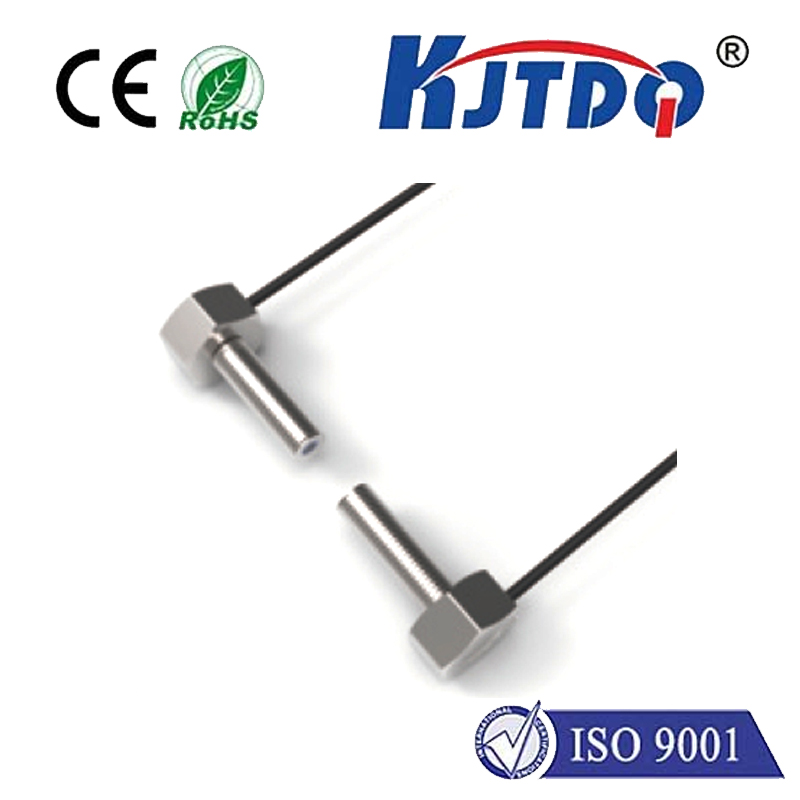
In industrial automation, manufacturing, and heavy machinery operations, the ability to detect objects or monitor positions reliably is paramount. However, many standard sensors falter when faced with one of the most common yet challenging conditions: intense heat. This is where the specialized heat resistant proximity sensor becomes an indispensable component, designed to deliver consistent performance where others would fail. The KJTDQ series represents a significant advancement in this critical field, offering robust solutions for high-temperature applications.
Traditional inductive or capacitive proximity sensors have operational temperature limits, often maxing out around 70-80°C. When exposed to temperatures beyond this range, their internal electronics can degrade, housings may warp, and sensing accuracy drifts, leading to premature failure and costly unplanned downtime. Processes like metal casting, glass manufacturing, welding automation, and engine testing generate ambient heat that easily surpasses these limits. A heat resistant proximity sensor is engineered specifically to withstand these conditions. Key to its design is the use of high-temperature-grade materials. This includes specialized PPS, PTFE, or ceramic housings that resist thermal expansion and degradation. Internally, components like high-temperature solder, heat-resistant cables, and thermally stable oscillators are employed. The KJTDQ sensor, for instance, utilizes a sealed construction that protects its core circuitry from not only heat but also associated contaminants like molten splash or conductive dust prevalent in hot environments.
The primary benefit of integrating a heat resistant proximity sensor like the KJTDQ is unparalleled reliability. By maintaining a stable sensing field and consistent switching points at elevated temperatures—often up to 150°C, 200°C, or even higher for certain models—it ensures that automated processes continue without interruption. This reliability directly translates to increased production efficiency, reduced waste from faulty triggers, and lower maintenance costs by eliminating frequent sensor replacements. In a die-casting machine, for example, such a sensor can reliably detect the position of a molten metal injector near the heated die. In a bakery oven conveyor system, it can count trays without succumbing to the ambient heat.
Selecting the right heat resistant proximity sensor requires careful consideration of several parameters beyond just the maximum temperature rating. The sensing distance must be adequate for the application, considering that extreme heat might affect the sensing field slightly. The housing material must be compatible with the environment—whether it's exposure to direct flame, hot oils, or steam. Electrical requirements, such as voltage supply and output type (PNP/NPN, NO/NC), must match the control system. The KJTDQ series addresses these needs with a range of options, including various housing shapes (cylindrical, rectangular), sensing technologies (inductive for metals, capacitive for non-metals), and connection types. Its design often incorporates thermal barriers or cooling fins to dissipate heat away from the sensitive electronic components, further enhancing its lifespan.
Installation and maintenance practices are crucial for maximizing the performance of any heat resistant sensor. Even a sensor rated for high temperatures can fail if installed improperly. It is essential to follow mounting guidelines, ensuring adequate clearance from extreme heat sources when possible and using appropriate high-temperature cabling and connectors. Regular checks for physical damage, buildup of debris, or insulation degradation on cables help in proactive maintenance. The robust build of the KJTDQ sensor minimizes maintenance needs, but simple visual inspections and functional tests are recommended as part of routine equipment servicing.
From automotive paint drying lines to steel mill roller positions, the applications for heat resistant proximity sensors are vast and critical. They are the unsung heroes that enable automation to push into hotter, harsher, and more productive realms. The KJTDQ series embodies this engineering focus, providing a dependable "eye" in the heat of the action. By choosing a sensor specifically designed for thermal endurance, engineers and plant managers safeguard their operations against one of the most common causes of sensor failure, ensuring smoother, more predictable, and more profitable production outcomes. Investing in quality heat resistant technology is not an expense but a strategic move towards greater operational resilience.