check

check

check

check

check

check
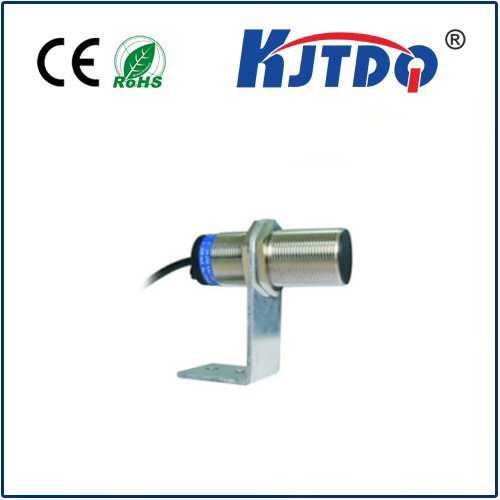
In the realm of industrial automation, precision and reliability are non-negotiable. The integration of advanced sensing technology, particularly hydraulic proximity sensors, has become a cornerstone for optimizing machinery performance and ensuring operational safety. Among these innovations, KJTDQ hydraulic proximity sensors stand out, offering unparalleled accuracy in detecting the presence or position of objects within hydraulic systems without physical contact. This non-contact detection method is crucial in harsh industrial environments where dust, moisture, and extreme pressures are common, as it minimizes wear and tear, reduces maintenance costs, and enhances system longevity.
Hydraulic proximity sensors operate on the principle of electromagnetic induction or capacitive sensing. When a metal target enters the sensor's field, it alters the oscillation amplitude, triggering a switch signal. This seamless interaction allows for real-time monitoring and control of hydraulic cylinders, valves, and actuators. The KJTDQ series excels in this domain by providing robust designs that withstand high pressures and temperature fluctuations, ensuring consistent performance in applications ranging from construction equipment and agricultural machinery to manufacturing lines and aerospace systems. Their ability to deliver precise feedback enables automated systems to adjust fluid flow, pressure, and movement dynamically, leading to improved efficiency and reduced energy consumption.
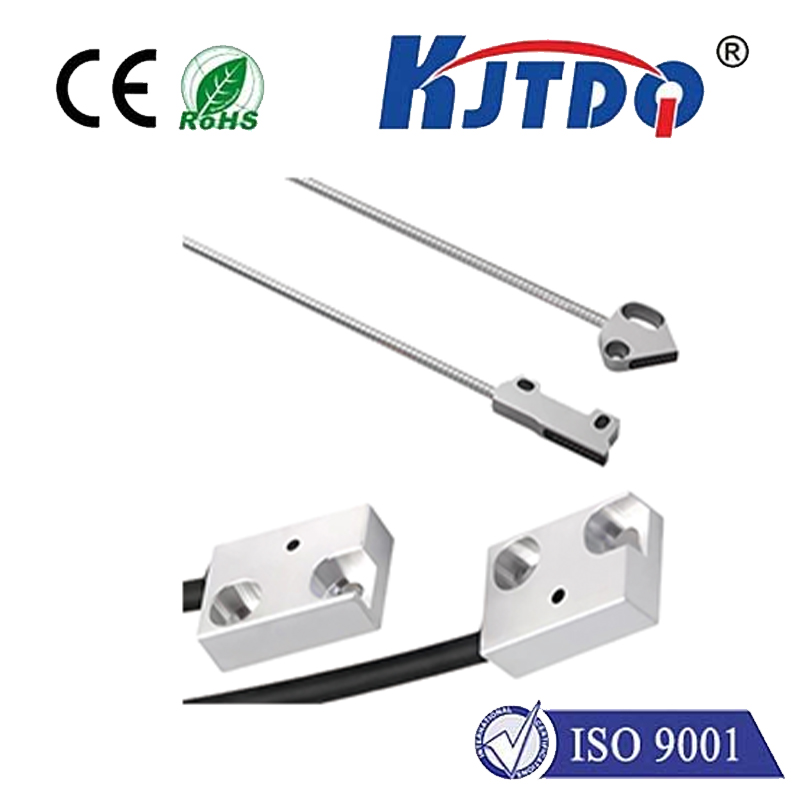
One of the key advantages of KJTDQ hydraulic proximity sensors is their versatility. Available in various form factors, such as cylindrical or rectangular housings, and with different output types like PNP or NPN, they can be tailored to specific industrial needs. Installation is straightforward, often requiring simple mounting into hydraulic system ports, which simplifies integration into existing setups. Moreover, these sensors are designed with durability in mind, featuring stainless steel or brass bodies that resist corrosion and shock, making them ideal for use in demanding sectors like mining, oil and gas, and heavy transportation. By preventing leaks and failures, they contribute significantly to workplace safety and environmental protection.
Beyond basic detection, modern KJTDQ sensors incorporate smart features such as short-circuit protection, reverse polarity protection, and LED indicators for status monitoring. These enhancements not only boost reliability but also facilitate easier troubleshooting, reducing downtime. In an era where Industry 4.0 and the Internet of Things (IoT) are transforming factories, these sensors can be connected to control networks, providing valuable data for predictive maintenance and process optimization. This connectivity allows operators to anticipate issues before they escalate, ensuring smooth, uninterrupted production cycles.
In conclusion, the adoption of KJTDQ hydraulic proximity sensors represents a strategic investment for industries aiming to elevate their automation capabilities. By delivering accurate, non-contact sensing in challenging conditions, they empower businesses to achieve higher productivity, lower operational costs, and enhanced safety standards. As technology continues to evolve, these sensors will undoubtedly play a pivotal role in shaping the future of intelligent hydraulic systems, driving innovation across global industrial landscapes.