check

check

check

check

check

check
In the intricate world of industrial automation and machinery, the reliability of a single component can dictate the efficiency of an entire production line. Among these critical components, proximity sensors stand as silent sentinels, enabling non-contact detection with remarkable precision. The Proximity Sensor FI1.5D-KM12H15-OP6Q12 emerges as a standout solution in this category, engineered to meet the rigorous demands of modern applications. This guide delves into the core features, operational principles, and diverse use cases of this advanced sensor, providing a comprehensive overview for engineers and procurement specialists.
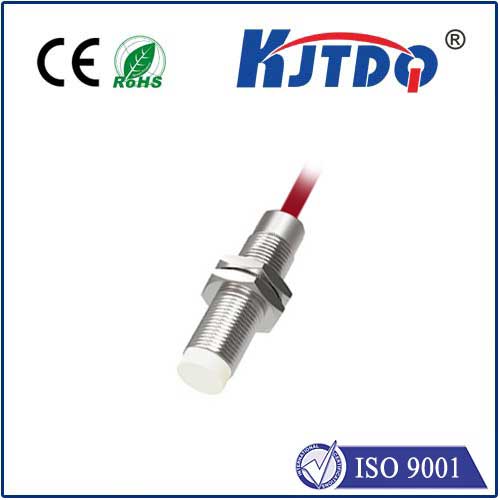
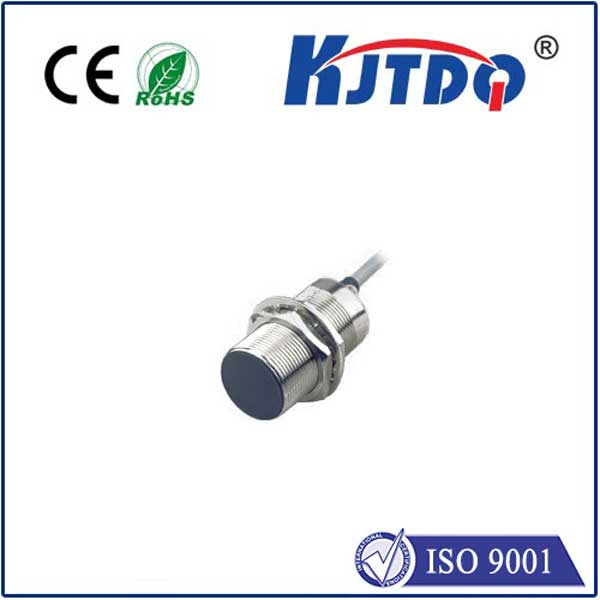
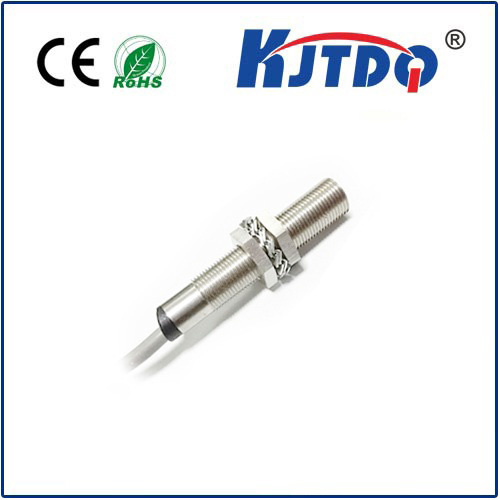
At its heart, the FI1.5D-KM12H15-OP6Q12 is an inductive proximity sensor. This technology operates on a fundamental principle: it generates an electromagnetic field from its sensing face. When a metallic target object enters this field, eddy currents are induced within the object. The sensor detects the change in oscillation amplitude caused by these currents, triggering a solid-state switching signal without any physical contact. The "FI1.5D" designation typically refers to a flush-mountable cylindrical housing with a specific diameter, often M12 or M18, allowing for easy installation in tight spaces without a lateral sensing zone. The "KM12H15" and "OP6Q12" codes are crucial identifiers from the manufacturer, detailing specific electrical characteristics, output configurations, and connection types. For instance, this model likely features a PNP normally-open (NO) or normally-closed (NC) output, operates on a standard DC voltage range (e.g., 10-30V DC), and offers a defined switching distance.
The performance specifications of the FI1.5D-KM12H15-OP6Q12 are what set it apart. A key metric is its nominal sensing distance, denoted in the model name. It is designed for precise detection at short ranges, ensuring accurate positioning of metal parts. Built with a robust housing, often from nickel-plated brass or stainless steel, it exhibits exceptional resistance to shock, vibration, and common industrial contaminants like coolants and metal chips. Its IP67 or higher ingress protection rating guarantees reliable operation in harsh environments, including exposure to water and dust. The sensor's high switching frequency enables it to detect rapidly moving objects, making it ideal for high-speed counting or sorting applications on conveyor systems.
The versatility of this proximity sensor is demonstrated across numerous sectors. In automotive manufacturing, it is deployed on robotic welding arms to confirm the presence of sheet metal panels before a weld is executed. Within packaging machinery, it ensures caps are correctly positioned on bottles before filling. On CNC machining centers, it acts as a tool presence sensor, verifying that a drill bit or milling cutter is properly seated in the tool holder, preventing costly crashes. Its flush-mount design is particularly valuable in metal fabrication, where it can be embedded into machine frames to detect the passage of metal plates without protruding and risking damage.
Selecting and installing the FI1.5D-KM12H15-OP6Q12 requires attention to detail. The first step is verifying the target material; inductive sensors are specifically for ferrous and non-ferrous metals. The required sensing distance, environmental conditions, and electrical interface (e.g., cable or connector type specified by "OP6Q12") must align with the application needs. During installation, ensuring the correct mounting, maintaining the recommended clearance from other metal objects, and proper wiring according to the datasheet are paramount for optimal performance and longevity. Regular maintenance, though minimal, involves keeping the sensing face clean from buildup of metallic debris, which could affect its sensitivity.
In conclusion, the Proximity Sensor FI1.5D-KM12H15-OP6Q12 represents a fusion of robust design, precise inductive sensing technology, and application-specific engineering. Its detailed model number is a blueprint of its capabilities, guiding users to a reliable component for automation tasks. For engineers seeking to enhance system reliability, reduce mechanical wear through non-contact operation, and achieve precise control in metal detection applications, this sensor provides a proven and dependable solution. Understanding its specifications and correct implementation is key to unlocking its full potential on the factory floor.