check

check

check

check

check

check
In the rapidly evolving landscape of smart technology and industrial automation, South Korea has emerged as a global powerhouse. At the heart of this transformation lies a critical, yet often overlooked component: the proximity sensor. Korean manufacturers and tech innovators are not merely producing these sensors; they are redefining their capabilities, pushing the boundaries of precision, miniaturization, and integration. This leadership is propelling advancements across a multitude of sectors, from consumer electronics and automotive manufacturing to sophisticated robotics and smart infrastructure.
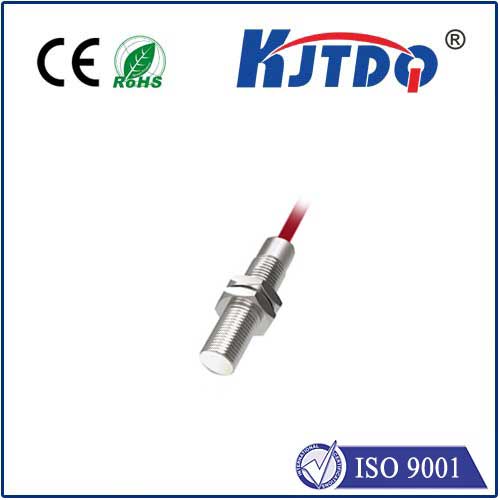
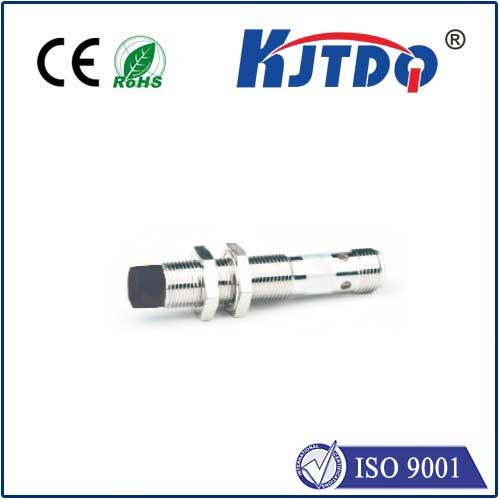
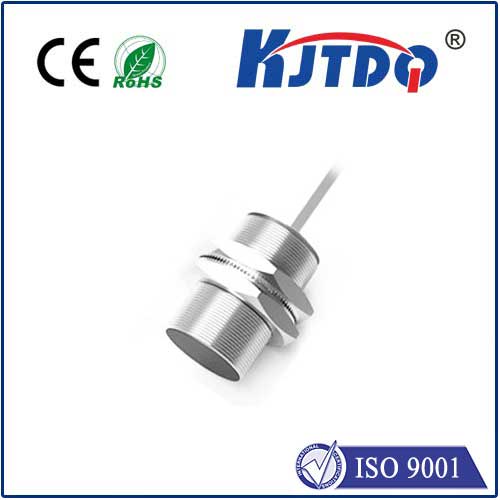
The essence of a proximity sensor is its ability to detect the presence or absence of an object within a specific range without physical contact. Korean companies have excelled in refining this core function. By leveraging cutting-edge research in materials science and semiconductor technology, they have developed sensors with unparalleled accuracy and reliability. These sensors can detect a wide variety of materials—metallic, non-metallic, liquid, or solid—with exceptional consistency, even in challenging environments with dust, moisture, or electromagnetic interference. This robustness is a key reason why Korean-made proximity sensors are integral to high-stakes manufacturing processes where a single error can be catastrophic.
One of the most visible impacts is in the consumer electronics industry, a domain where Korea is a world leader. The sleek, bezel-less displays of modern smartphones and tablets rely heavily on advanced infrared (IR) proximity sensors. These sensors, often sourced from leading Korean tech firms, enable features like automatic screen dimming during calls to save battery and prevent accidental touch inputs. The drive for thinner, more powerful devices demands sensors that are incredibly small yet highly sensitive, a challenge Korean engineers have met with remarkable success. This miniaturization expertise extends to wearable technology, home appliances, and IoT devices, creating a seamless and intuitive user experience.
Beyond consumer gadgets, the industrial applications are vast and transformative. In the automotive sector, Korean proximity sensors contribute to enhanced safety and automation. They are embedded in advanced driver-assistance systems (ADAS), enabling features like parking assistance, blind-spot detection, and collision avoidance. On the factory floor, they are the unsung heroes of automation. Robotic arms equipped with these sensors can perform delicate assembly tasks with human-like precision, navigating around obstacles and ensuring worker safety. They enable precise positioning, object counting, and quality control on high-speed production lines, significantly boosting efficiency and reducing waste in smart factories.
The innovation from Korea is also deeply intertwined with the development of the Internet of Things (IoT) and smart cities. Proximity sensors act as the fundamental touchpoints for data collection. In smart buildings, they manage energy efficiency by controlling lighting and climate systems based on occupancy. In logistics and inventory management, they track goods in warehouses with pinpoint accuracy. Public infrastructure utilizes them for traffic flow monitoring, smart parking solutions, and automated public services. The data harvested by these reliable sensors feeds into larger AI and analytics platforms, driving intelligent decision-making and automation on a city-wide scale.
What sets the Korean proximity sensor industry apart is a powerful synergy between robust government support for R&D, a culture of relentless innovation within conglomerates and agile startups, and a world-class manufacturing ecosystem. This environment fosters continuous improvement. The next frontier involves integrating sensors with AI chips for edge computing, allowing the sensor itself to make preliminary decisions, thereby reducing latency and bandwidth usage. Furthermore, research is ongoing into new sensing modalities and even more energy-efficient designs to power the next generation of autonomous systems and ubiquitous computing.
The trajectory is clear. Proximity Sensor Korea represents more than a geographic origin; it signifies a benchmark of quality, innovation, and technological integration. As industries worldwide strive for greater automation, intelligence, and connectivity, the advanced proximity sensing solutions emerging from Korea will undoubtedly remain at the forefront, enabling smarter devices, safer vehicles, more efficient factories, and more responsive urban environments. Their role as a fundamental enabler of the digital and industrial revolution continues to grow, silently but surely shaping the future of interaction between machines and the physical world.